
How menopause is affecting your nails
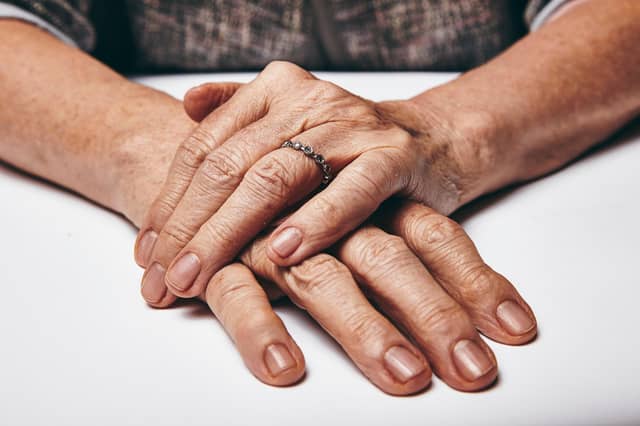

Menopause has a significant impact on your hormones and as a result, how your skin, nails and hair look and feel.
Perimenopause is the lead up to menopause, when you start noticing small changes in your body, and the process typically starts in your mid-40s and lasts from four to eight years on average.
Menopause, which has an average entry age of 51, then follows and is defined as having gone 12 months without your period.
Hot flashes may be a symptom you’re familiar with, but brittle nails, dehydration and flakiness are also common side effects of menopause.
Leading nail technicians and women’s health experts detail how menopause is affecting your nails, and what you can do to maintain a healthy manicure.
How menopause impacts the health of your nails
During perimenopause and menopause, the fluctuations in hormones – particularly the drop in oestrogen – can significantly impact nail health.
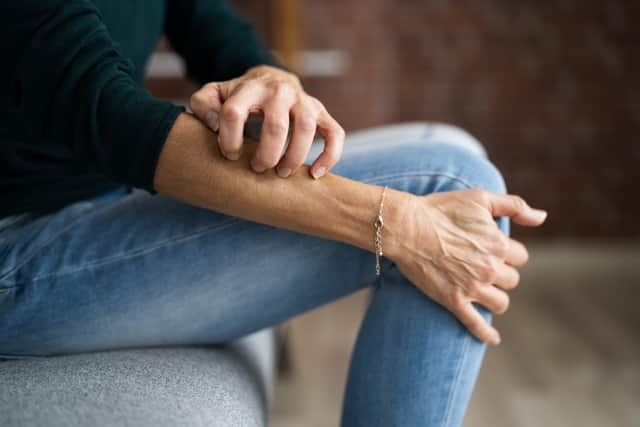
“As oestrogen levels drop, nails often lose their natural moisture and become more brittle. In perimenopause, these changes may be subtler, but as menopause sets in, the effects can become more pronounced.
“Women may notice thinning, peeling or slower nail growth as their nails struggle to retain strength and hydration,” says Campbell.
Why your nails become brittle and prone to breakage
“Brittleness of the nails is also called Onychorrhexis from the Greek derivation onycho – meaning ‘nail’, and rhexis – meaning ‘bursting’,” explains menopause advisor for A.Vogel, Eileen Durward.
This terminology makes sense when the main indication of having brittle nails is when they begin to split, crack or chip. “The yellowing of nails or nails curling at the top also suggests that they are brittle,” says Durward.
Keratin is the substance produced in the nail bed and is the protein that helps form your nails’ strong outer layer.
“When the body is healthy, nails are strong and evenly formed. If your nails are showing signs of brittleness, it is an indication of an imbalance in your keratin production,” says Durward.
How to keep your manicure strong and hydrated
Hydration is the crux for a strong and healthy manicure, which is unfortunately what declines when you enter menopause. “Start with a good-quality cuticle oil – look for products containing jojoba oil, vitamin E or almond oil,” advises Campbell.
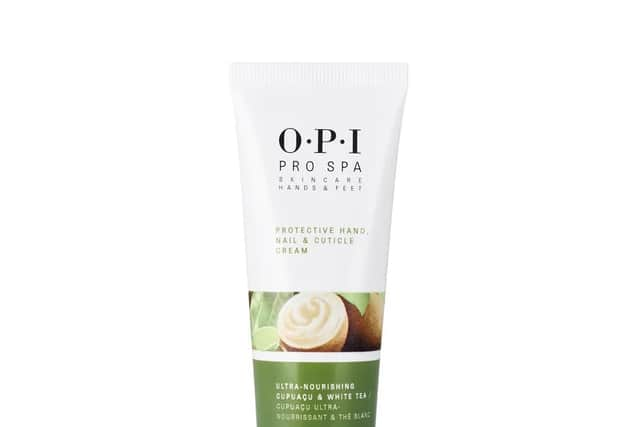
“Applying it daily helps restore moisture and strengthens the nail bed. A hydrating hand cream is also a must – the OPI ProSpa Hand & Nail Cream is a standout for locking in moisture.
Dadi’Oil Nail Treatment, £12.95, Amazon
How to adjust your nailcare routine
If you’re seeing your nails become thinner or more brittle, you should prioritise rest and gentler care when it comes to your nail routine.
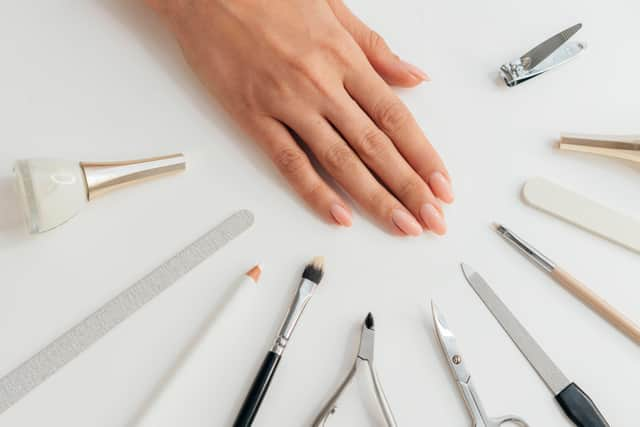
“Apply a strengthening base coat regularly, such as OPI Nail Envy or Essie Hard to Resist, to provide added support, and avoid over-trimming or aggressive cuticle pushing to prevent damage to the nail matrix.”
If you have a penchant for gel or acrylic manicures, Campbell advises taking regular breaks to allow your nail beds time to recover and breathe.
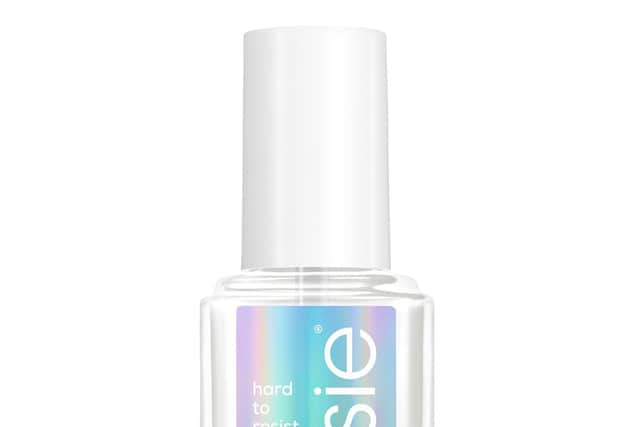
Essie Hard to Resist Advanced Nail Strengthener – Clear, £10.99, Amazon
Things to avoid
There are a few habits to adopt so you can help protect your nails from day-to-day wear. “Always wear gloves when doing household chores, especially those involving water or chemicals, as excessive exposure can dry out and weaken nails,” explains Campbell.
“Steer clear of excessive filing or buffing, as this can thin the nail plate. Also, be cautious with gel or acrylic applications, ensuring your nails have time to ‘breathe’ between treatments.”
Manicurist Green Natural Nail polish Basic Kit, £35 (was £41)