
How often should you clean and replace your mattress?


In this hectic world, is there anything better than getting into a comfy bed at the end of a long day? And with health and wellbeing right up there this month, your mattress is at the heart of the matter.
“Getting a good night’s sleep is incredibly important for your health and helps to improve your overall wellbeing, so it’s essential you look after your mattress,” says Samantha Parish, Hypnos interior design consultant.
But, how often should we really be cleaning our mattresses and replacing them? After all, showing our mattress some TLC isn’t usually high on the priority list – but there are a few easy ways to help preserve its comfort and performance and extend its life.

“Firstly, pocket sprung mattresses with natural fillings like wool are breathable, which help to keep you dry and comfortable as you sleep. But with all mattresses, it’s important to allow body moisture to dissipate,” says Parish.
To make sure you’re reducing the amount of dust and dirt, she suggests airing your mattress on a weekly basis: “Simply leave the bed linen turned back for a few hours each time and allow air to circulate around and through the mattress.”
Check the care instructions
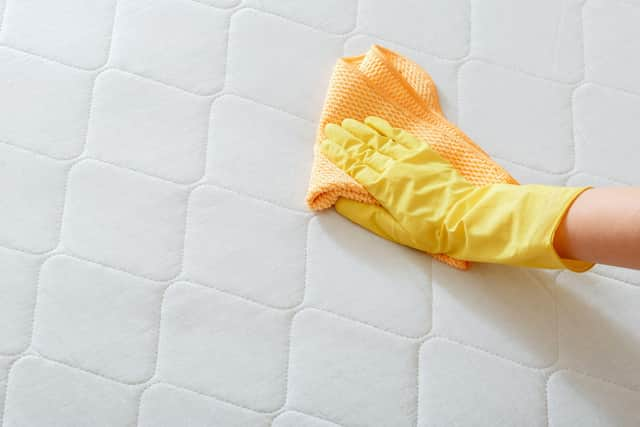
“We recommend cleaning your mattress roughly twice a year to keep it fresh,” advises Perrotta. “Spring and autumn are the ideal time to do it for lasting freshness. It will however need cleaning straight away if you have any spillages.”
How to wash your mattress
Once you’ve done your research and stripped the bed, Perrotta says to grab a bucket of soapy lukewarm water, a cloth and soft brush. “You don’t need fancy mattress cleaners and vacuums to do the job. Using soap and water is the easiest way to clean your mattress, remove tough stains, and just as efficient.

Then it’s time to deep-clean. Using your soft brush, remove any noticeable dust living on your mattress, says Perrotta. To remove mattress stains (as per the manufacturers cleaning instructions) gently dab them using your cloth and soapy warm water.
“Be conscious not to scrub stains, as this can make them permanent. Also, make sure not to get your mattress too wet, as this could compromise its strength and structure,” warns Perrotta.
Make sure the mattress is completely dry before putting the sheets and bedding back on.
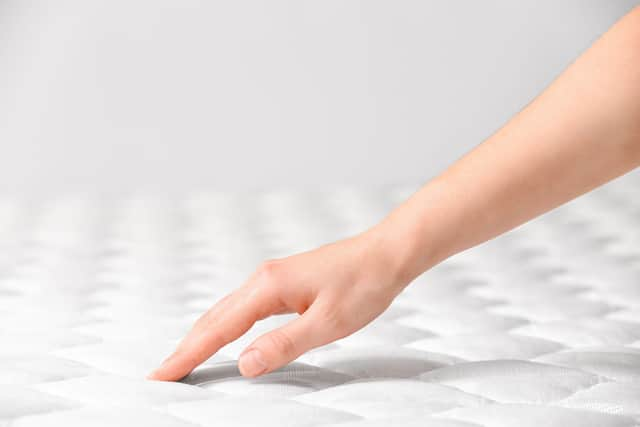
“Over time, fillings and springs can naturally start to deteriorate with wear and tear, and you may notice sagging, lumps or unevenness,” says Parish. “Our bodies also change over the years, and what suits one body shape and size may not suit another.”
Generally, the most obvious tell-tale sign your mattress may need replacing is that it feels less comfortable, notes Parish. “Or if you or your partner are experiencing back or neck problems, while or after you sleep, your mattress is no longer providing you with high quality rest.”
If you opted for a firmer mattress to help support your back, Parish says one way to tell if it’s still offering enough support is by lying on your back and seeing if somebody else can slide their hand under the small of your back.

The mattress industry and Sleep Council recommend changing your mattress every eight years, because it will generally have lost much of its original comfort and support by this point.
“Although, the time to change can vary depending on the comfort and support offered by your mattress,” says Perrotta. “Using a good quality mattress protector can also prolong mattress life, and will mean the time to change could vary.”