
How the cold snap is affecting your hair


As weather warnings are issued across the UK, some areas are expected to see temperatures plunge as low as -10C. When it comes to your beauty routine – it’s not just your skin that suffers.
Your hair has a lot to tolerate during the blustery cold spell – from brittle breakage to excess dandruff.
So, celebrity hair experts share their top tips for keeping your hair in prime health and looking great throughout the icy snap…
How low temperatures affect your hair
A dramatic drop in temperature can wreak havoc on your hair – as it’s forced to quickly acclimatise from the chilly outdoors to drying central heating.

“It plays a large part in keeping static electricity at bay, and also keeping your hair feeling generally softer to the touch and more moisturised.
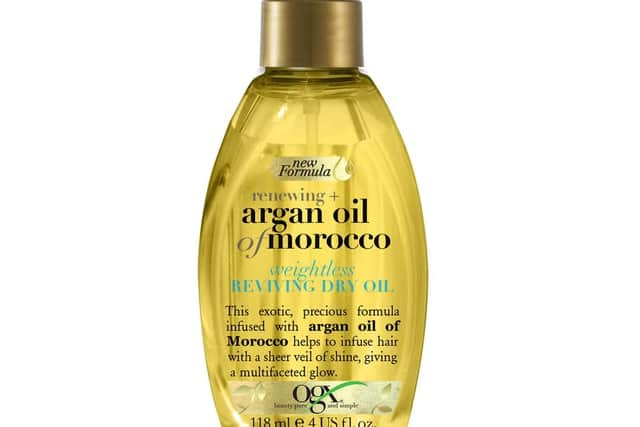
OGX Renewing+ Argan Oil of Morocco Weightless Reviving Dry Oil, £6.02 (was £8.99), Look Fantastic
The cold weather’s impact on scalp health and dandruff
“Environmental fluctuations like cold weather are external aggravators for dry and flaky scalps,” explains Philip Kingsley’s trichologist, Anabel Kingsley.
“Our scalp is home to our hair follicles, so its overall condition is highly important to healthy hair growth,” says Kingsley. “Flaking of the scalp can cause hair loss and also impact the quality of hairs we’re producing.
“A dry scalp – unlike dandruff which is an oily scalp condition – occurs when the top layer of skin (the epidermis) lacks moisture (water).”
To moisturise the scalp, Kingsley recommends rehydrating with a water-based toner to cool and soothe the scalp, and provide relief from itchiness.
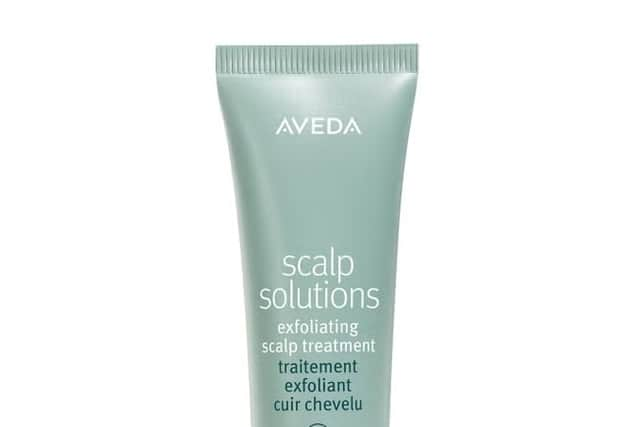
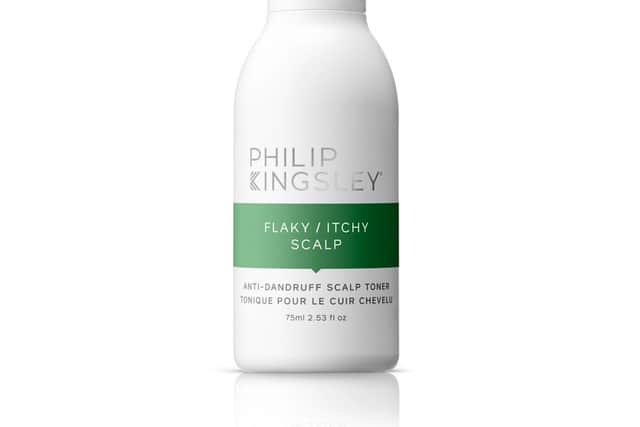
Philip Kingsley Flaky/Itchy Anti-Dandruff Scalp Toner, £12
How to prevent breakage, frizz and dullness
The cold and dry weather can increase the likelihood of your hair breaking, looking frizzy and dull.
The key to strong and healthy hair lies in protein-based products, which heal your hair and improve it’s stability, says celebrity hairdresser Jon Hala, the brains behind Keira Knightley’s luscious locks in Black Doves.
“I’d recommend using a moisturising masque to keep all the goodness in your hair and help heal the results of the cold, dry weather snaps.
“You can also consider looking at your supplements as this will help your hair too, in particular Biotin.
“To prevent frizz, opt for light weightless serums and leave-in conditioners to base and coat the hair after the wash process. This will help smooth cuticles and add moisture and shine,” explains Hala.
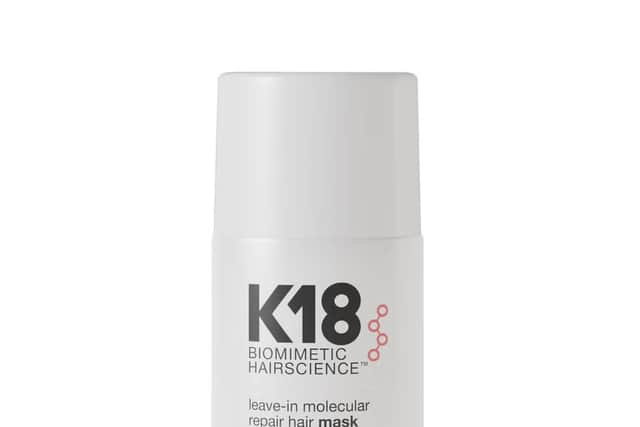
K18 Biomimetic Hairscience Leave-in Molecular Repair Hair Mask, £30, Cult Beauty
Should you adjust your washing and styling routine?
You may find yourself wanting to lessen the frequency of hair wash days so you don’t have to deal with cold, damp hair.
“What we always recommend, especially for clients who wash their hair in the mornings and then go out into out of the house in the cold, is to instead shampoo their hair in the evening so they’re not going outside with any level of wet hair – because that’s when it becomes really fragile,” explains lead hairdresser for the BAFTAs and former London Hairdresser of the Year, Philipp Haug.
“Even when you think your hair is dry there’s still a lot of moisture in it, which is very sensitive to the cold,” says Haug.
“Reduce using heated tools when the weather is cold as hair is already more fragile, and if you do use them, use them on the lowest possible heat.”
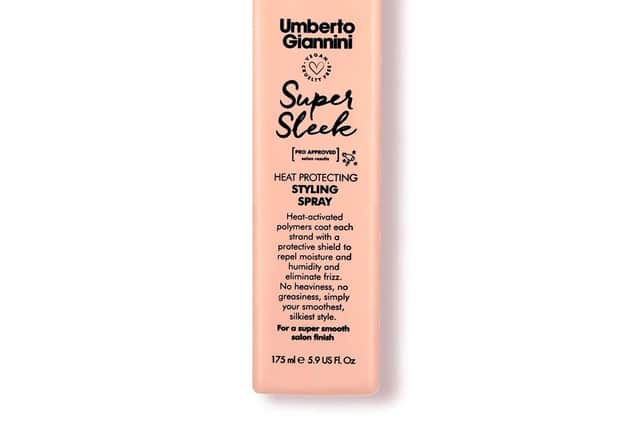
“Hold your blow-dryer at least six inches away from your hair, use a vented brush to help with heat dissipation, and apply a good heat protective spray or serum beforehand,” says Kingsley.
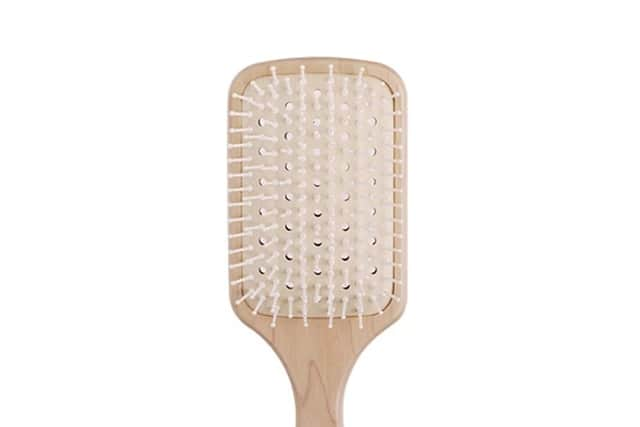
Philip Kingsley Vented Paddle Brush, £27
What to avoid at all costs
While it may be tempting to warm up quickly in a hot shower – this can do more damage than good.
“Don’t wash the hair with hot, hot water,” says RUSH Hair‘s editorial director Tina Farey. “Instead opt for lukewarm. Hot water has the same effects as hot air on the hair, opt for lukewarm which is much kinder to the hair.”

“This can cause adverse scalp issues, such as dandruff. Every hair follicle on your scalp has an oil gland attached to it, the oils help to also keep your scalp supple, and your oils glands are continually producing sebum therefore you do not need to compensate for this,” she explains.
“However, if not cleansed frequently, the sebum on your scalp can harbour bacteria, dead skin cells and sweat which can cause an imbalance in the scalp’s microbiome and an overgrowth of Malassezia yeast – the root cause of dandruff.”