
How the world changed during the Queen’s lifetime

The world changed in monumental ways during the Queen’s lifetime.
She served as a symbol of stability as her country evolved through the 20th century, past the millennium and into the 21st century.
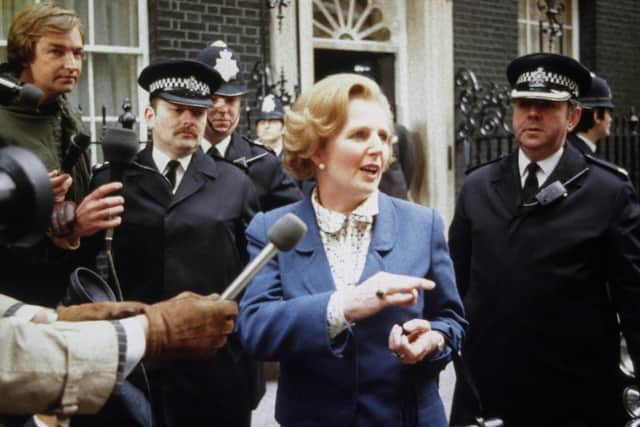
Penicillin was discovered, man landed on the moon, Britain elected its first woman prime minister and the internet was invented.
The Queen was acutely aware that she and the country were perpetually navigating a sea of change, telling Parliament in her Golden Jubilee year of the “transformation of the international landscape” and in “our work and in the way we live”.
“Change has become a constant; managing it has become an expanding discipline,” she said, adding: “The way we embrace it defines our future.”
The Prince of Wales said on the Queen’s 80th birthday that the “world in which my mother grew up and, indeed, the world in which she first became Queen, has changed beyond all recognition”.
Princess Elizabeth was born in 1926 just two weeks before the start of the General Strike and eight years after the end of the First World War.
The population of the UK was 45 million, unemployment was at 12.5%, and a pint of milk cost just 1p in decimalised money.
Now the population stands at more than 67 million, the unemployment rate is around 3.7% and a pint of milk costs an average of 59p.
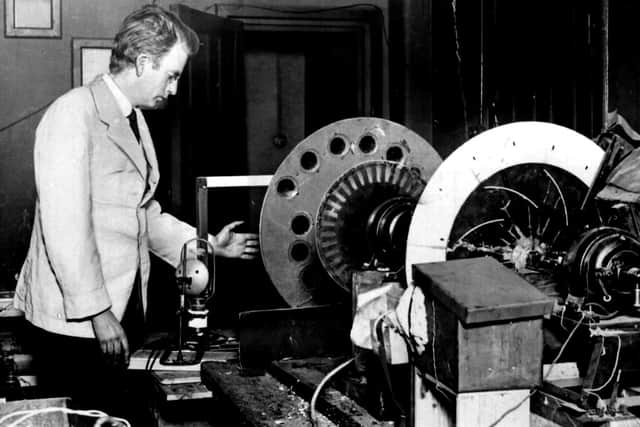
Movies were still silent then, but not for long, with the first feature length “talkie” film being released in 1927.
During the 1950s and the 1960s, cars, washing machines, fridges, telephones and holidays all became increasingly affordable elements of everyday life.

The world wide web, mobile phones, social media, virtual reality headsets and AI (artificial intelligence) are now the norm.
The trolley bus arrived in London in 1931, Britain’s motorway network was being planned by 1955, supersonic commercial passenger flights became available on Concorde in the 1970s, and the undersea rail route, the Channel Tunnel, opened in 1994, linking England to France.
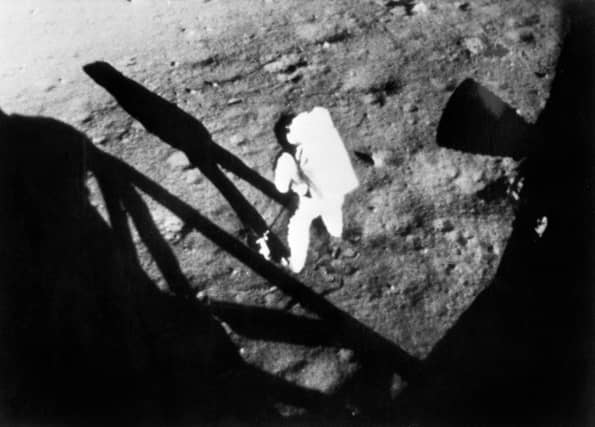
Then the US secured the moon landings in 1969, with Neil Armstrong the first person to set foot on its surface.
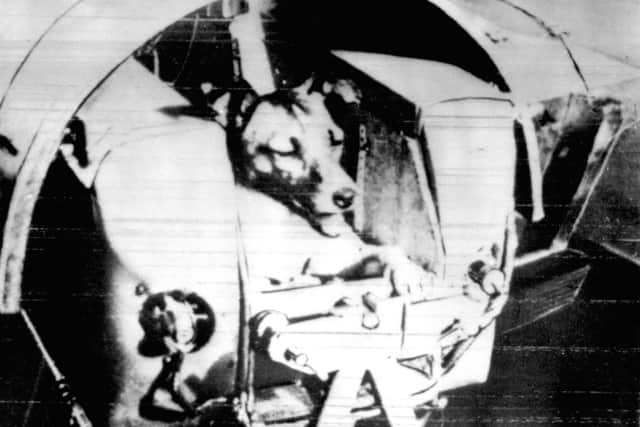
In the 21st century, space tourists have orbited the earth.
Currency was decimalised in 1971 with the UK dropping the old format of 12 pennies (12d) to a shilling (1s) and 20 shillings to a pound.

Societal changes included welfare state legislation in 1945, and the birth of the NHS in 1948.
Abortion was legalised in 1967.
The death penalty for murder was permanently abolished in Britain in 1969.
Until 1928, only women in the UK over the age of 30 who occupied a house or were married to someone who did were able to vote, whereas all men over 21 had the right. It was changed that year to all women over 21.
The voting age was cut from 21 to 18 in 1970.
The Sex Discrimination and Equal Pay Acts came into force in 1975.
Homosexuality was legalised in the UK in 1967, but the age of consent for gay men was only reduced from 21 to 18 in 1994, and then to 16 in England and Wales in 2001.
Civil partnerships gave same-sex couples legal rights in 2005.
The first same-sex weddings took place in England and Wales in 2014 after gay marriage became legal in both countries.
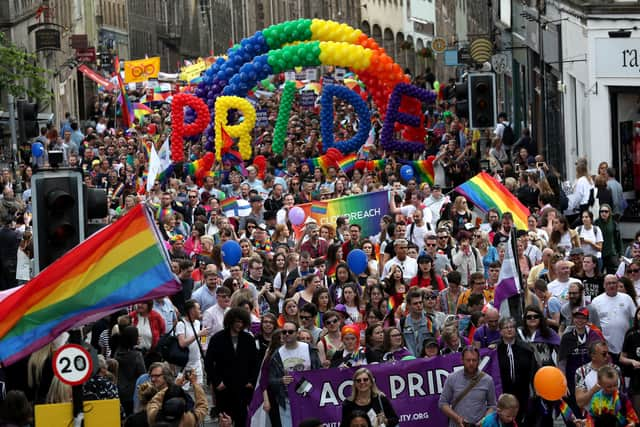
Gender-neutral passports have been rolled out in Australia, Canada and Germany and several other countries.
The UK has become a more multicultural society, through the Windrush generation, large scale migration in the 1950s, settlement of Commonwealth citizens, asylum seekers, and when the EU expanded to include eight central and eastern European countries in 2004, including Poland and Lithuania.
In 1945, the number of non-white residents was in the low thousands.
An estimated 14% of the UK’s population is now from ethnic minority backgrounds, according to ONS figures in 2021.
In 2020, opposition to racism and police brutality saw people around the world unite in support of the Black Lives Matter movement, which highlights the continued racism, discrimination and inequality experienced by black people.

In 2020, amid the global coronavirus pandemic, the Covid-19 jab was the fastest vaccine ever developed.
Even the Queen, with her wealth of life experience, acknowledged that the pandemic, with the nation in lockdown and the death rate climbing, was unprecedented.
“While we have faced challenges before, this one is different,” she said.
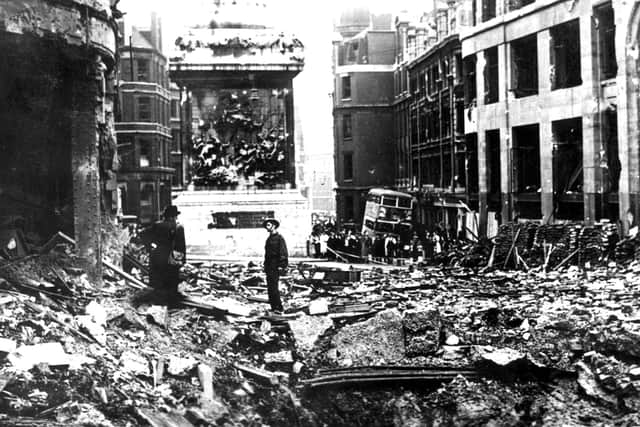
The Cuban Missile Crisis of 1962 between the US and the Soviet Union brought the two superpowers to the brink of nuclear war.
The Vietnam War, the Falklands war, in which the Queen’s son, the Duke of York, served, the Balkans war, two Gulf wars, and the war in Afghanistan sparked by the September 11 attacks, were just some of the conflicts during her reign.
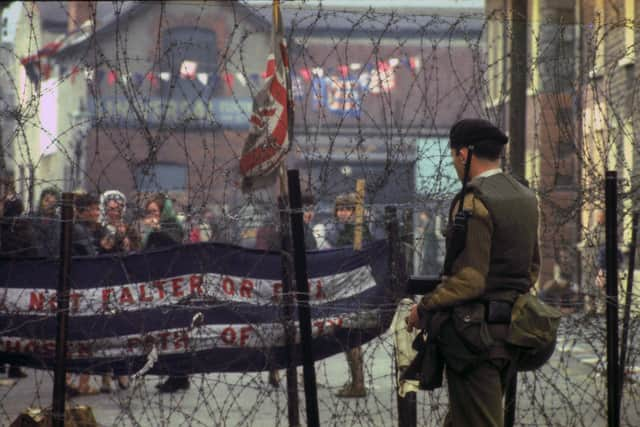
The Berlin Wall, dividing East and West Germany, was erected in 1961, but eventually fell in 1989 ahead of the reunification of Germany as the Cold War began to thaw across eastern Europe.
Amid a shifting political landscape, the Queen’s reign encompassed more than a dozen prime ministers, with a succession of British governments of different political persuasions.

The UK joined the EU and left the EU.
Entry into the European Economic Community, as it was then known, happened in 1973, but in 2016 the UK voted to leave, and the deeply divisive Brexit finally happened on January 31 2020.
Climate change has become a key concern, with the fight to save the planet at a crucial stage, and there has become an increasing awareness of mental health issues.
Trends in popular music culture during the Queen’s lifetime ranged from jazz, blues, big band, rock ‘n’ roll, R&B, Beatlemania, mods and rockers, to disco, heavy metal, punk, electro, techno, house, indie, grunge, rap and hip hop.

The royal family experienced its own transformations, particularly with the arrival of the Princess of Wales in the 1980s, who brought with her a more modern, compassionate expression of royalty.
The ramifications of Diana’s death in a car crash in 1997 are still being felt today.
US actress Meghan Markle become the first mixed-race woman to marry a senior royal in centuries, when she wed the Duke of Sussex in 2018.
But the couple’s royal role was not to last, and they stepped down as working members of the family less than two years later, after struggling with their royal roles, and went on to accuse the royal family of racism.
The Queen experienced great personal loss when her lifelong companion, the Duke of Edinburgh, to whom she was married for 73 years, died in 2021 at the age of 99.