
How to protect your garden from heavy rain
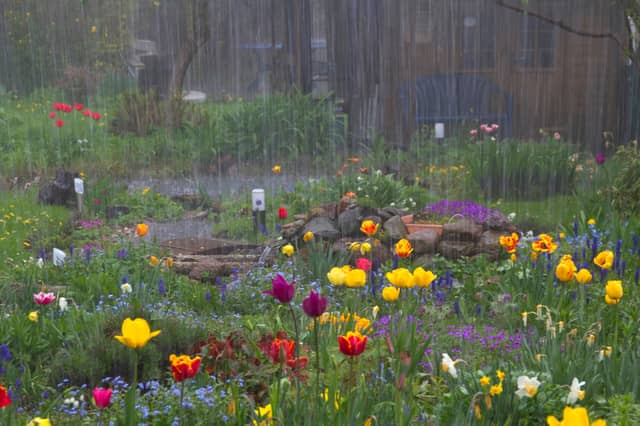

When you spend a lot of time perfecting your garden over the summer, it can be extremely deflating to see this hard work unravel during a spate of wet weather.
The Met Office has issued yellow weather warnings for Thursday and Friday, so keen gardeners will need to prepare for heavy rainfall.
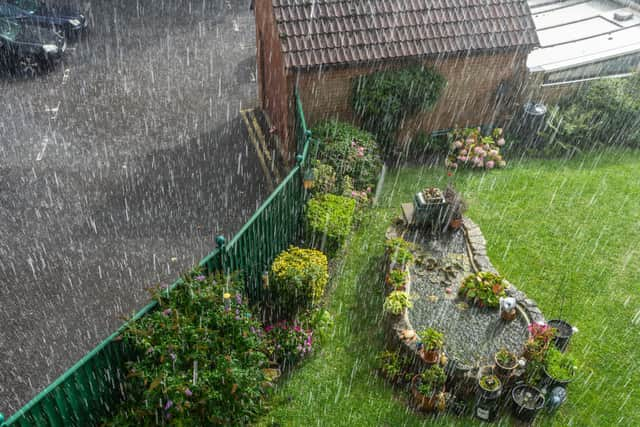
What impact does heavy rain have on our gardens?
Sudden shifts from sunshine to heavy rain can place plants under stress, as it can affect their ability to regulate water uptake.
“During dry periods, plants reduce their water absorption to conserve moisture, but a sudden deluge can lead to waterlogged roots, preventing them from taking in oxygen,” explains Oliver Hill, founder of the gardening site Garden List. “This can slow growth, cause leaves to yellow, and increase the risk of diseases such as root rot.”

“Plants with delicate foliage and blooms, such as roses, peonies, and some herbaceous perennials, are particularly vulnerable,” says Hill. “Heavy rain can waterlog flowers, causing stems to bend or break.
“Similarly, plants in poorly drained soil, like succulents, are highly susceptible to root damage as they aren’t adapted to waterlogged conditions,” adds Hill.
Large amounts of rain can also have a negative impact on the soil.
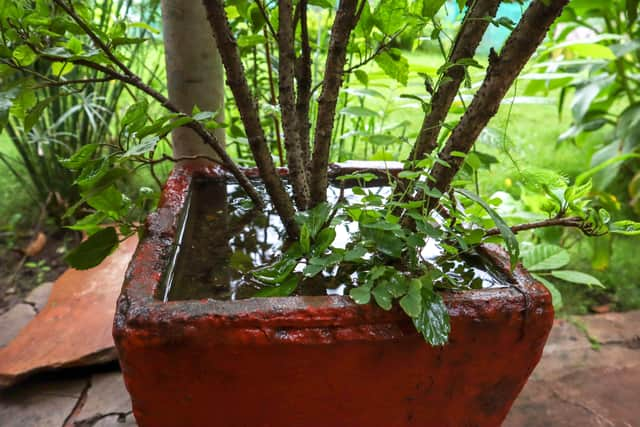
So, what can we do to stop this from happening?
Tips to prepare for the rain
Before heavy rainfall hits, there are a few things you can do to reduce the potential damage to your garden.
“Check drainage,” advises Hill. “Ensure gutters, drains, and water run-off areas are clear.”
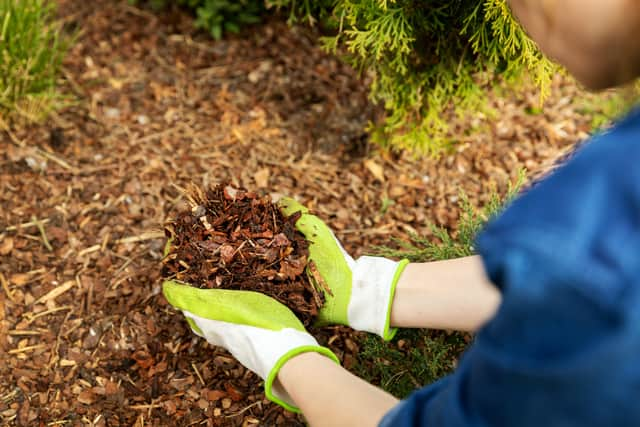
In addition, make sure you give your delicate plants some extra care and support.
“Staking or providing support for tall or top-heavy plants will help prevent them from collapsing,” explains Hill.
He also recommends moving all your pots and containers into a sheltered space.
“Place them in sheltered areas to avoid them becoming waterlogged or damaged by the force of the rain,” suggests Hill.
What should we do during the downpours?
“During heavy rain, it’s important to monitor your garden for pooling water or damaged plants,” says Hill. “If safe, you can divert excess water away from areas prone to flooding using channels or temporary barriers.”
He also urges gardeners to avoid walking on soaked soil, as this can compact it further.
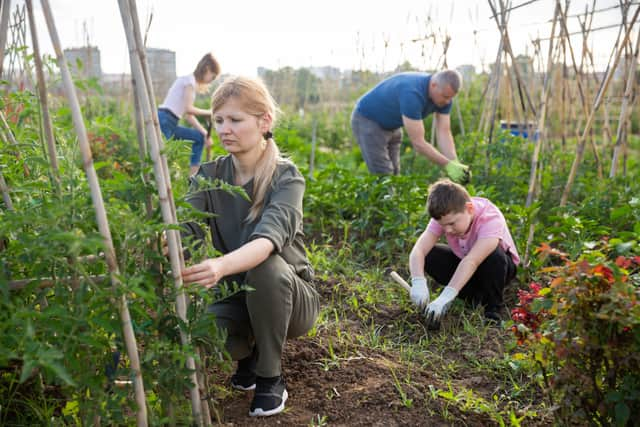
Once the rain has passed, Hill advises gardeners to first of all check for and repair any damage to plants and supports and to remove any debris or silt that may have accumulated.
He also recommends applying a light feed to replace any nutrients that may have been washed away.