
How to transition your winter wardrobe into spring, according to the experts


With temperamental weather, it can be tough to know what outfit is best to wear during springtime. Sometimes it’s mild and the sun can fool you into thinking summer has arrived early. Other times, the rain is torrential and it feels like we’re still in the depths of winter.
Luckily, fashion experts are on hand to offer their advice on must-haves – and must-nots – for transitioning your winter wardrobe into spring.
So, if you’re looking to refresh your style in time for the new season, here are some simple ways to make the switch…
Buy staple items
Sonny Grant-O’Sullivan, master tailor and founder of Grant & O’Sullivan, advises that investing in staple pieces that offer flexibility is “paramount” during spring.
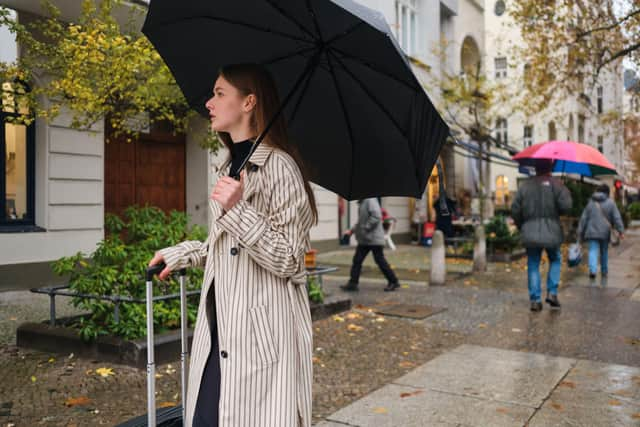
A “capsule” wardrobe, which is a collection of clothing that can mix and match to make several different outfits, is the way to go, according to Jane Haigh, the head of design at Freemans, who says that a key staple is a great-fitting pair of jeans.
“To avoid over-consumption of trends, having a classic spring capsule wardrobe is definitely your best bet,” adds Tanya Mulesa, co-founder of CICON. “Invest in the staples, like good denim, quality basics and versatile outerwear, and then when it comes to the more one-off, bold pieces in my wardrobe, I always go for rental.
“We offer rentals via Cercle on the CICON app, and they have an amazing curated collection of special pieces to add to your capsule wardrobe.”

Stack up your layers
Layers are often a crucial element when transitioning a wardrobe, says Smith, but be careful not to wear layers that feel too heavy or chunky. Lighter jumpers and cardigans can be paired with maxi or midi skirts for an outfit combination.
“You can also layer with lightweight items, as these can be removed when the temperature gradually increases towards the afternoon. Additionally, instead of wearing a heavy coat, layer a short-sleeved top under a light cardigan, and then wear a lighter coat on top of this,” says Smith.
Mulesa agrees that a trench coat is an absolute must-have for the temperamental British weather. “They come back into style every season and are light enough to chuck over anything and keep you that bit warmer – I always pair mine with denim and ballet flats,” she says.
Opt for lighter footwear
As the temperatures begin to rise, it’s time to put away your winter boots to make way for lighter options.
Footwear plays a crucial role in the winter-to-spring transition, according to Grant-O’Sullivan.
“Switching from heavy boots to lighter options like loafers, ballet flats, or even stylish sneakers can instantly update an outfit to feel more spring-appropriate,” he says.
There is certain footwear from your winter wardrobe that will work for spring too, says Smith. Ankle boots are a great addition if you don’t like wearing trainers, as they will work well for spring outfits.

Neutrals are your best friend
Neutral colour palettes work well in a transitioning wardrobe, because they usually look great with a variety of other colours so you can mix and match pieces, according to Smith.
She advises incorporating lighter or more pastel colours into your outfits, such as pinks, lilacs or light blues. It can be as simple as pairing your jumpers with lighter wash jeans, swapping out dark boots for white trainers, or reaching for your winter pieces that are brighter in colour.
“I always reach for the same trusty beige and grey pieces every year, as they are perfect for layering with brighter colours and go with everything,” Mulesa adds.
Steer clear of wool
As the temperature gradually warms, it becomes more important to consider the practical aspects of fabric choices.
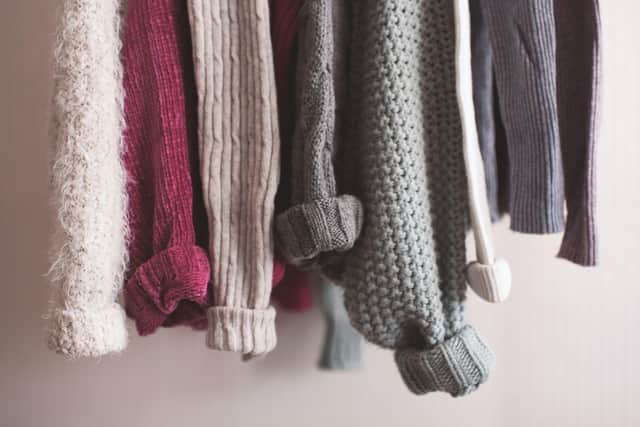
This is something Smith agrees with – changing heavier fabrics to something lighter is essential when transitioning your wardrobe.
“In winter, we often tend to wear heavier items, such as those made from wool. When the weather starts to feel as though it is getting warmer, these should be changed to fabrics that are lighter and more breathable. It is best to opt for items that will keep you warm but can also be removed if you get too hot,” she says.