
Hungarian PM Viktor Orban concedes defeat in European electoral earthquake
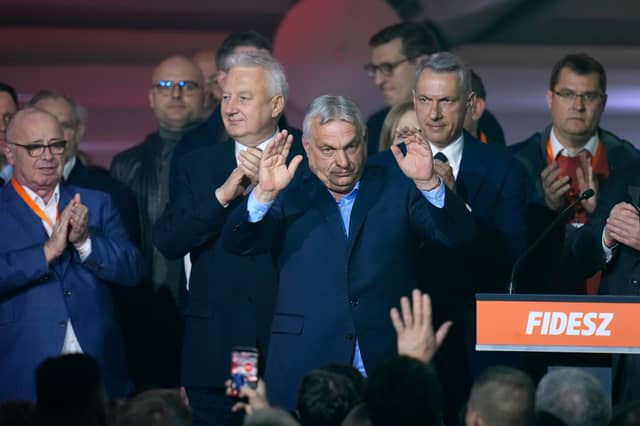

Hungarian voters ousted long-serving Prime Minister Viktor Orban on Sunday after 16 years in power.
The result is seen as a rejection of the authoritarian policies and global right-wing movement that Mr Orban embodied, in favour of a pro-European challenger in a bombshell election result with global repercussions.
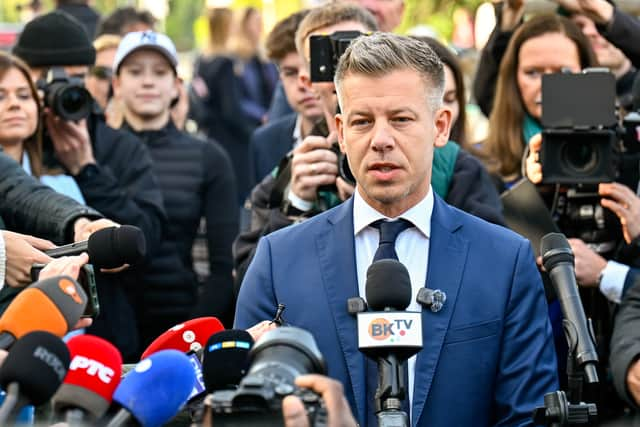
European leaders quickly congratulated Mr Magyar.
It is not yet clear whether Mr Magyar’s Tisza party will have the two-thirds majority in parliament to govern without a coalition. With 77% of the vote counted, it had more than 53% support to 38% for Mr Orban’s governing Fidesz party.
It is a stunning blow for Mr Orban, a close ally of both US President Donald Trump and Russian President Vladimir Putin.
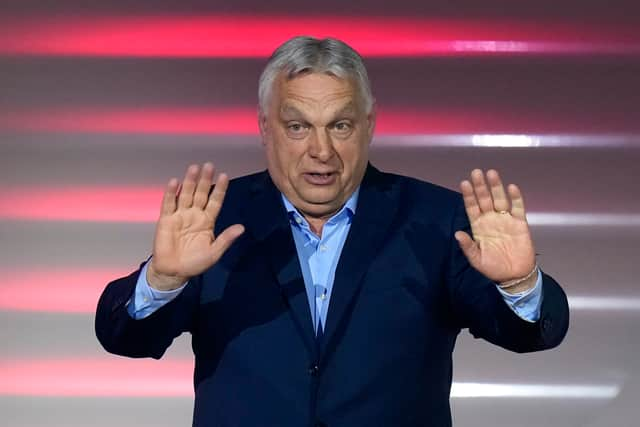
“I congratulated the victorious party,” Mr Orban told followers.
“We are going to serve the Hungarian nation and our homeland from opposition.”
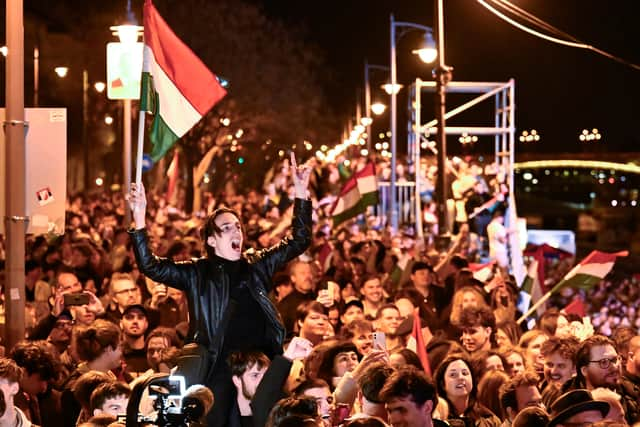
Meanwhile, Mr Magyar posted on X, “Thank you, Hungary!” as thousands of his supporters thronged the banks of the Danube in Budapest, chanting “We got it! We did it!”
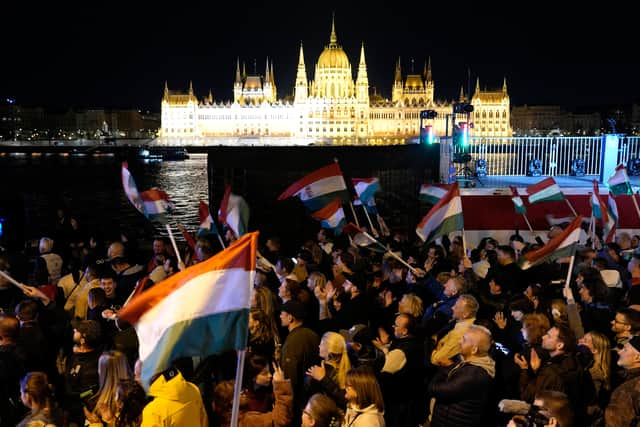
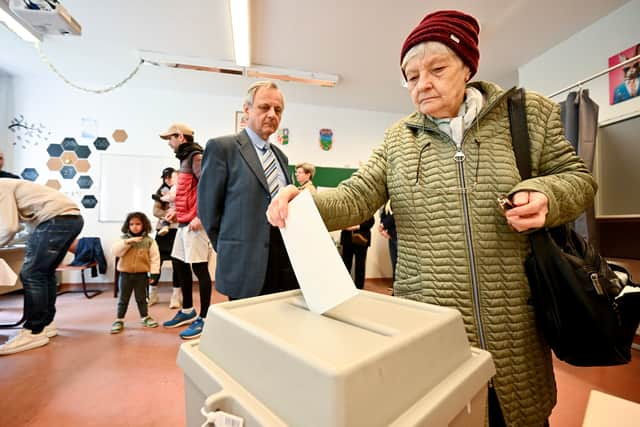
Turnout by 6.30pm was more than 77%, according to the National Election Office, a record number in any election in Hungary’s post-Communist history.
The parties of both Mr Orban and Mr Magyar said they had received reports of electoral violations, suggesting some results could be disputed by both sides.
“I’m asking our supporters and all Hungarians: Let’s stay peaceful, cheerful, and if the results confirm our expectations, let’s throw a big, Hungarian carnival,” Mr Magyar said.
Mark Radnai, Tisza’s vice president, also called for reconciliation after a tense campaign. “We can’t be each other’s enemies. Reach out, hug your neighbours, your relatives. It’s the day of reunification,” he said.
Recent revelations have shown a top member of Mr Orban’s government frequently shared the contents of EU discussions with Moscow, raising accusations that Hungary was acting on Russia’s behalf within the bloc.
Mr Orban occupied an outsized role in right-wing populist politics worldwide.
Members of Mr Trump’s “Make America Great Again” movement are among those who see Mr Orban’s government and his Fidesz political party as shining examples of conservative, anti-globalist politics in action, while he is reviled by advocates of liberal democracy and the rule of law.
During his 16 years as prime minister, Mr Orban has launched harsh crackdowns on minority rights and media freedoms, subverted many of Hungary’s institutions and been accused of siphoning large sums of money into the coffers of his allied business elite, an allegation he denies.
He also has heavily strained Hungary’s relationship with the EU. Although Hungary is one of the smaller EU countries, with a population of 9.5 million, Mr Orban has repeatedly used his veto to block decisions that require unanimity. Most recently, he blocked a 90-billion euro EU loan to Ukraine, prompting his partners to accuse him of hijacking the critical aid.
Meanwhile, Mr Magyar had risen rapidly to become Mr Orban’s most serious challenger.
The 45-year-old leader of the centre-right Tisza party campaigned on issues affecting ordinary voters including Hungary’s faltering public health care and transportation sectors and what he described as rampant government corruption.