
Hungry sea otters help save California’s marshlands from erosion
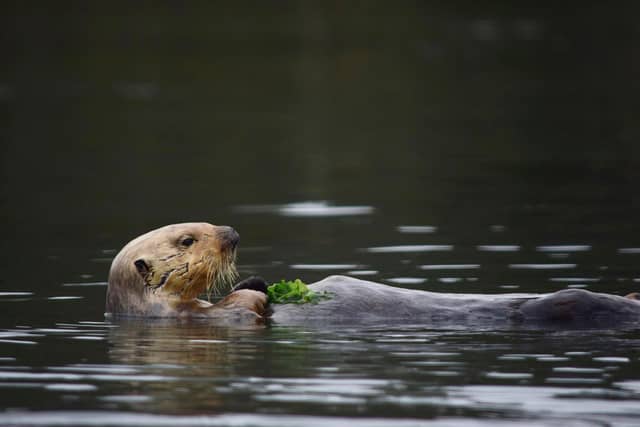

The return of sea otters and their voracious appetites has helped rescue a section of California marshland, a new study shows.
Sea otters eat constantly and one of their favourite snacks is the striped shore crab.
These crabs dig burrows and nibble away roots of the marsh grass pickleweed that holds earth in place.

Researchers found that the return of the crab-eating sea otters to a tidal estuary near Monterey, California, helped curb erosion.
“They don’t completely reverse erosion, but slow it down to natural levels,” said Mr Hughes.
For many years there were no sea otters in Elkhorn Slough.
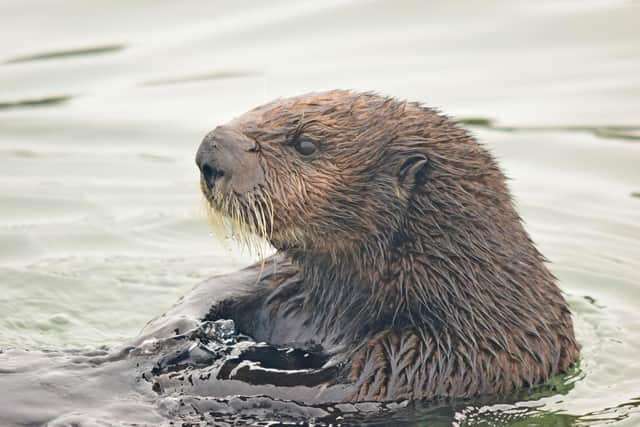
Hunting bans and habitat restoration helped sea otters recover some of their former range.
The first ones were spotted in Elkhorn Slough in 1984. The Monterey Bay Aquarium’s programme for raising and releasing orphaned sea otters also boosted the estuary’s population.
For the new study, researchers analysed historic erosion rates dating back to the 1930s to assess the impact of the sea otters’ return.
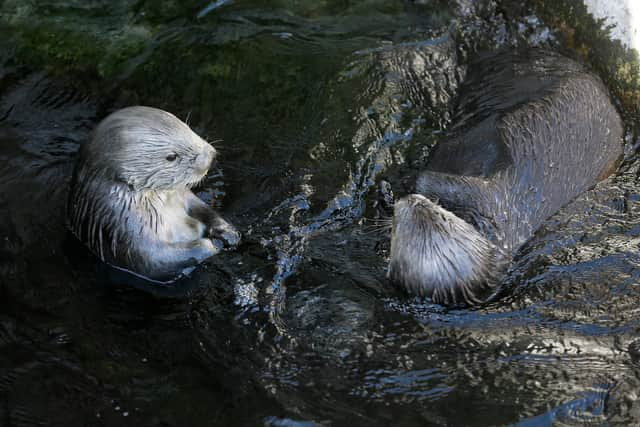
Past studies about the return of top predators to various habitats, most famously, the reintroduction of grey wolves to Yellowstone National Park, show how such species maintain ecosystem stability.
Wolves curbed the number of elk and moose that ate saplings and slowed riverbank erosion.
Other research has shown that sea otters help kelp forests regrow by controlling the number of sea urchins that munch kelp.
Sea otters “are amazing finders and eaters”, said Brian Silliman, a Duke University coastal ecologist and co-author of the latest study.