
‘I had unnecessary appendix removal while fighting for endometriosis diagnosis but now I have sons – it was meant to be’


A woman who faced years of “medical gaslighting” and said she had her appendix unnecessarily removed while fighting for an endometriosis diagnosis has since given birth to two boys after being given a 5% chance of conceiving naturally.
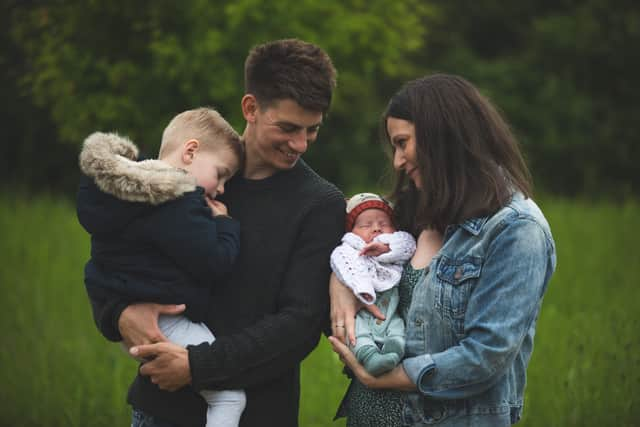
Sophie Spindler, 33, who lives in Bishop’s Cleeve, Gloucestershire, with her husband Daniel, 34, a forklift driver, was diagnosed with polycystic ovary syndrome (PCOS) – a condition which affects how a woman’s ovaries work – in 2006, aged 15, after collapsing in pain.
In her search for “answers”, she said doctors suggested her symptoms could be related to kidney stones, phantom pain and even appendicitis – inflammation of the appendix – and she had surgery to remove her appendix while studying at university.
After countless GP and hospital visits, she underwent a laparoscopy – a surgical procedure used to examine the organs in the abdomen – and in 2015, aged 24, she was diagnosed with endometriosis, where tissue similar to the lining of the uterus grows outside the uterus.
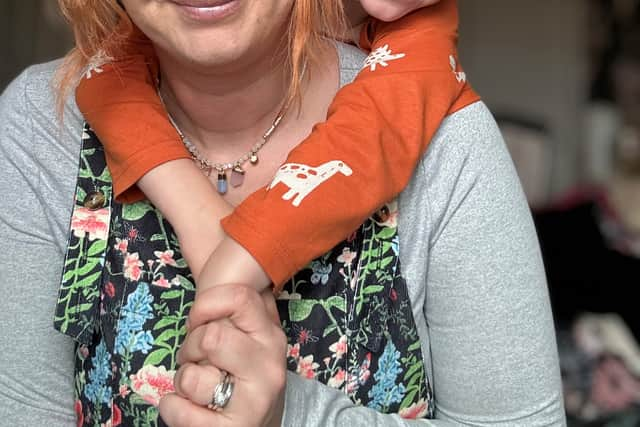
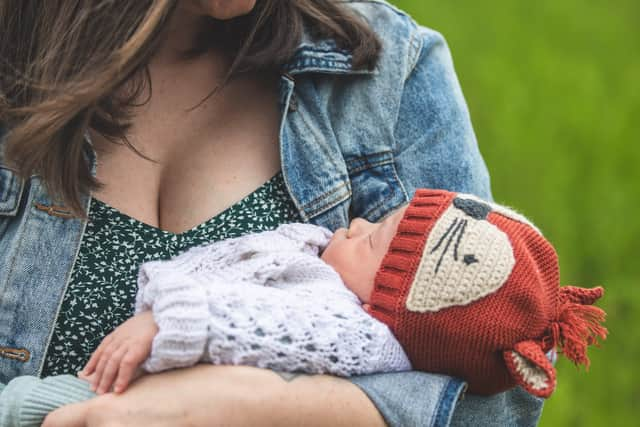
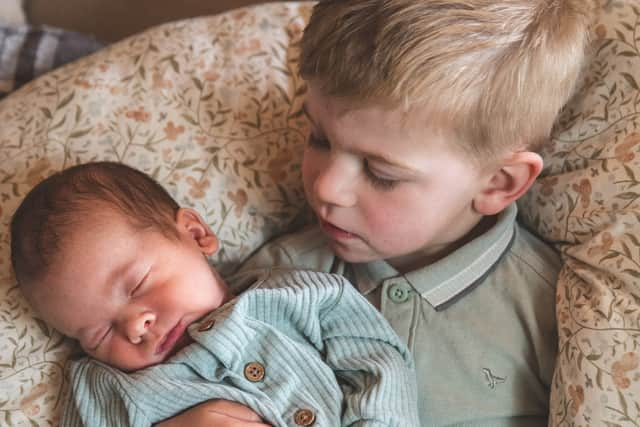
The couple have since welcomed two boys into the world – Luca, three, and Oakley, four months – with IVF treatments, and Sophie said she wants her children to grow up believing women are “fierce and brave” and have “strong voices”.
Sophie told PA Real Life: “One of the themes in my story is medical gaslighting, not being taken seriously.
“As women, we’re told we’re hysterical, we’re told it can’t be that bad… and that theme, unfortunately, has carried me through my life – that women’s health doesn’t matter.
“I honestly can say that I haven’t felt listened to or understood until the very moment I embarked on IVF with TFP Fertility – the staff were amazing.

On the first day that Sophie started her periods, aged 14, she said she was vomiting, she could barely walk, and she often found herself lying on the floor in pain – but she “thought that was normal”.
She started taking the contraceptive pill to manage her heavy periods and she tried to carry on with her life but every month she would experience “severe” pain – and one day, she “collapsed”.
“I went to hospital and they did scans and ultrasounds, and there was a lot of excess fluid around my ovaries,” Sophie said.

Sophie said the symptoms of her PCOS often left her bedbound, meaning she missed school, and she was left feeling “embarrassed and confused” due to the lack of information and advice available.
There is no cure for PCOS but the symptoms can be managed – yet Sophie said she felt frustrated and “helpless” as “nobody spoke about it”.
Describing the pain she experienced, she said: “There’s this dull, throbbing ache, all through your back, all through your legs, which I thought everybody had.
Although her symptoms were “absolutely debilitating”, she said she “masked” her pain to avoid being labelled “hysterical”.
However, as her symptoms worsened over the following years, she “knew something wasn’t right” and she was determined to get answers.
“When I really started listening to my body and my intuition and my own voice… I knew that, actually, I’m not going to take no for an answer,” she said.
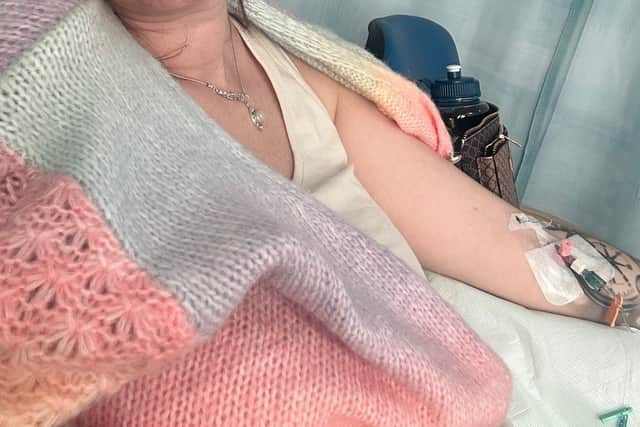
According to National Institutes of Health, endometriosis in the right lower quadrant can mimic acute appendicitis – but Sophie said she later learned that her appendix was removed unnecessarily.
“It’s been almost 20 years of being told, ‘It’s this. No, it’s not. It’s this. No, it’s not’,” she said.
“I’ve got scars that I didn’t need to have.”
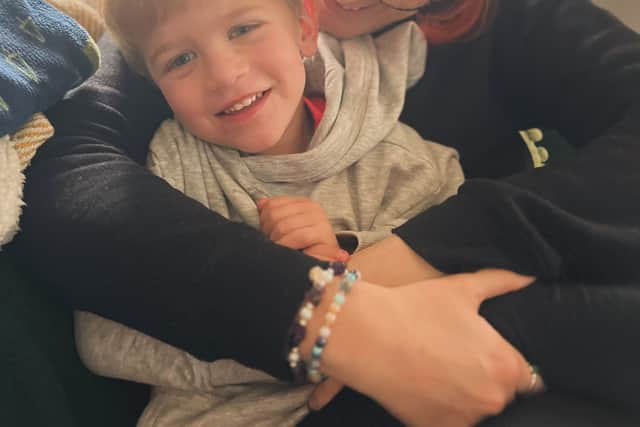
Sophie then met her husband Daniel while on holiday in Greece in 2016 and, soon after, they started trying for a baby.
After 18 months without success, Sophie’s GP told the couple they were eligible for NHS funding for two rounds of IVF, and they were referred to TFP Oxford Fertility Clinic – part of TFP Fertility, one of the largest providers of IVF in the UK.
After several tests, Sophie was told the endometriosis had returned, her ovaries were polycystic and her tubes were damaged, so their chances of conceiving naturally were around 5%.
“You feel like your body is just continuing to fail you and not allowing you to do the thing that we’re told we’re put on this Earth for,” Sophie explained.
Sophie struggled to remain hopeful, but to her amazement, after her first NHS-funded IVF cycle, she fell pregnant and the couple welcomed their first son Luca on November 5 2020.
She remembers staring into Luca’s eyes for the first time and thinking: “We’ve done it, you’re real, and this is the start of our whole life together”.
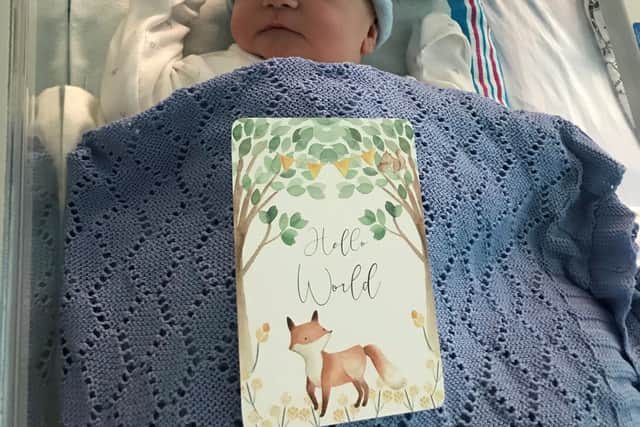
Despite feeling “resentful” of her prior medical experiences and having hyperemesis – vomiting during pregnancy – she said “these two boys were meant to come to me this way” and she has “soaked up every moment” with them.
She now wants to be the voice for those who do not feel comfortable speaking out and she hopes to one day “create spaces for women to empower them”, adding: “Women are superheroes.”
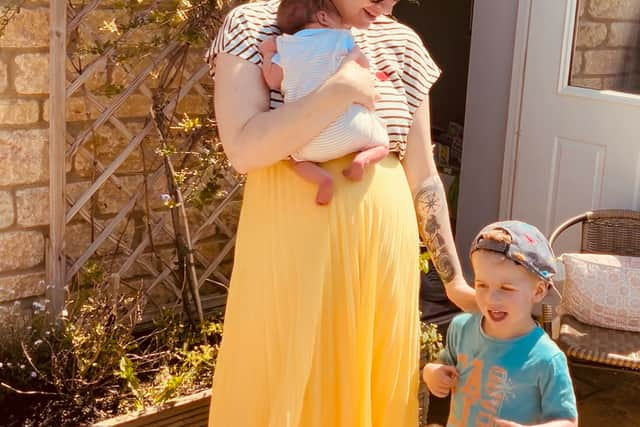
“If (my story) can even help one person to feel like they’re not alone and to be empowered to go and be their own advocate, then I’ll scream it from the rooftops, I don’t care,” she said.
“I don’t care who I make uncomfortable because there are thousands of women everywhere that are uncomfortable every single day of their life, and that doesn’t matter? Well, it does to me.”
A spokesperson for NHS England said: “Endometriosis and all types of pelvic pain can be very debilitating, and it is important that women are taken seriously to get early diagnosis and offered the most effective treatments.
“We have introduced dedicated pelvic health clinics to provide support for endometriosis, and are working with local NHS organisations to develop women’s health hubs to provide better menstrual health services.
“We are committed to helping women affected by endometriosis and, while there have been some improvements, we know there is a lot more to do.”
To find out more about TFP Oxford Fertility, visit: tfp-fertility.com/en-gb/tfp-oxford-fertility.