
‘I have a 1 in 6 million condition and walking feels like stepping on hot coals – now I’m running the London Marathon’


A young sportsman whose health “disappeared overnight” after he was diagnosed with a “one in six million” condition which makes him feel like he is walking on “hot coals” due to nerve damage in his feet is preparing to tackle the London Marathon for the charity that “saved (his) life”.
On New Year’s Eve in 2015, Dominic Moore, a 28-year-old who lives in Huddersfield, West Yorkshire, was out partying and “enjoying life” – but just three days later, he noticed bruises all over his body and blood blisters in his mouth.
Given his mother Sarah, 50, is a nurse, this raised alarm bells and they booked a GP appointment – but Dominic, who works as a roster executive at the airline Jet2, was sent home with medication for depression.
Dominic visited another GP days later and, after numerous tests, the then 20-year-old was diagnosed with aplastic anaemia – a condition that means your bone marrow cannot make enough new blood cells – at Huddersfield Royal Infirmary in January 2016.
Doctors soon told him that without treatment he had days to live.
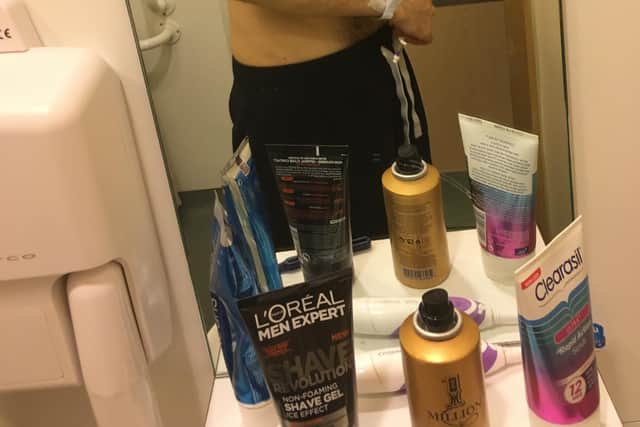
He started treatment straight away at the Teenage Cancer Trust unit at St James’s University Hospital in Leeds, which included chemotherapy, a bone marrow transplant from an American donor, and countless platelet and blood transfusions.
While Dominic’s health has improved post-transplant, he has been left with several side effects from his treatments, such as nerve damage in his feet, which creates a “burning” sensation every time he walks.
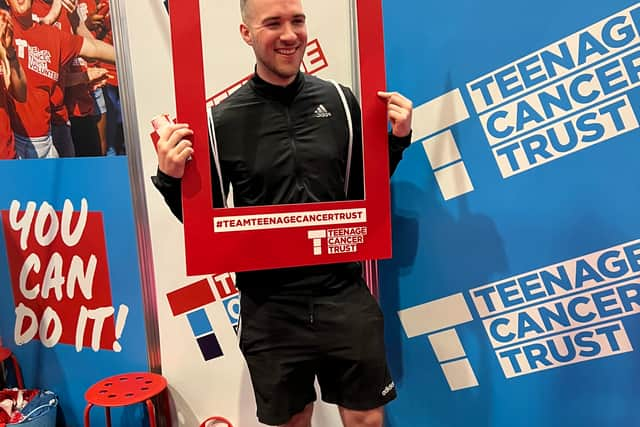
“The main message is, there is a positive side after you’ve been through the treatment and I’m proof of that,” Dominic said.
“Granted, not everyone makes it, but you’ve got to be strong. You’ve got to make sure that you’re the person that survives it, you’ve got to put yourself first, and you’ve got to do everything you can.
“There were so many times I was told I’d probably die, but I’m not dead and look at me now.”

He said he was told by doctors that aplastic anaemia affects “one in six million” people and he was one of five people with the condition in the UK at the time.
Dominic underwent platelet and blood transfusions every day for six months, along with six rounds of chemotherapy – but this “all failed” and doctors then looked to a bone marrow transplant as the next step in his treatment plan.
Given his brothers were not a match for the transplant, doctors contacted the charity Anthony Nolan and there were three suitable donors across the world on the register – in England, Germany, and the US.
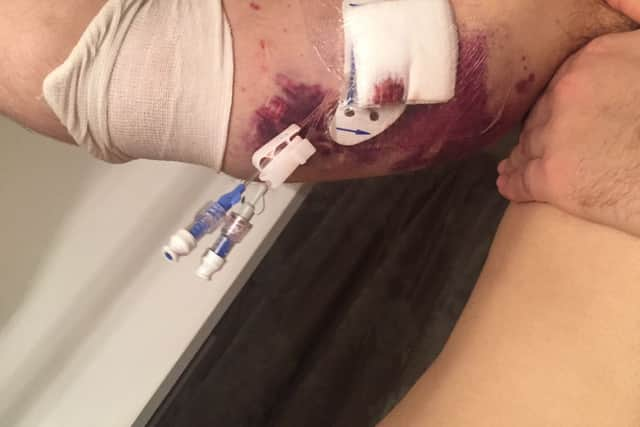
It was at this point Dominic was told he was on “death’s door” and he may only have a few days to live, and his family even considered paying to fly him to America for the transplant – but Dominic was determined.
“Life is precious and I went to six funerals in that first year, from getting close to people (on the ward) and people dying,” Dominic said.
“When you’ve been to so many funerals, and so many people have died who you’ve got really close to, you haven’t got time to moan and complain.
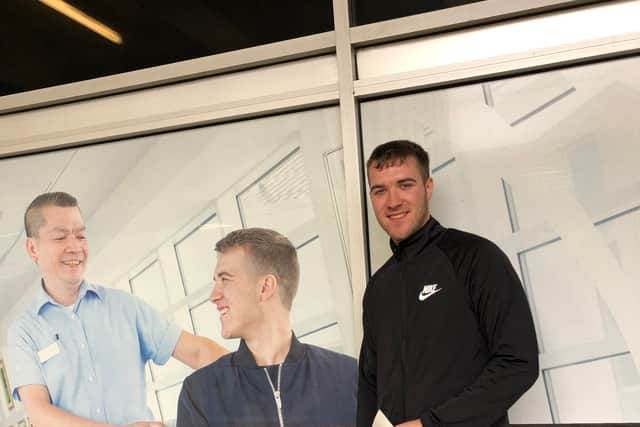
In October 2016, Dominic underwent the bone marrow transplant, which replaces bone marrow with healthy cells, and he said it only took around five minutes to complete the treatment.
“As it stands now, I’m 98% American, which is brilliant,” he said.
However, post-transplant Dominic remained on the ward for 40 days as he developed Graft-versus-host disease – where white blood cells attack the patient’s body.
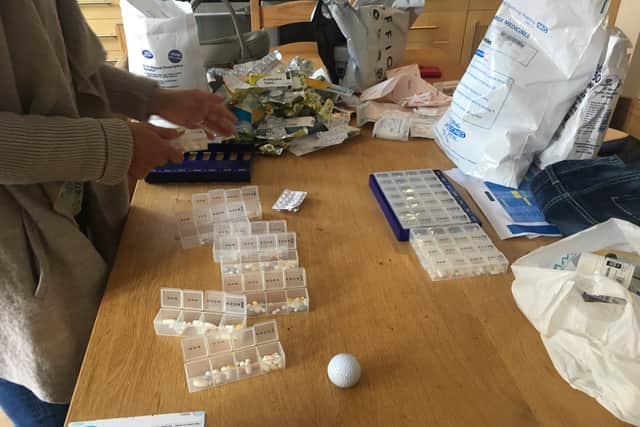
Dominic has been left with several side effects from his treatments however, as he has “a low platelet count”, and this means he can no longer play contact sports due to the risk of “blood clots and bleeds on the brain”.
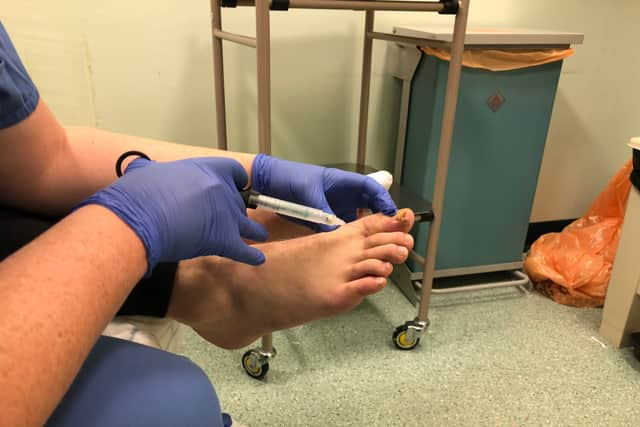
His toenails expanded due to the chemotherapy as well, leading to two nails being removed, and he sustained nerve damage in his feet which means it feels like he is walking “on fire or hot coals”.
“I’ve got a really low platelet count – it does go up, and at the moment I have once a year check-ins, but they’re nowhere near where they should be,” Dominic explained.
Dominic said he believes his positive mindset, along with the “amazing work and facilities” at the Teenage Cancer Trust unit, helped him through the most challenging times.
With a juke box, pizza nights, PlayStation 4 and pool competitions on the ward, it helped him “forget” he was in hospital and it gave him the motivation to keep going and focus on “surviving”.
Although Dominic felt like he had to “start from zero” after all his treatments ended – learning how to adjust to a new “normal” and returning to work four years after his diagnosis – he said he has a newfound “appreciation” for life.
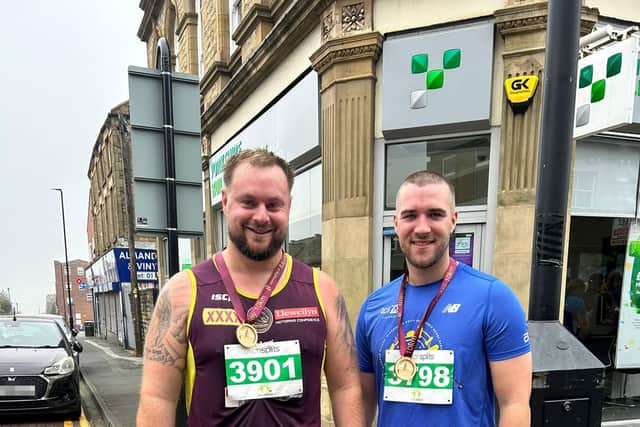
He has since challenged himself to run the 2024 TCS London Marathon for a second time, having raised more than £4,000 for the charity by completing the event last year, and he will be participating with his friend Jamie this time around.
Although Dominic “hates” running, he feels it is important to challenge himself and give back to those who “saved (his) life”.
“It is literally like running on coals, so doing that for five hours will be excruciating. I’d say it’s 10 out of 10 pain,” Dominic said.

“I live on challenging myself, I don’t want to get stagnant in life, and running the London Marathon is a challenge that I want to complete, and it’s mainly for the ward.
“For the people after me, they need to keep that ward going… they’ve saved my life so the least I can do is try to raise some funds for them to keep it going.”
Teenage Cancer Trust’s challenge events raise vital funds to support young people like Dominic through treatment.
To find out more, visit: teenagecancertrust.org/challenges, and to donate to Dominic’s JustGiving page, visit: justgiving.com/fundraising/jamie-wilkinson6 .