
‘I spent three festive periods in hospital due to Crohn’s disease – this Christmas I hope to re-write the story’
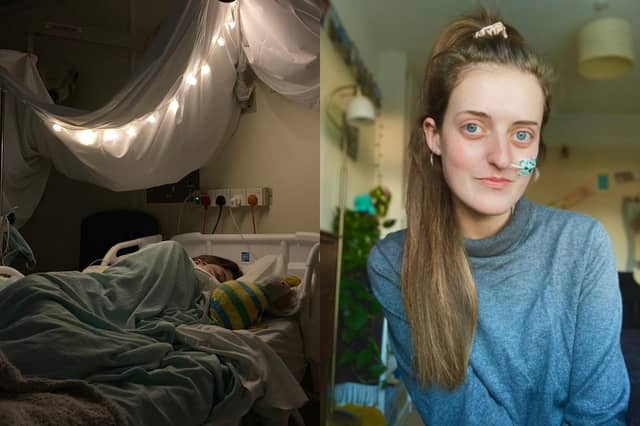

A musician who spent the last three Christmas periods in hospital on her own due to Crohn’s disease is hoping to “re-write the story” to avoid a fourth December admission this year.
Kirsten Parry, 29, an assistant director of music at a secondary school who lives in Ash, Surrey, was diagnosed with Crohn’s disease – an autoimmune, lifelong condition where parts of the gut become swollen, inflamed and ulcerated – in June 2021.
She noticed a change in bowel habits and her symptoms included abdominal pain, nausea, a loss of appetite and weight loss – and at her worst, she said she was having “accidents” and going to the toilet more than 20 times a day.
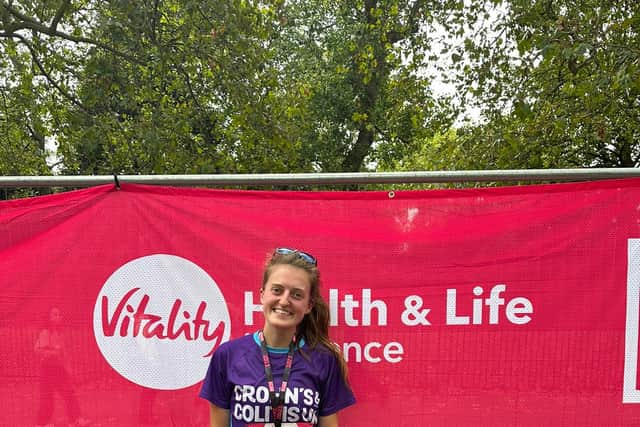
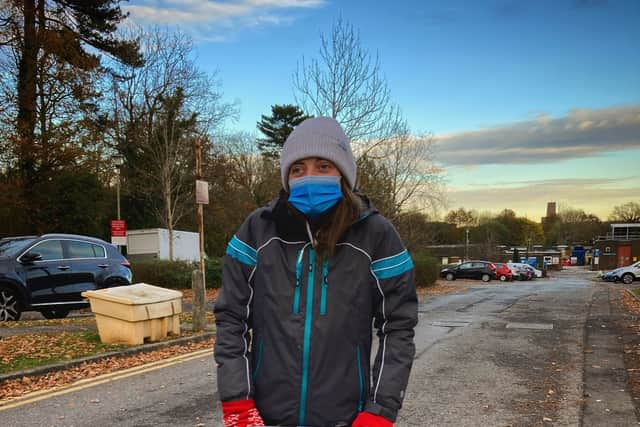
This year, although Kirsten has a “fear of sickness” during the winter period, she is hoping to avoid a fourth hospital admission over the festive period and wants to create “positive stories of Christmas”.
Kirsten told PA Real Life: “Everyone seems to have so much energy and excitement at this time of year and I just don’t have that anymore.
“I just keep getting these memories and intrusive thoughts of this time a year ago, and whenever I go into the bathroom, I think, this is where I was lying on the floor, screaming.
“What I’m trying to do this Christmas is almost re-write it and think, well, I’m going to change the narrative this year and hope that I don’t have to go into hospital.
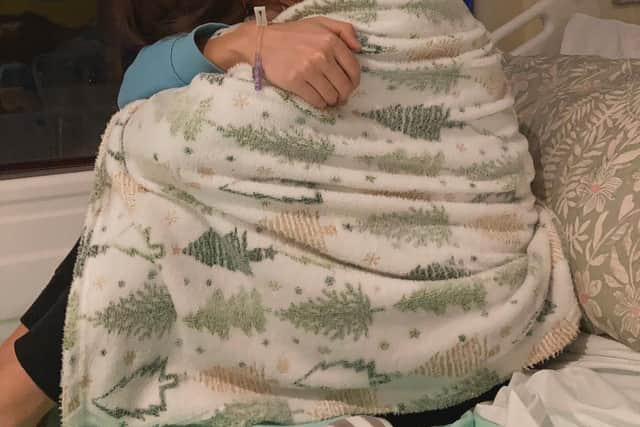
According to the charity Crohn’s & Colitis UK, Crohn’s disease is a type of Inflammatory Bowel Disease (IBD) where parts of the gut become swollen, inflamed and ulcerated.
Crohn’s is a lifelong condition and, currently, there is no cure – but medicines, surgery, or a combination of both can help keep symptoms under control.
For Kirsten, she explained that she had “never had a medical condition in (her) life” up until her Crohn’s disease diagnosis in June 2021.
“I started teaching in school again – this is January 2021 – but the children weren’t in school, I was teaching from my computer,” she said.
“I remember having to set them off on a task, turn my camera and microphone off, run to the toilet, come back, set them on another task, run to the toilet, come back.”
Kirsten said her symptoms included sharp abdominal pain, nausea, a loss of appetite, weight loss and diarrhoea, and she was going to the toilet with “urgency” around 10 times a day at this point.
After a blood test and two stool samples, it was revealed Kirsten’s faecal calprotectin levels – an inflammatory marker – were “abnormal” and she was referred to the Royal Surrey County Hospital in Guildford.
Following her referral appointment in April, Kirsten said she had a colonoscopy and an MRI scan, which led to her official Crohn’s disease diagnosis on June 24 2021.
“Doctors and nurses said, ‘Don’t worry, it’s showing up as mild, so we should be able to sort this out with minimal medication’,” she said.
Kirsten was prescribed the first of several medications, including Pentasa, followed by steroids such as Budesonide, but her faecal calprotectin levels continued to rise.
She said she started having “accidents” and her symptoms worsened in “a debilitating way”.
During an appointment with her consultant in August 2021, aged 25, she said she broke down in tears, feeling “mortified”, and thought: “I shouldn’t be having to change my underwear halfway through the day.”
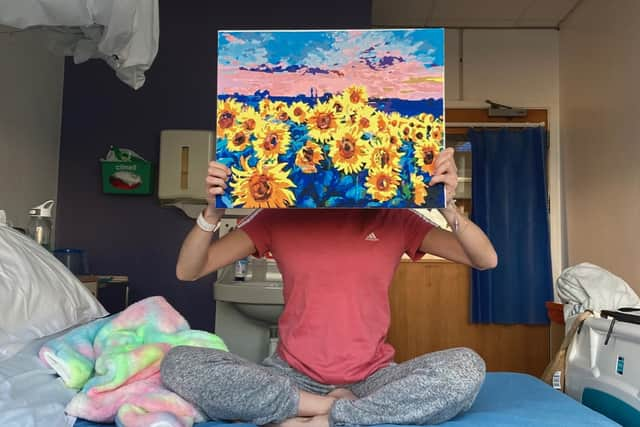
She then developed “an unknown infection”, which led to sepsis, followed by Clostridioides difficile – a highly contagious bacterial infection – and she was hospitalised in December 2021.
She said she was not allowed any visitors and, due to the condition being contagious, she could not leave her hospital room unless she needed to have an X-ray and she could only wash herself at the sink.
“I started getting these new gastro symptoms, so I started passing blood,” she said.

Kirsten was discharged on Christmas Eve but, due to being “very thin and very weak” and living away from her family, she spent Christmas Day sleeping on the sofa at her friend’s house.
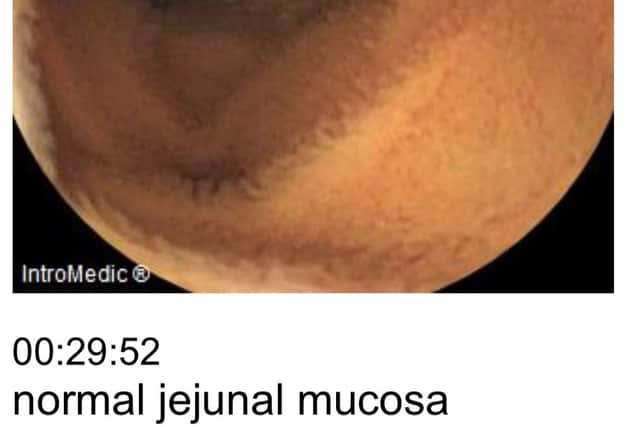
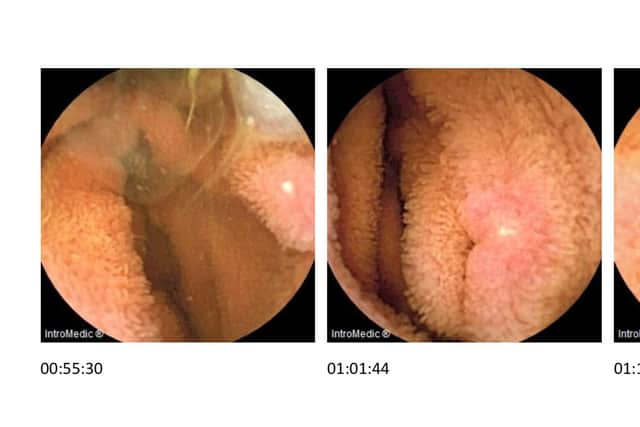
During the following week, she said she started having “accidents during the night” and her inflammatory markers were “sky-high”, leading her to have a capsule endoscopy – a small capsule that takes pictures as it travels along your gut.
She said this revealed her Crohn’s was, in fact, severe, not mild, and she had “ulceration everywhere” in her small bowel.
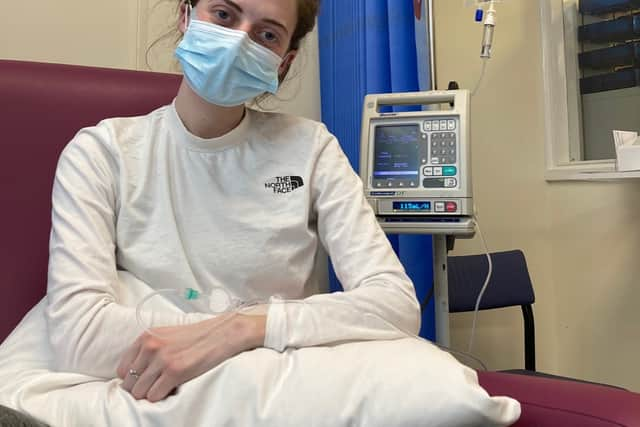
Although this medication has helped alleviate her symptoms, she said she constantly thinks about three things: toilets, food and germs; during her day-to-day life, which is “exhausting”.
“I would say I have an intrusive, anxious thought relating to either immunosuppression or Crohn’s probably every minute,” she said.
“My head feels like it’s exploding sometimes.”
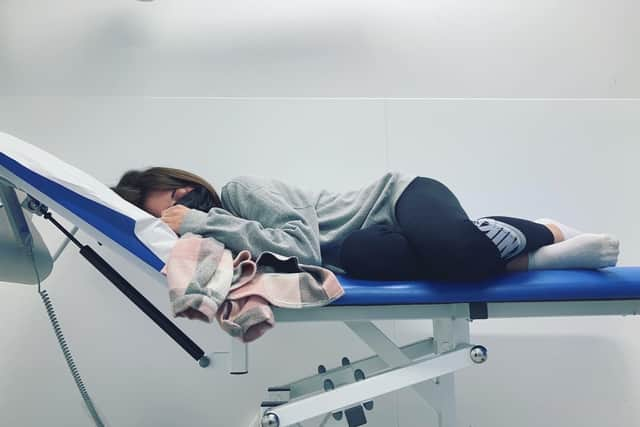
In 2022, she was admitted due to an infection, which then triggered a Crohn’s flare and, in 2023, she was admitted with acute gastroenteritis – a condition that causes diarrhoea and vomiting.
She said she has been able to manage her Crohn’s with regular check-ups and medications, and she is learning to base her thoughts and actions on “evidence”, rather than anxiety, as this can exacerbate her symptoms.

Speaking about her advice to others, Kirsten said: “It’s only embarrassing if you let it be embarrassing.
“I don’t walk around talking about my bowel habits to everyone I meet, but if someone asks me a question, I will openly answer it. I’m not embarrassed anymore.”
For more information and support, visit Crohn’s & Colitis UK’s website here: crohnsandcolitis.org.uk.