
‘I thought my two sons would die because of a one in 40,000 condition – now one looks set to become an Olympic gymnast’
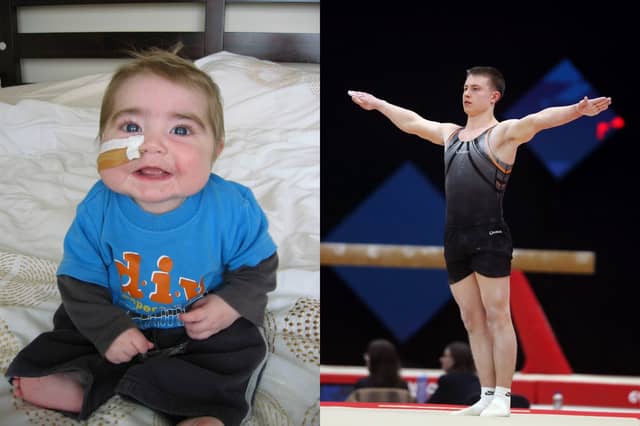

A mother who feared she would lose her two sons born with a one in 40,000 condition has said “anything is possible” as one now appears destined to become an Olympic gymnast and the other studied astrophysics.
Riley Robertson-Browne, 16, and his brother Jordan, 28, were both born with severe combined immunodeficiency (SCID) – a group of rare, inherited disorders which cause major abnormalities of the immune system and affect just 14 babies per year in England, according to 2022 government statistics.
Jordan had chemotherapy followed by a bone marrow and stem cell transplant at nine months old, while Riley underwent a cord blood transplant – where stem cells are collected from the umbilical cord – when he was six weeks old.
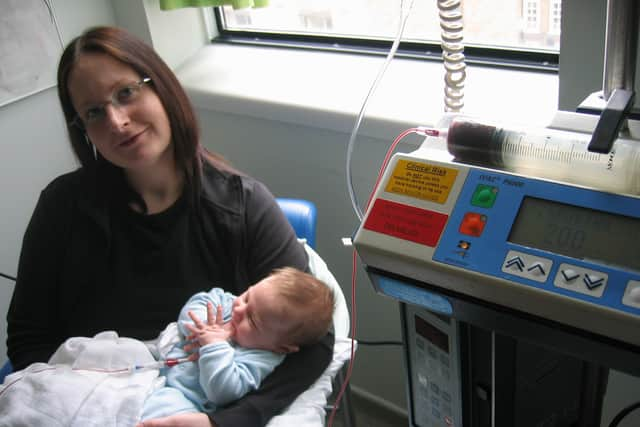
“You don’t know if they’re going to survive, you just have to keep going, no matter what emotion you’re feeling, and you’ve got to be strong for the family,” Karen told PA Real Life.
While Jordan’s journey to recovery was longer he has since gone on to study astrophysics at Hertfordshire University and is now a web developer, and for Riley, he has recently been selected as part of the England squad for men’s artistic gymnastics in his age category.
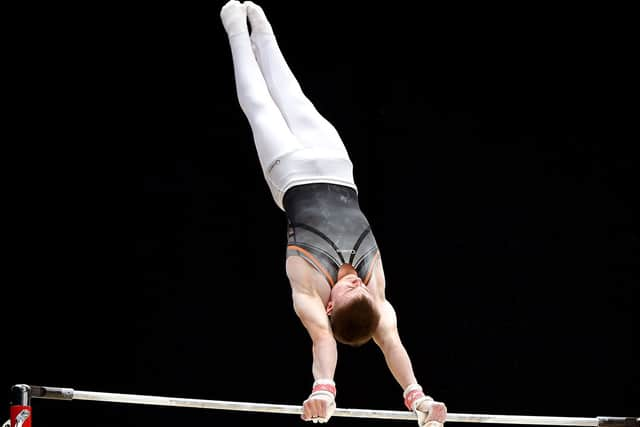
Riley, who is now taking a long-term antibiotic for SCID, aims to one day compete at the Olympics and wants to share the message that you can do “anything” you put your mind to.
“Just be confident in yourself – if someone can do it, anyone can do it,” he said.
“If I see someone else doing a new skill which I think is amazing, I’ll tell myself, well, why can’t I?
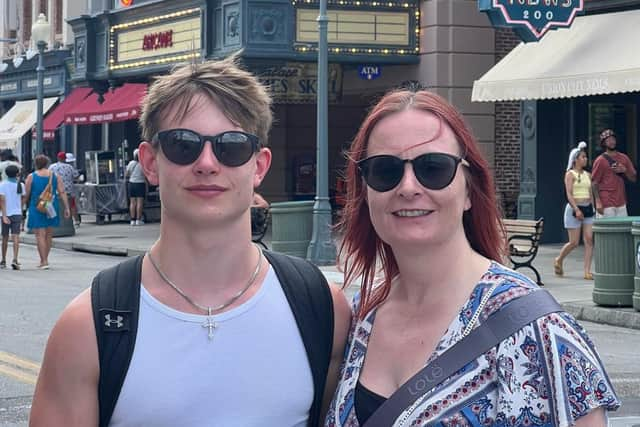
Karen added: “I thought my children would die, I thought they would be having disadvantages for the rest of their lives.
“My advice would just be that it’s possible for your children to achieve anything – obviously there might be limits, but like Riley said, anything is possible.”
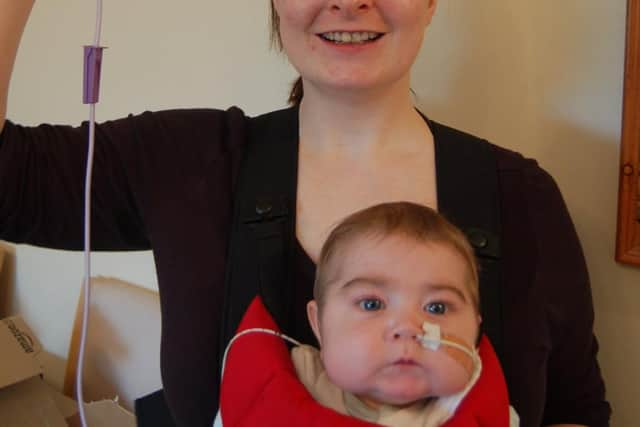
Jordan underwent chemotherapy before having a bone marrow and stem cell transplant at nine months old at Great Ormond Street Hospital (GOSH) – and Karen said “he’s the first child in our family to survive”.
He has since gone on to study astrophysics and is now doing “really well”.
According to GOSH, the immune system abnormalities in SCID lead to greatly increased risks of infection and other complications that are life-threatening.
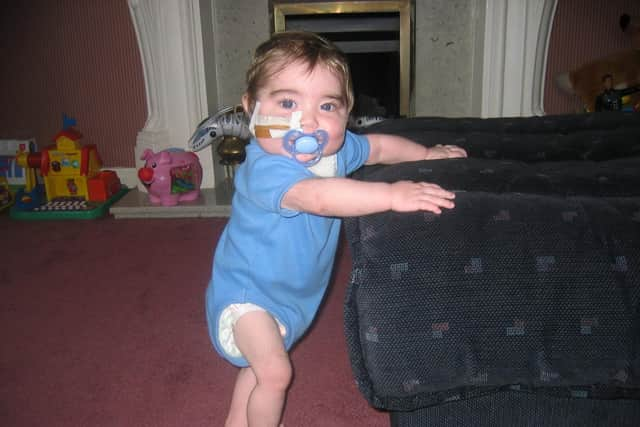
She said: “When he was born, doctors had already found another cord blood match donor for him, and he had his transplant when he was only six weeks old, which is incredible.
“It was a success to begin with, but then he started to reject it and got very, very sick.”
Karen said Riley developed infections and he needed to be tube fed, and the family spent “repeated periods of time with him in isolation” at GOSH over the following two years.
“It was incredibly hard because I’d already been through all of this with Jordan, so I thought, this is it, we’re just in for months and months, possibly years, of being in and out of hospital,” Karen said.

Despite experiencing complications and further infections, Riley’s health gradually started to improve, and he started participating in gymnastics at the age of four.
His love for the sport developed after watching his brother Kain in gymnastics classes.
“I would sit upstairs, trying to do handstands and roly–polies under the table, and my parents eventually thought they should put all this good energy to use, and they put me into the sport,” Riley said.
“One of my coaches saw the talent in me and she put me into the squad – and after that, I just kept moving up and up.”
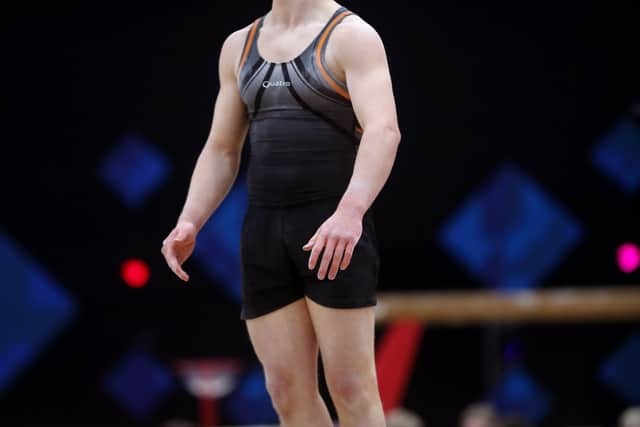
He particularly enjoys tumbling and described himself as “fearless, determined, and powerful”, but explained that the sport is “more mental than physical”.
His highlights include going from coming last to winning the same competition one year later and being presented with a medal by his sporting hero Max Whitlock.
Describing meeting Whitlock, Riley said: “He was very kind and he always had a smile on his face when he was talking to the younger gymnasts, which was lovely.
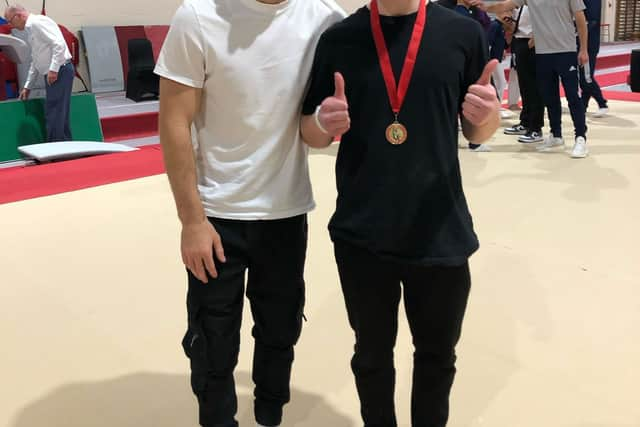
Riley said gymnastics “takes away all (his) worries” and, before a competition, he will have scrambled eggs and often watch videos of high-profile gymnasts performing.
Having recently been selected as part of the English squad for men’s artistic gymnastics in his age category, which Karen and Riley described as “incredible”, he is now aiming for the Olympics.
He said: “(My SCID diagnosis) has been challenging, but I just try not to let it stop me.
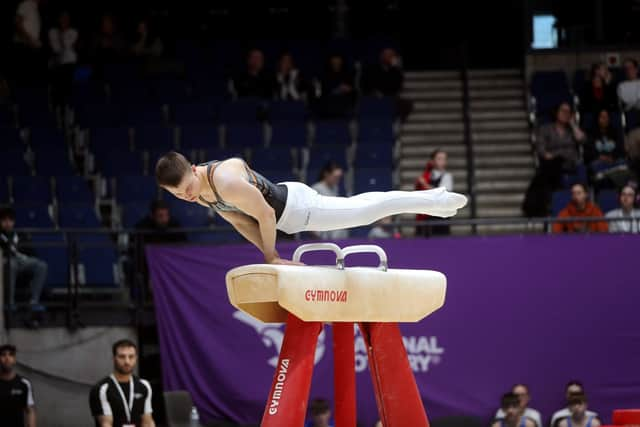
Speaking about how far Riley has come, Karen added: “It’s incredible to see what Riley has achieved.
“To see him doing what he’s doing – when I saw how weak he was, how he couldn’t eat properly, when there was so much uncertainty about whether he was even going to get through it – it’s almost like a dream.”
Great Ormond Street Hospital Charity is encouraging members of the public to take part in one of its fundraising challenge events, so it can help more children like Riley have the chance to fulfil their dreams.
To find out more, visit: gosh.org/get-involved/fundraising-events.