
‘I was told to get pregnant at 17 as solution to my periods and endometriosis – medical cannabis has been life-changing’


A young woman who claims she was told by doctors to get pregnant at 17 as a solution to her periods and endometriosis symptoms has said taking medical cannabis has been “life-changing”.
Hann Dougie, 31, a dental nurse from Neath, Wales, started having debilitating periods aged 10, but claims she was repeatedly told by doctors that “the pain is in (her) head” – and she went onto experience “medical misogyny” for years after.
She was prescribed the contraceptive pill at the age of 14, along with codeine and antidepressants, but said this affected her mental health significantly, causing severe depression and anxiety.
At the age of 17, Hann claims a GP told her that pregnancy could be a solution to manage her painful periods, which often left her unable to walk, and said other GPs offered the same advice.

Although the Government announced that medicinal cannabis is legal in 2018, Hann said she did not discover it until 2021, and it has been “phenomenal” in managing her pain and helping her get her life back.
Hann told PA Real Life: “Most male doctors that I’ve spoken to regarding my periods and endometriosis, they’ve said: ‘It’s in your head, lose weight, here’s the pill’.
“From my personal experience, there needs to be a lot more help towards women’s health.
“We really need to be looking into how medical cannabis can help a variety of things, especially women’s health, and the massive issue that we’ve got with medical misogyny.

Hann’s mother worked as a nurse when she was growing up, so they had discussed puberty and periods and it “didn’t come as a shock”.
However, at the age of 10, when she started her periods, she said the pain was debilitating.
“I remember it just being awful,” Hann explained.
“But doctors put it down to being psychological, saying the pain was just in my head. You know, ‘Periods are just bad, it’s one of those things’.”
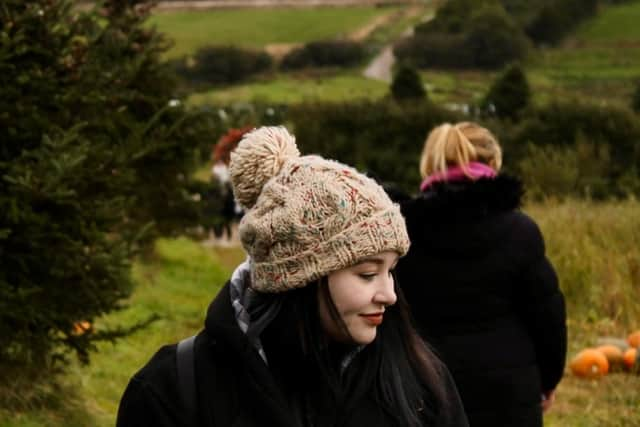
However, during training for one of the expeditions, she said her mother had to pick her up “from the middle of nowhere” as she could not walk.
Hann said she had been prescribed the contraceptive pill, aged 14, which helped to regulate her periods, but the severe pain persisted.
“The pill did nothing for the pain. All it did was keep my cycle regular, but it destroyed my mental health,” she said.
Describing the pain, she added: “Lots of nerve pain, stabbing pains, sharp, burning pains, and that would be in my lower back, hips and down my thighs.”
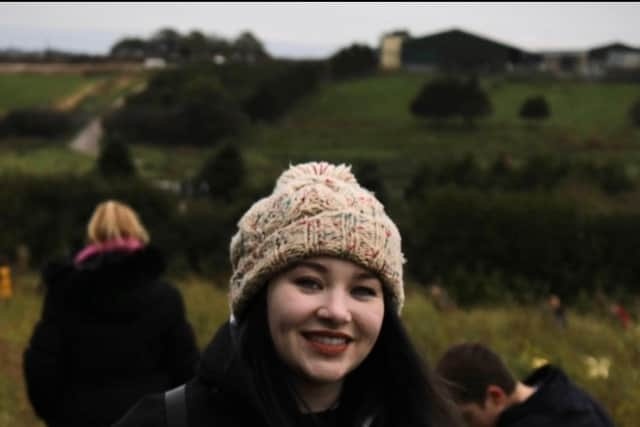
According to the NHS, commonly reported side effects of hormonal contraception include headaches, feeling sick, mood swings, weight gain, sore breasts and acne.
She said she was later prescribed antidepressants, aged 16, but her mental health continued to deteriorate.
“I am autistic, and I’ve got this professional saying to me, ‘Take this (the pill), it’s going to help’,” Hann said.
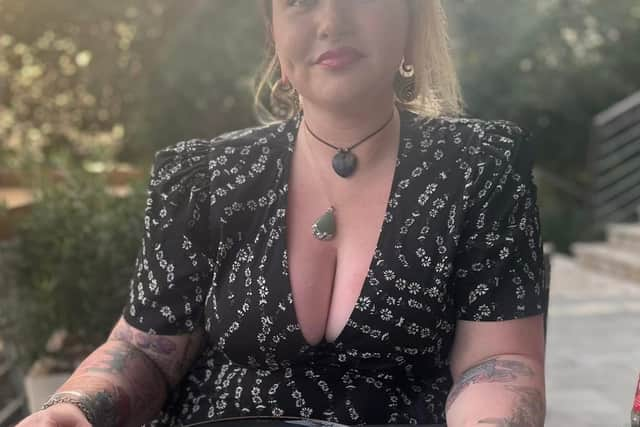
Hann said she was prescribed antipsychotics as well, due to the severity of her depression, but claims this affected her bone density and further impacted her ability to walk.
According to National Institutes of Health (NIH), prolonged use of antipsychotic treatment seems to be associated with an increased risk of reduced bone mineral density (BMD).
“I literally couldn’t walk up the stairs, I couldn’t walk down the street. I just couldn’t walk,” she said.
“I spoke to my psychiatrist, and I said, ‘Look, I’ve been on this course… I want to come off it’.
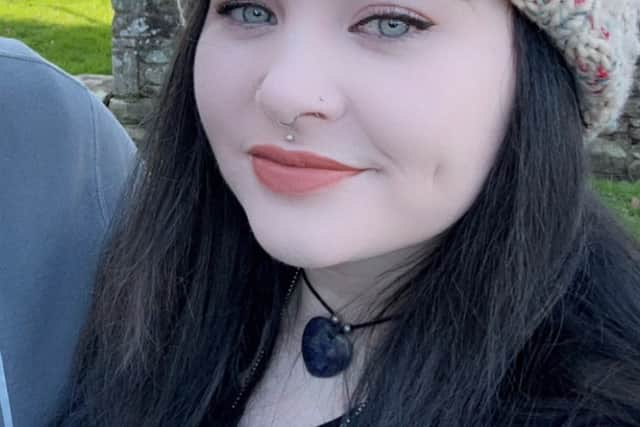
At the age of 17, Hann claims she was then told by doctors to get pregnant as a solution to her painful periods and symptoms – but she had not yet been diagnosed with endometriosis.
At this point, she said she had been referred to a specialist, but she was waiting for a follow-up appointment.
“They were just saying, ‘A lot of women find that once they’ve had a baby, everything’s better, there’s glitter and rainbows everywhere’,” Hann said.
“I just said to them, ‘I’m 17’, and they said, ‘Oh, yeah, but people have babies at all ages, you can start thinking about it now’.
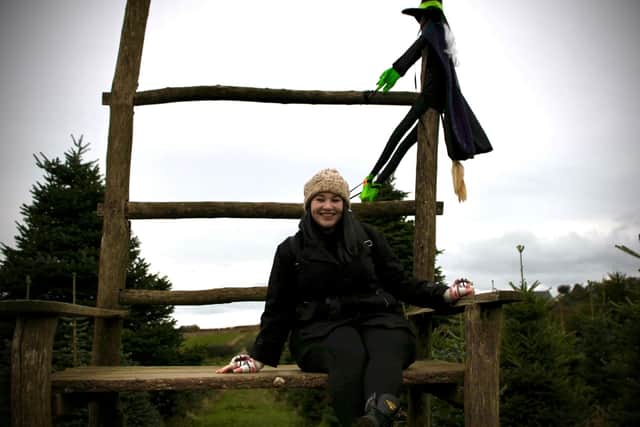
At the age of 18, Hann said she was finally diagnosed with endometriosis, which made her feel “a mixture of every emotion”.
Endometriosis affects 1.5 million women and those assigned female at birth, a similar number of those affected by diabetes, Endometriosis UK says.
While it was “a huge relief to know it was not just in (her) head”, she said it was “devastating to know something was wrong”.
Hann continued with the pill and codeine, until she decided to get an Intrauterine Device (IUD), also known as the copper coil, which she said “helped massively”.
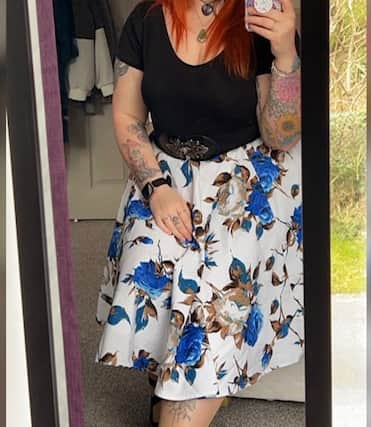
Despite having three laparoscopic surgeries over the years – a type of keyhole surgery used to diagnose and treat conditions – Hann said they only provided temporary relief for her endometriosis.
It was not until 2021 that she came across medical cannabis on social media “by chance”, and she “went down a rabbit hole” of research.
“It just absolutely blew my mind because no GP had ever mentioned it to me,” she said.
“Nobody, no specialist, no endo-specialist, literally nobody had said to me, ‘Have you thought about medical cannabis?'”
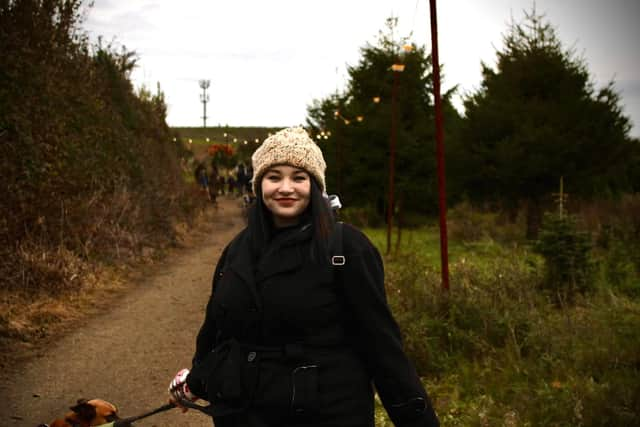
Hann is no longer taking the pill, codeine or antidepressants and she described medical cannabis as “life-changing”, as it has allowed her to increase her working hours, go to the gym and live her “day-to-day life”.
“I’m aware that the pain is there, but it just dulls it down so much that I can crack on with my day-to-day life,” she said.
“Just being able to sleep, it’s such an amazing feeling. Just even having a good night’s sleep is an absolute game-changer.
“It’s phenomenal, absolutely phenomenal. ”
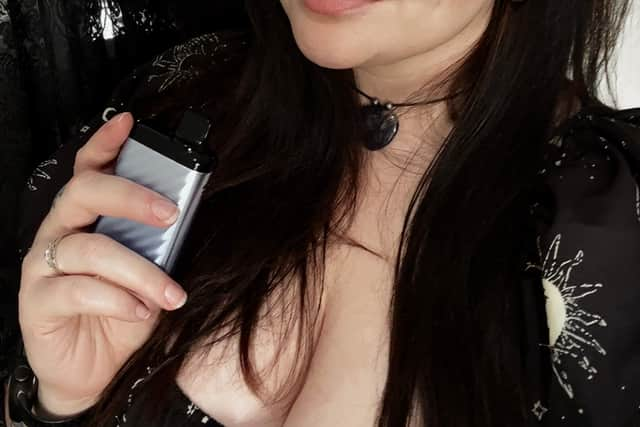
However, she feels there is a stigma around using medical cannabis, as people have made comments when she has used it in public.
She hopes she can raise more awareness and educate others on the benefits.
“The only thing that I’m being prescribed is the medical cannabis, and that’s all I’m willing to have,” she said.
“I refuse to even consider trying anything else.
“I work with a lot of doctors and surgeons, and the majority of them weren’t aware that it is legal.
“People need to be aware that medical cannabis exists and that it is legal.”