

April was also the sunniest on record for England since records began in 1910, and the other home nations had their second sunniest.
Despite thunderstorms in the middle of the month and a soggy Late May Bank Holiday, more records fell as the UK enjoyed its warmest spring and its driest in more than 50 years.
The summer got under way with widespread heat alerts as the UK caught the edge of a so-called “heat dome” – a large area of high pressure trapping hot air for prolonged periods – which pushed temperatures to extreme highs in parts of continental Europe.
July 12 was the year’s hottest day in Scotland – 32.2C in Aviemore – and Wales, where the temperature reached 33.1C in Bute Park, Cardiff. A week later the UK’s hottest day of the year was recorded at 40.3C in Coningsby, Lincolnshire.
Then a fourth heatwave of the summer descended, with heat alerts in place for much of England.
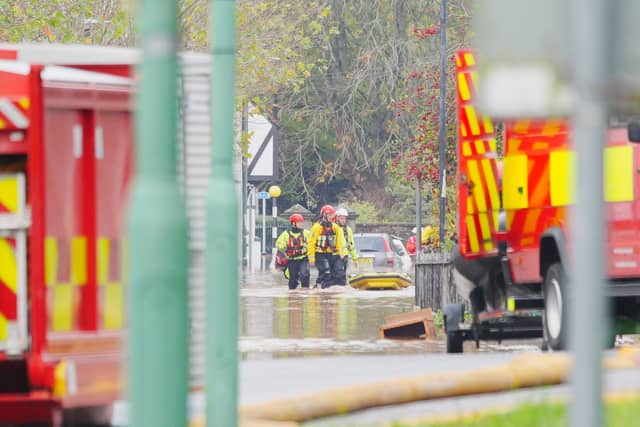
Scottish and Southern Electricity Networks said Storm Amy, which swept through in early October, was one of the most severe storms in recent memory as it left power lines damaged in 750 locations and 90,000 properties without power.
The UK escaped relatively unscathed later in the month as Storm Benjamin moved away, but persistent grey skies and low cloud spelled an average of just 63.3 hours of sunshine in October, the lowest total for the month for nearly 60 years.
1.
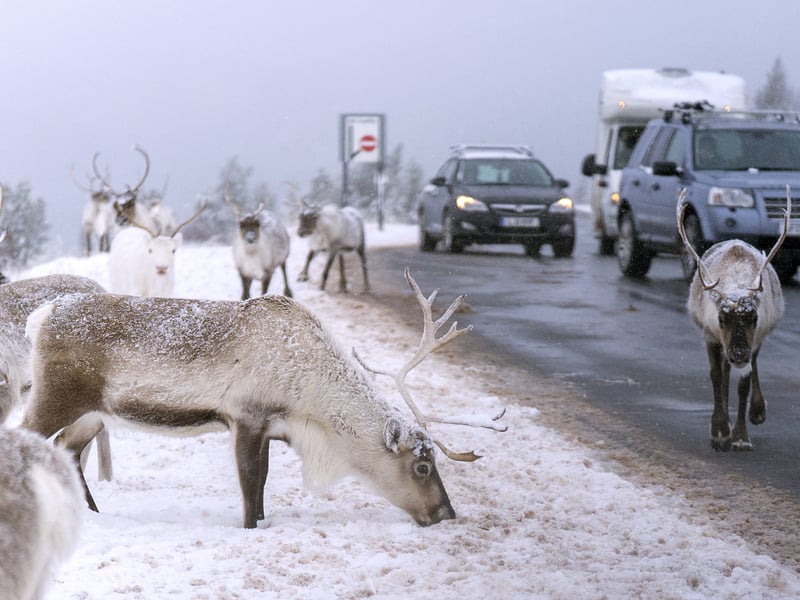
No sooner had Claudia moved away than a cold snap sent temperatures plunging as low as minus 11C, recorded at Loch Glascarnoch in the Scottish Highlands.
2.
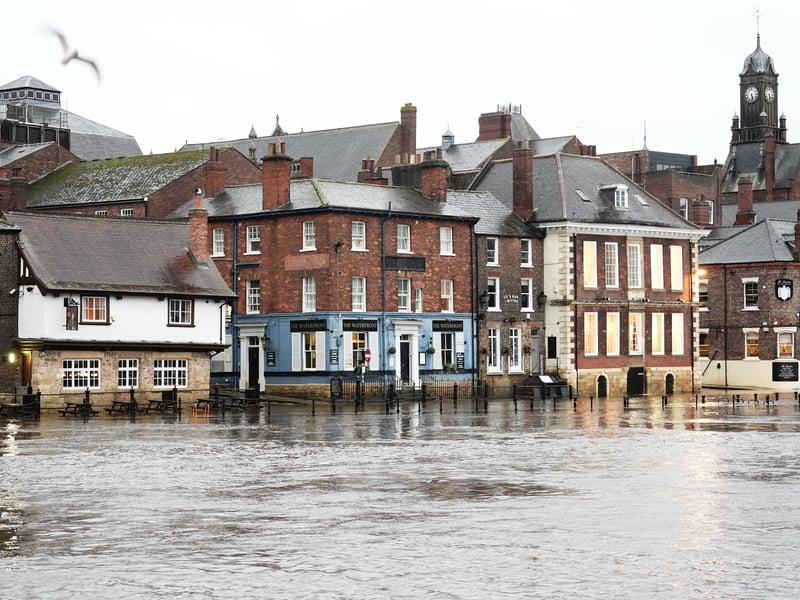
Then the UK had a rainy start to meteorological winter – December started with severe gales in the Scottish Highlands and Islands, and heavy rain in south-west Scotland. This was followed by Storm Bram, which caused disruption across the UK with widespread flooding, flights and trains cancelled and hundreds of properties left without power.