
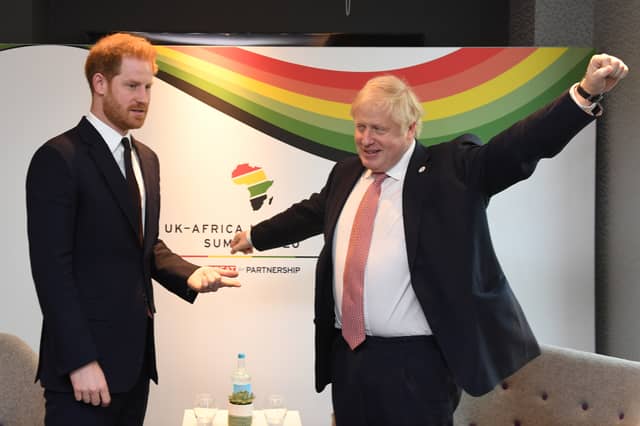

Boris Johnson’s ousting as Tory party leader will see his term as Prime Minister end and, at least for now, brings down the curtain on a political career full of ups and downs.
The former journalist, a familiar figure on TV panel shows before he climbed to power, switched to politics when he became MP for Henley-on-Thames but soon made it clear he coveted the mayor of London’s job.
Beating the incumbent Ken Livingstone, his tenure in a city with widespread Labour support was notable and he occupied that office during the 2012 Olympics, considered a triumph for the host city.
Mr Johnson decided to back Brexit and became a familiar figure around the country, descending from the bespoke red bus to rally voters to end the union with the continent that had started in 1973.
He was perhaps the most high-profile figure on the campaign and the take-back-control message prevailed to the surprise of many pundits at home and abroad.
Many saw him as the man to lead the UK out of the union but as he prepared to contest the leadership following Mr Cameron’s resignation, the shock decision of ally Michael Gove to stand scuppered his campaign before it had started.
Mr Johnson eventually quit as foreign secretary amid discord over Mrs May’s perceived soft Brexit.
And when Mrs May eventually was toppled, this time Mr Johnson never looked like being beaten in the contest, securing a clear win.
He arrived in 10 Downing Street after being offered the post by the Queen but it did not take him long to seek a fresh mandate for the “oven-ready” deal he had struck with the EU.
The voters gave him a ringing endorsement, with the Tories claiming spectacular wins in “red wall” seats which had previously been seen as safe for Labour.
Little did Mr Johnson know that the imminent leaving of the EU would soon be superseded by a crisis like no other.
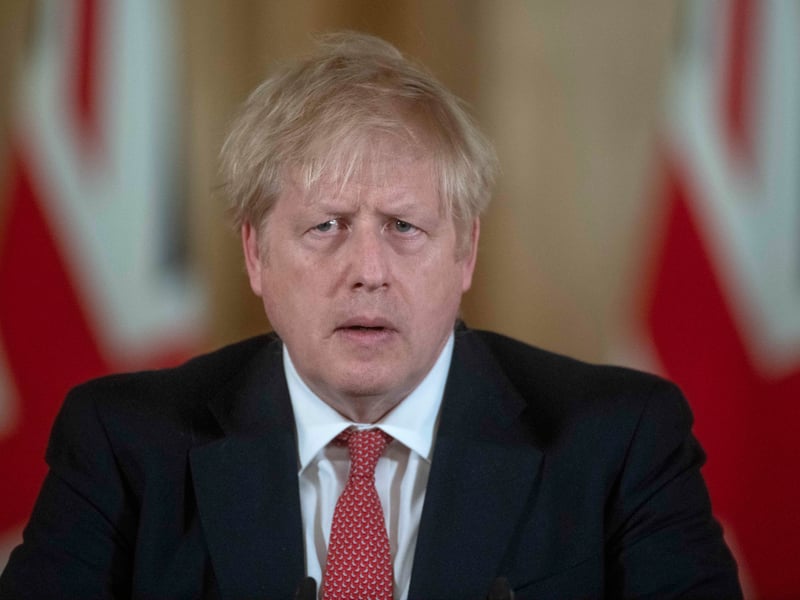
The coronavirus outbreak saw Mr Johnson taking unprecedented decisions, governing every aspect of citizens’ life with his March 23 2020 address telling people to stay at home the beginning of a long struggle, both politically and personal.
Mr Johnson was credited by some for a fast vaccine rollout while an inquiry will determine his handling of the pandemic.
But it was the so-called partygate scandal of socialising at the heart of Westminster while the four nations were locked down that would see his popularity tumble.
1.
2.
With mass resignations ensuing, the Prime Minister finally agreed to stand down on Thursday with even the Chancellor he had appointed 36 hours earlier telling him it was time to go.