
Incense bowl and helmet handle among finds at National Trust estate dig
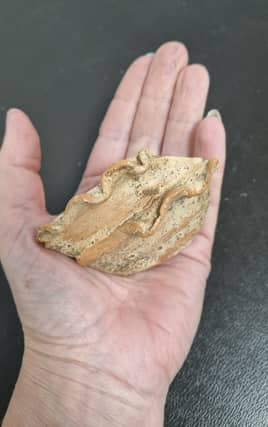

Roman coins, incense bowl and helmet handle are among artefacts found in a dig that allowed visitors to a National Trust estate to get hands-on with archaeology.
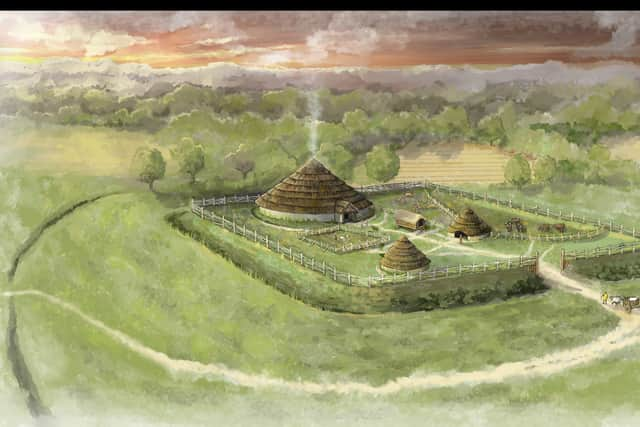
Excavations at Attingham Estate in Shropshire took place after a geophysical survey of across more than 1,000 hectares (2,471 acres) of land uncovered significant archaeological remains, including two previously-unknown Roman villas and an Iron Age homestead.
Excavations at one of the sites identified by the survey on tenanted farmland have unearthed finds that experts said gave “important” insights into life on the fringes of Wroxeter Roman City.
In a pilot approach, the Trust allowed visitors to book a place to dig alongside experts to create hands-on experiences of archaeology for members of the public – a model which the charity said could be offered at other sites it cares for.
Over two weeks in September, archaeologists led by Time Team’s Matt Williams and Dr Roger White, an expert in Wroxeter Roman City, worked alongside volunteers and members of the public to explore three trenches and several test pits.
Schools, youth groups, and local community organisations also got involved with surveying, washing finds and test pit excavations.
Artefacts unearthed include part of a 2,000-year-old decorated incense bowl which was found at the heart of the shrine, as well as a metal acorn which is likely to be a decorative feature from a Roman furniture item such as a small box.
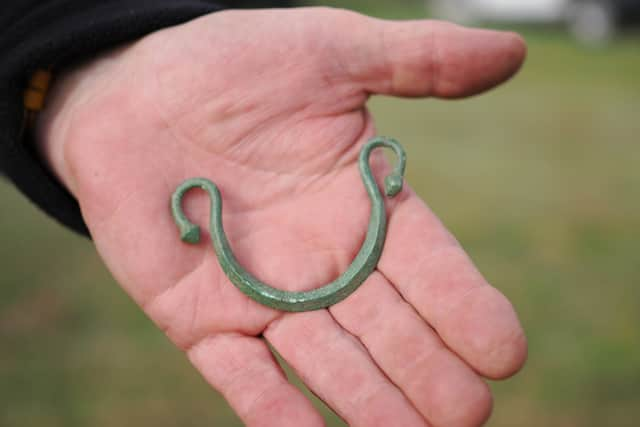
A ceramic object thought to be the base of a candlestick and a metal helmet handle believed to be part of Roman military gear were also found.
And the dig unearthed Roman coins, including one dating to around 150 BC which predates the Roman occupation of Britain, suggesting it may have travelled across Europe with a soldier or trader.
Mark Agnew, general manager of the Attingham Estate, said: “This pilot project marks an exciting new approach for the Trust.

“The work aims not only to connect people with the past, but also to deepen understanding of the wider history of Attingham Estate.”
He added: “What makes this project so innovative is its hands-on, sustainable approach.
“It transforms traditional excavation into a shared experience that supports research, conservation, and public participation.”
Dr White said: “This fortnight has made a significant, and important, contribution to our understanding of Wroxeter and its immediate surroundings.
“The dig may have been small in scale, but its impact is enormous.”
Finds from the dig will go on display to the public in 2026.