
Inflation strikes spur protests and clashes in Greece
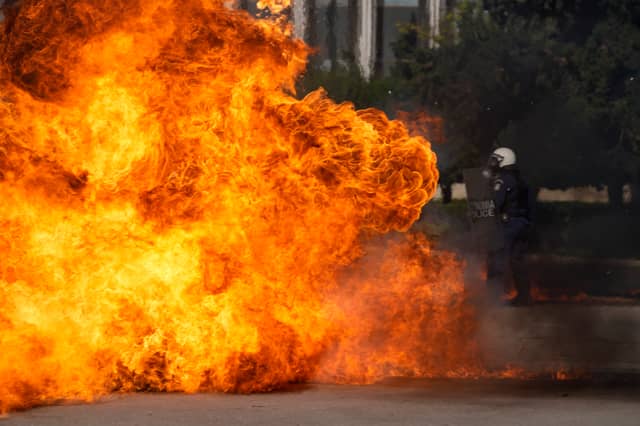

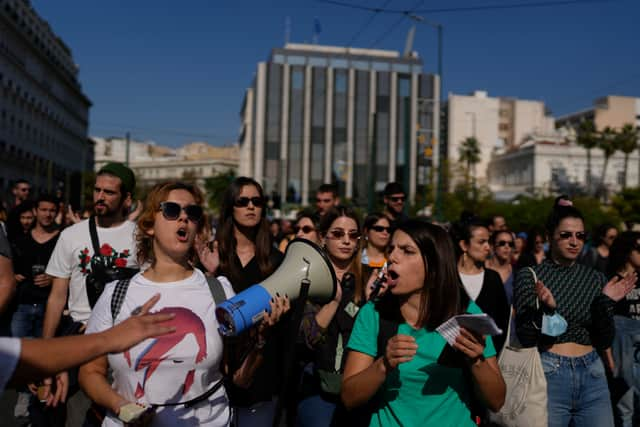
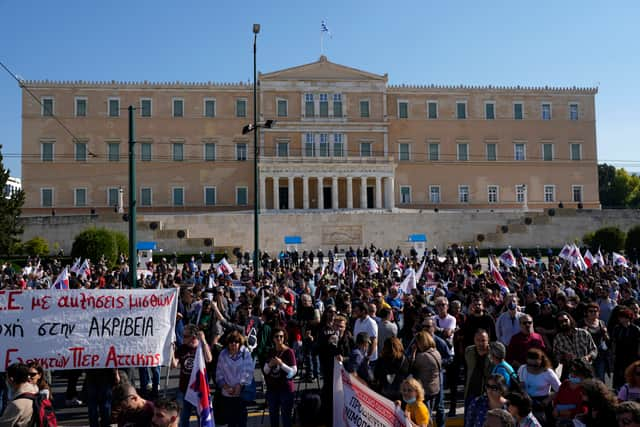
Thousands of protesters have marched through the streets of Athens and the northern Greek city of Thessaloniki as public and some private sector workers walked off the job for a 24-hour general strike against price hikes.
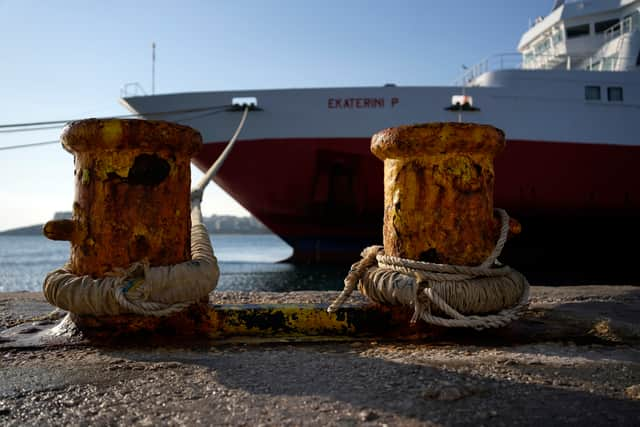
The strike disrupted services around the country, with ferries tied up in port – severing connections to Greece’s islands – state-run schools shut, public hospitals running with reduced staff and most public transport grinding to a standstill.
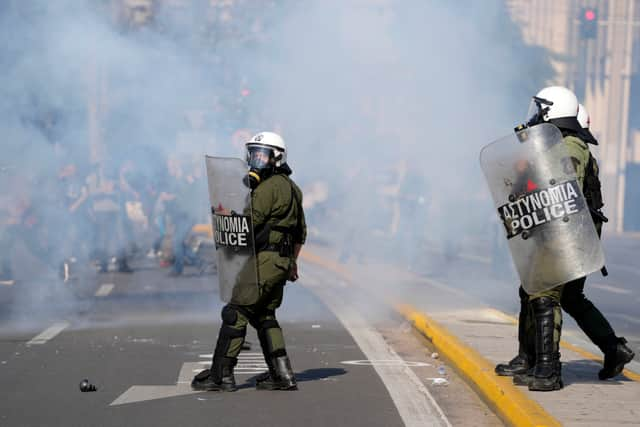
In both places, small groups of demonstrators threw Molotov cocktails and rocks at police, who responded with tear gas and stun grenades. There were no immediate reports of injuries.
Europe has faced a series of protests and strikes over the past few months over the soaring cost of living.
As Russia’s war in Ukraine has driven up energy and food prices, workers from nurses to pilots to railway staff have walked off the job seeking wages that keep pace with rising inflation.
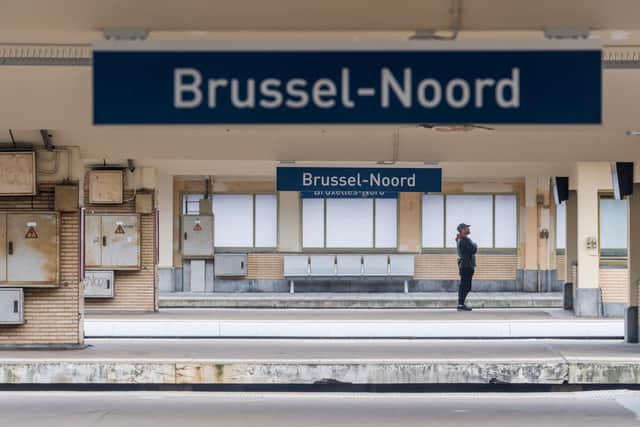
Workers in Belgium also were holding a nationwide strike on Wednesday over cost-of-living increases, snarling traffic through much of the country and disrupting businesses as workers set up picket lines at supermarkets and shopping centres.
The main trade unions are calling for wage increases, and the action led most trains and public urban traffic to be reduced to a minimum and 60% of flights to be cancelled at Brussels airport.
In Greece’s capital, no buses or trams were running, while only one of the three subway lines was operating, running a limited service only until the afternoon.
Flight traffic controllers had been due to participate in the strike with a six-hour work stoppage but had to reverse that decision late on Tuesday after a court deemed their participation illegal.
Passengers arriving at Athens’ international airport had extremely limited options to get into town, with no bus, regular taxi, subway or suburban railway services available. Crowds gathered at car rental agencies, while others tried to leave on intercity buses, which were the only form of public transport still running.
“Workers along with unions are fighting against increased prices that are drowning Greek households,” said GSEE, a confederation of private sector trade unions, citing price hikes for energy and basic goods.
Inflation in the 19 countries that use the euro currency, including Greece and Belgium, hit a record 10.7% last month, largely driven by higher energy prices.
Inflation was a bit lower in Greece at 9.8% in October — a drop from 12.1% in September — and higher in Belgium at 13.1%, according to EU statistics agency Eurostat.
Belgian trade unions say gas prices have gone up by 130% in just one year, electricity by 85% and fuel by 57%. Food prices also have gone up.