
Inquiries should have timeframes and set budgets, MSPs urge
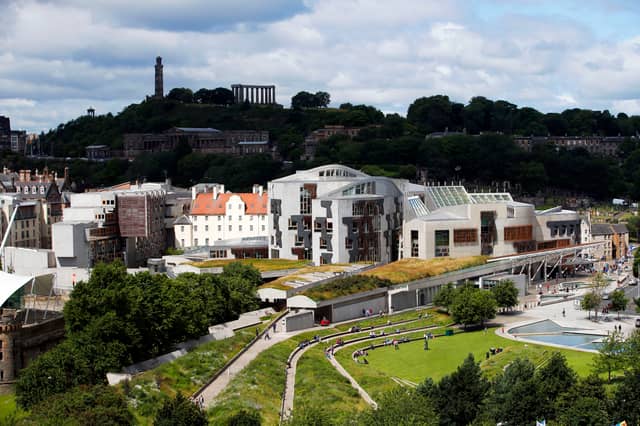

Public inquiries in Scotland should have agreed budgets and timescales, a Holyrood committee has said.
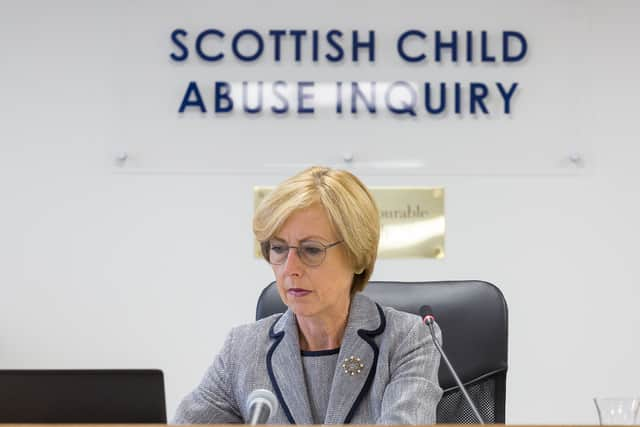
Since 2007, almost £260 million has been spent on public inquiries, including the ongoing Scottish Child Abuse Inquiry – which has racked up £102 million in costs thus far.
Holyrood’s Finance and Public Administration Committee set up an inquiry to assess the cost and timescale associated with the probes, which can frequently stretch into multi-year affairs costing tens of millions of pounds.
The committee has recommended a number of changes to the system, including implementing timescales and budgets, with justification given for extensions to be provided to MSPs if needed.
Its report said: “We therefore recommend that the Scottish Government amend the Inquiries (Scotland) Rules 2007 to require defined budgets and timescales for inquiries, with notification and justification for extensions to be provided to the Parliament.”
The MSPs also said the Government should create a central budget for inquiries, which can be used by public bodies to supplement the funding they are forced to direct into inquiries they are involved in.
The committee was critical of the Government’s use of judges to chair inquiries, which it said has a knock-on effect on the judiciary.
“The committee is concerned that appointing serving judges to chair public inquiries places significant strain on Scotland’s civil and criminal courts, a pressure amplified by long-running inquiries,” the report said.
“Evidence shows that trusted policy experts have successfully chaired inquiries in the UK and internationally.
“We welcome the Deputy First Minister’s openness to appointing expert chairs, however we are disappointed that in practice the Scottish Government has failed to appoint any non-judge chairs.
“We recommend that the Scottish Government strengthen its guidance to ensure all options: legal chairs, expert chairs, and expert panels are actively considered and aligned to the inquiry’s ‘core’ purpose.
“Guidance should set out successful examples of each approach, including the relevant chair skillset and related best practice.
“Officials must provide robust, detailed advice to support ministers in making these appointments.”
Committee convener Kenneth Gibson urged the Government to consider the recommendations and act quickly.
“Our investigation was prompted by increasing concern over the escalating cost of public inquiries,” he said.
“In practice, there is currently limited ability for ministers to control expenditure and stop costs spiralling – or to stop an inquiry dragging on for years once it’s up and running.
“We therefore recommend the Scottish Government amends its devolved Inquiries (Scotland) Rules 2007, to require a defined timescale and fixed budget at the start of every inquiry. Any subsequent justification for an extension should be brought before Parliament.
“In the longer term, the Scottish Government should work with the UK Government to update the Inquiries Act 2005 – which is reserved – to make this a primary legislation requirement.”
The committee’s focus, he said, is on “practical actions that can be implemented quickly” as he pushed ministers to act “decisively” in implementing the changes.
A Scottish Government spokeswoman said: “We welcome this report and the proposals will be considered and responded to in due course.
“Public inquiries play an important role in examining and learning from matters of public concern. They operate independently of Government and are set up when no other avenue is deemed sufficient.
“In many cases, such as the Scottish Covid-19 Inquiry, they are set up with the support of, or in response to calls from, the Scottish Parliament.”