
Inquiry into New Zealand’s worst mass shooting examines police response times
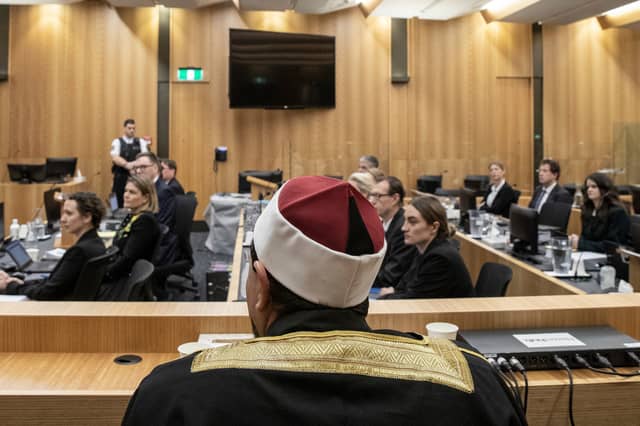

An inquiry that began on Tuesday into New Zealand’s worst mass shooting will examine – among other issues – the response times of police and medics and whether any of the 51 people who were killed could have been saved.
The coroner-led inquiry comes more than four years after a white supremacist opened fire at two Christchurch mosques during Friday prayers.
The inquiry represents the first time authorities will outline the details of how they responded to the shooting in March 2019.
After the attack, New Zealand politicians moved quickly to change gun laws, banning assault weapons and buying back more than 50,000 guns.
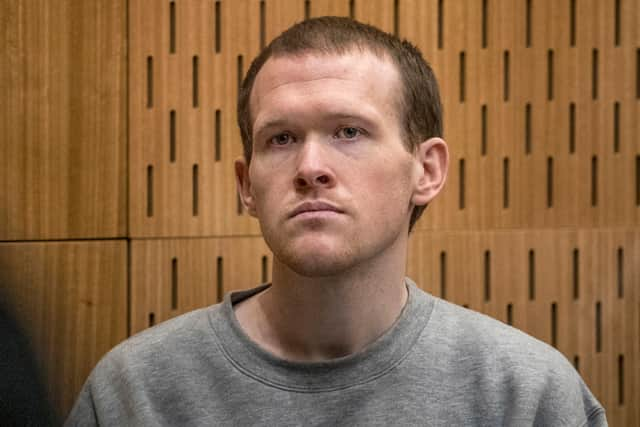
The Australian gunman, Brenton Tarrant, in 2020 pleaded guilty to 51 counts of murder, 40 counts of attempted murder and one count of terrorism.
He was sentenced to life in prison without the possibility of parole.
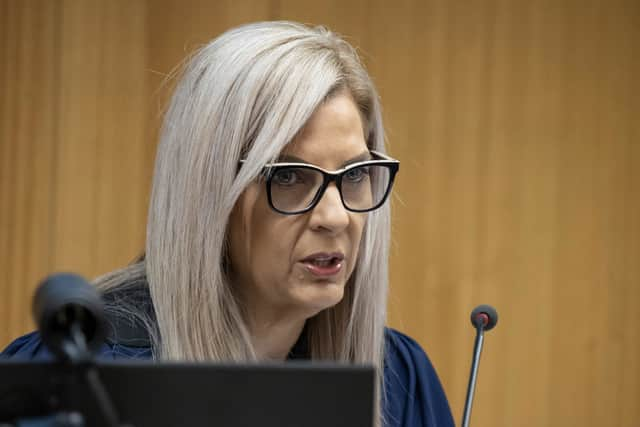
Coroner Brigitte Windley said the idea behind examining the mass shooting was to see if there were ways to reduce deaths in any future incidents.
She said most people killed that day died instantly or very rapidly, but for some there were questions over whether alternative medical triage or treatment would have made a difference.
“For a small number, we need to look at the question more closely,” she said.
One of the issues under examination is whether an emergency door in the Al Noor mosque was functioning at the time of the shooting — and if not, why not.
After the online tribute, the court played a timeline of events, which included emergency calls and some of the disturbing footage the gunman livestreamed from a GoPro helmet camera during the attack. The footage had been edited to avoid showing any victims being shot.

He gave evidence that the shooting began at 1.40pm at the Al Noor mosque, where 44 people were killed, and the first emergency calls began about a minute later. The gunman then drove away and started shooting at the second mosque, the Linwood Islamic Centre, where another seven were killed.
He said that after establishing a safe forward point, police entered Al Noor at 1.54pm and searched it a number of times and began initial treatment of patients. He said they were concerned an object in the mosque might have been a homemade bomb.
The gunman was caught by police at around 2pm after they spotted him driving and rammed him off the road. Ambulance staff entered the Al Noor mosque at 2.15pm, Mr Farrant said, and began removing victims eight minutes later.