
Intersex activist who felt like ‘alien’ for years campaigns for mandatory newborn screening to help end silent suffering
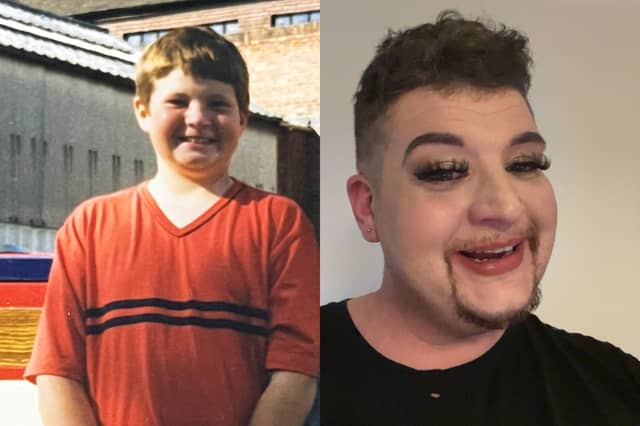

An intersex activist who felt like an “alien” for years is campaigning for mandatory newborn screening to help identify the condition “from day one” to stop others suffering in silence like they did.
John Junior, a 36-year-old mental health campaigner from Manchester, said they felt misunderstood and “different” throughout their childhood, and they began to self-harm around the age of eight.
John, who uses they/them pronouns, was diagnosed with Klinefelter syndrome – where boys and men are born with an extra X chromosome – at age 11, which helped their feelings “make sense”.
According to the NHS, usually, a female baby has two X chromosomes (XX) and a male has one X and one Y (XY), but in Klinefelter syndrome, a boy is born with an extra copy of the X chromosome (XXY).

John now identifies as genderfluid but said they continue to face challenges, including people fetishising their condition and having no sex drive.
John told PA Real Life: “I didn’t feel like a little boy, I felt like there was nothing inside, I felt like I was not from this planet.
“That sounds pretty crazy, maybe delusional, but that’s how I felt.
“I felt like an alien… and in year four, I remember having a wee and looking at my todger and just thinking, ‘What’s this? It doesn’t feel like mine’, because inside you feel different to how you look.”
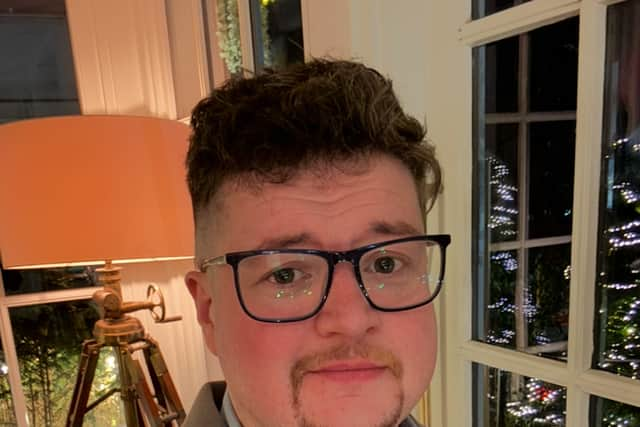
Their self-esteem was extremely low, and they often felt like they “didn’t belong”, initially believing it was solely due to the bullying.
They said: “It was like everything was all too much, people didn’t understand me.
“I didn’t understand what was going on – I knew I was different from other boys, but I couldn’t explain myself or express it… I just felt all alone.
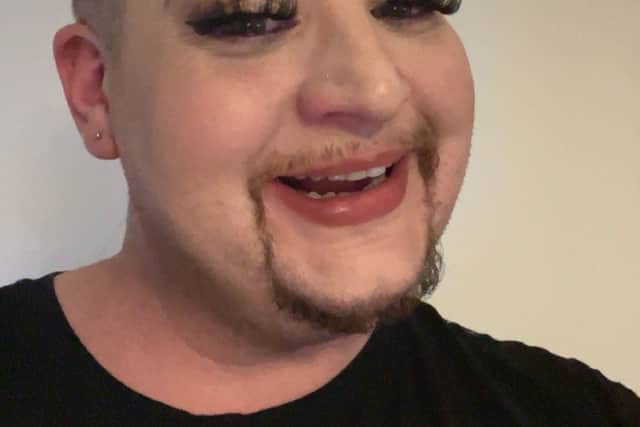
These feelings of being misunderstood led them to self-harm from around the age of eight, and they experienced suicidal thoughts for “years on end”.
In secret, John used to wear their mum’s clothes and, after she found out and John told her it “felt good and normal”, she was “very supportive”.
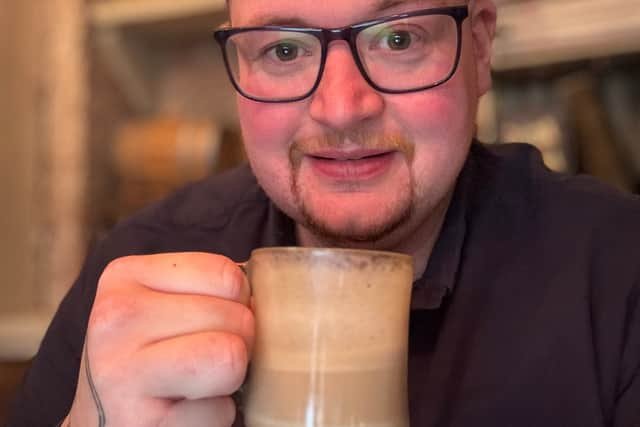
John said doctors explained they could live a “normal life”, but would need testosterone replacement therapy for the rest of their life.
According to the NHS, intersex – also known as differences in sex development – refers to conditions where a person’s sex characteristics do not fit typical male or female patterns.
This means the body does not produce the usual levels of testosterone – the hormone responsible for developing male characteristics such as testes, body hair, bone strength and fertility.
John said: “It made sense – I thought maybe that’s to do with how I was feeling, and my mum thought the same.
“I almost had a bit of closure and, as time went on, I started feeling better within myself – but it was very confusing.”
As they grew older, John also noticed anatomical differences.

“It’s difficult to explain – I like to wear make-up but I’m not trans, I like having my beard too,” John explained.
“I think everyone wants a label and I don’t really feel the need to have a label.”

The condition also means John experiences low libido, which can make romantic relationships even more difficult.
“I’m going to drop the mic now – I’ve never felt horny in my life,” they said.
“I don’t know what that feels like, I’ve done my research but I’ve never had that rush.

John now shares their experiences on TikTok under the handle @itsduckman, where they also post videos featuring their toy duck, which they take to most places for comfort.
Since starting the account, John has received messages from others who were born intersex.
“I trust them, I feel instantly connected to these people,” they said.
“I’ve never knowingly met anyone the same as me.”
In many cases, the condition is only discovered if a man undergoes fertility tests later in life, the NHS says, so John has set up a Change.org petition, campaigning for mandatory Klinefelter syndrome newborn screening in all UK hospitals.
“Every child deserves to know their biological reality from day one,” they said.

To others with the condition, they added: “Please reach out to someone and don’t be afraid.
“I know what it’s like to be scared and afraid, but it can get better.”
A Department of Health and Social Care spokesperson said: “It is vital to see a GP regarding any concerns surrounding a child’s development or any symptoms of Klinefelter syndrome.
“Whilst there is no cure, there are treatments available to help manage the condition.
“The UK National Screening Committee (UK NSC) has reviewed the evidence for screening and concluded that there isn’t sufficient evidence to support a population-wide screening programme for Klinefelter syndrome.”
For more information about John’s campaign, visit: www.change.org/p/no-child-has-to-suffer-mandatory-newborn-testing-for-klinefelter-syndrome.
If you have been affected by any of the issues raised in this story, you can contact Samaritans for free on 116 123 or visit www.samaritans.org for confidential support, 24 hours a day.