
‘It was all over’: Woman’s dreams of having children crushed after being told breast cancer had spread and is incurable
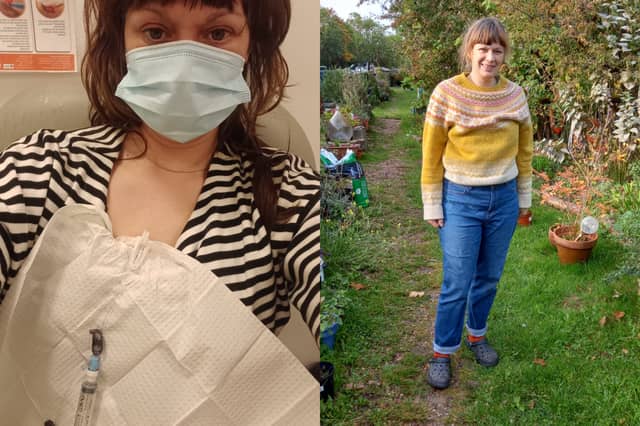

A woman whose dreams of having children were crushed after she began her IVF journey and was then told her breast cancer had spread to her lungs, liver and bones and is incurable has said she hopes that with more research and funding fewer lives are taken by this “exploitative” disease.
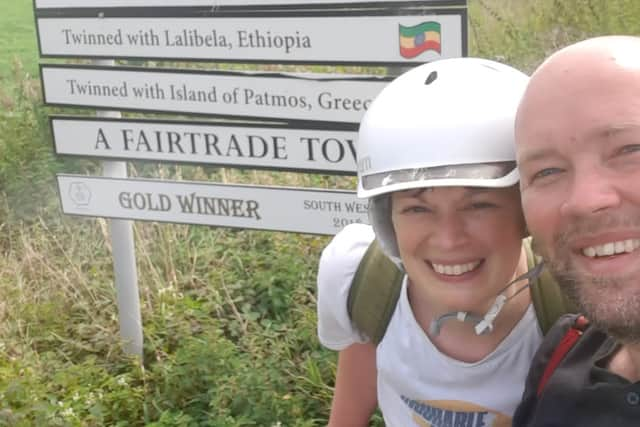
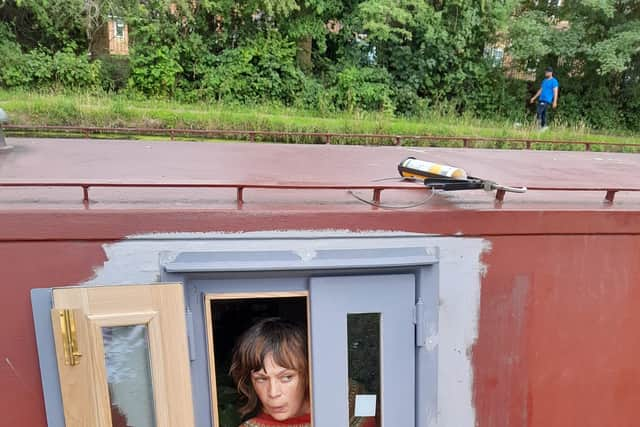
Emma Robertson, 42, a freelancer who lives on a narrowboat in London with her husband Mike, 42, a brewer and musician, started considering having a family towards the end of 2012.
However in early 2013, she discovered she had an “achy” lump in her right breast and, after multiple scans and a biopsy, she was informed she had breast cancer.
However, after then undergoing chemotherapy, radiotherapy, and a single mastectomy, Emma was told the cancer had metastasised – spread – to her lungs, liver and bones and is incurable.
Given she thought she may not survive the year, or even five years post-diagnosis, Emma said she had to “accept” that she could not have children.
“I so desperately wanted to have children but this was all over for me,” Emma told PA Real Life.
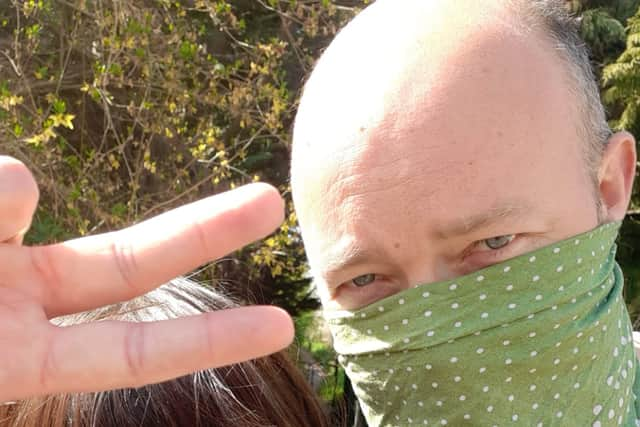
Emma has since married her husband Mike, as she said “life doesn’t stop just because you’re diagnosed with a horrible, incurable illness”, and feels “lucky” to be alive today.
However, her biggest hope is that, with more research and funding, those living with secondary or metastatic breast cancer can live longer lives and have more treatment options.
“I don’t feel hopeful that I am going to somehow miraculously survive this disease, that isn’t the way it works,” Emma said.
“Nobody gets out alive, metastatic breast cancer kills.
“Unfortunately, my breast cancer did escape and move around, and there isn’t a way to put it back in its box.”
She said she knew Mike would be an amazing father and she “wanted to share that with him”.
However, her world was “turned upside down” when doctors discovered a “malignant” tumour in her right breast and she was given her primary breast cancer diagnosis.
“It just felt like everything was catastrophic. Everything that could go wrong seemed to go wrong, all at the same time,” she said.
Emma started the IVF process, freezing three successful embryos before undergoing chemotherapy, radiotherapy, and multiple surgeries, including a single mastectomy.
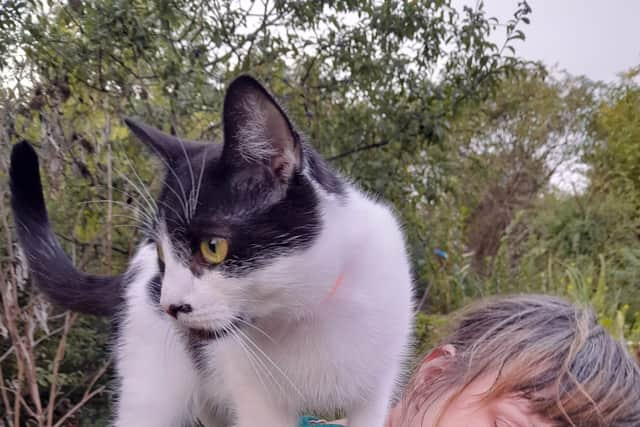
She said she experienced hair loss, nausea, and fatigue as a result of the treatments, and likened the side effects to having “a really bad hangover”.
At the time, Emma believed she would be “cured” and therefore tried to view her cancer journey as a temporary “adventure” – but she then received her “horrifying” secondary diagnosis.
“It was challenging, but I thought I was going to be cured,” she said.
“I jumped through all of the hoops for nine months, thinking that I was giving myself the best possible chance of going back to ‘normal’, whatever normal was.
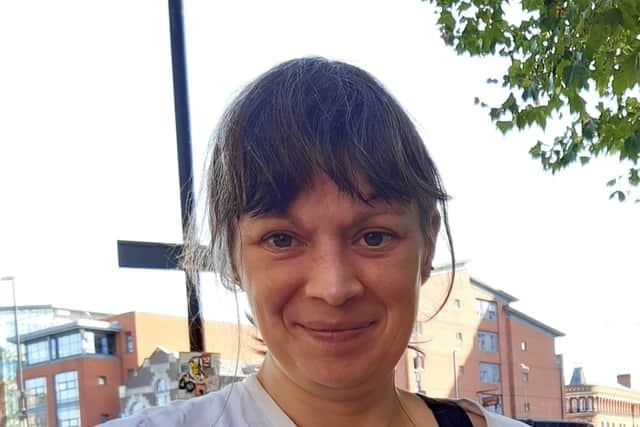
In early 2015, a routine appointment led to the discovery that the cancer had spread to Emma’s lungs, liver and bones, meaning it was treatable but incurable.
She said it felt like a “death sentence” and the option to have children was “taken out of (her) hands”.
“I just felt like we can’t be worrying about that, too,” she explained.
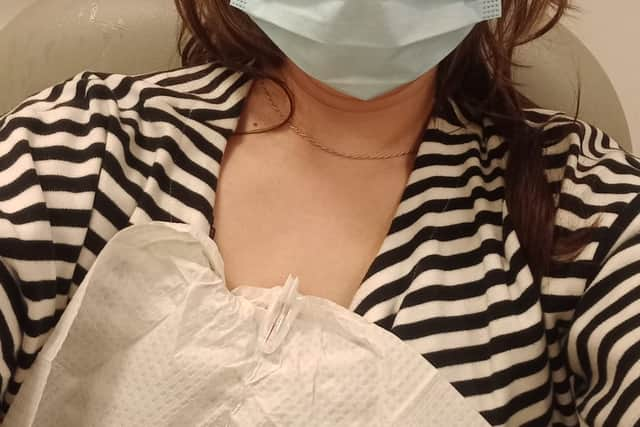
Emma was prescribed an oral chemotherapy drug called Capecitabine, which made her hands and feet “very sore”, adding that it felt like she was “walking around on hot coals”.
She said she stopped taking this medication as the cancer had progressed, and was then given Paclitaxel before taking Letrozole.
This led to Emma campaigning for those with hormone receptor-positive, HER2-negative, locally advanced or metastatic breast cancer to have access to the drug Palbociclib.
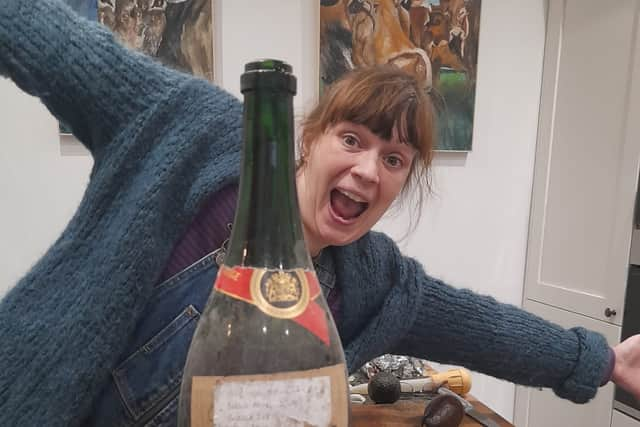
Emma said she feels “incredibly lucky” to be taking this drug to this day as third-line therapy through Pfizer’s free trial, as Palbociclib is recommended as an option for treating previously untreated metastatic breast cancer, meaning she would not be eligible for it.
She believes she “might possibly not be alive” today without it.
Although Emma said there is “no hope with this disease”, she wants to help raise more awareness of secondary breast cancer so that others know they are not alone.
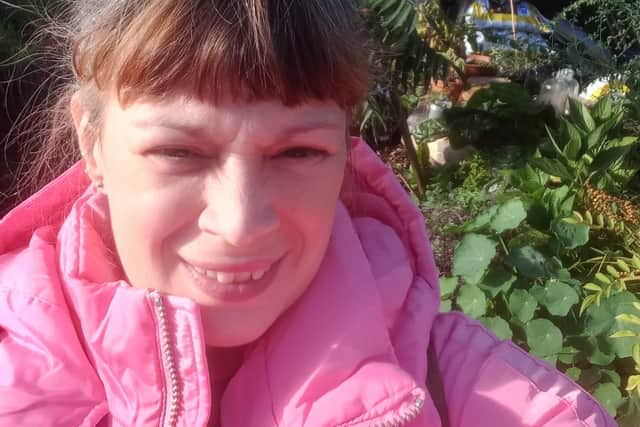
She said: “There is no hope with this disease, there’s no cure for it… I will get to the end of the road where they say, ‘Actually, there is nothing else that we can do’.
“I’ve had metastatic breast cancer for years now, and the number of women who I’ve met who are no longer with us, I think it’s hard to live with that.
“But it’s the research, isn’t it? It’s really about why cancer metastasises and what can be done to identify that risk and pre-empt and prevent it.
“Metastatic breast cancer is exploitative, it looks for the cracks and creeps in through them, so in terms of treatments, we need professionals who are going to think outside the box.”
Emma is part of a new film created by the research and support charity Breast Cancer Now, called Stories Of Secondary, which features nine women talking candidly about living with secondary breast cancer. The film can be viewed here: youtube.com/watch?v=Fh6WuUOeJT4.