
Jeremy Hunt: Chancellor who tried twice to win Tory crown
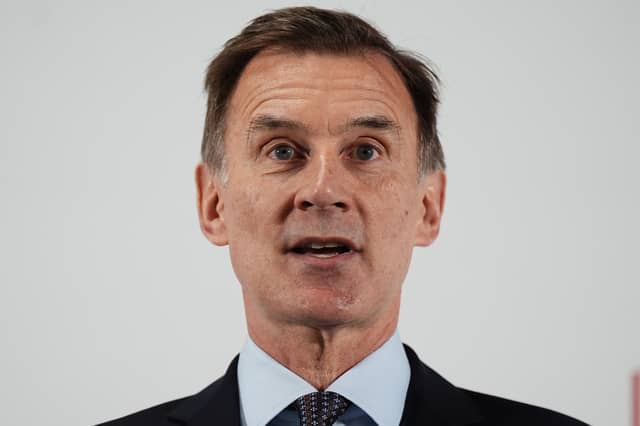

Former chancellor Jeremy Hunt, one of the Conservative Party heavyweights who managed to hold onto his seat on election night, tried twice to become Tory leader.
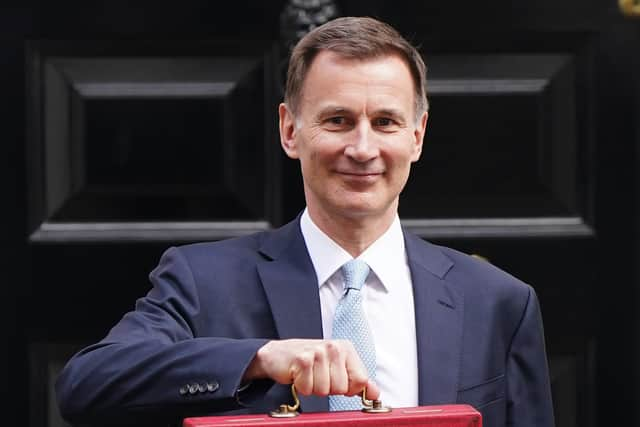
He was responsible for controlling how the nation’s money was spent at a time of soaring living costs, taking on the role of Chancellor of the Exchequer after then Prime Minister Liz Truss’s mini-budget caused economic turmoil.
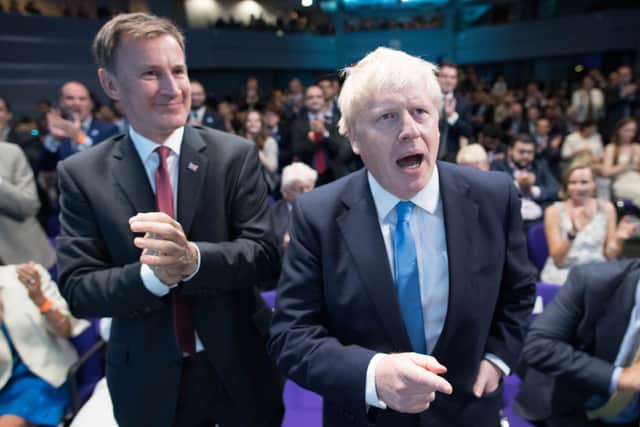
Mr Hunt’s attempts to take the Tory crown in 2019 were scuppered when Boris Johnson got the top job.
His referendum vote for the UK to remain in the EU was said to have worked against him .
He was also knocked out of the leadership race in 2022.
He backed Rishi Sunak over Ms Truss, and was later appointed Chancellor.
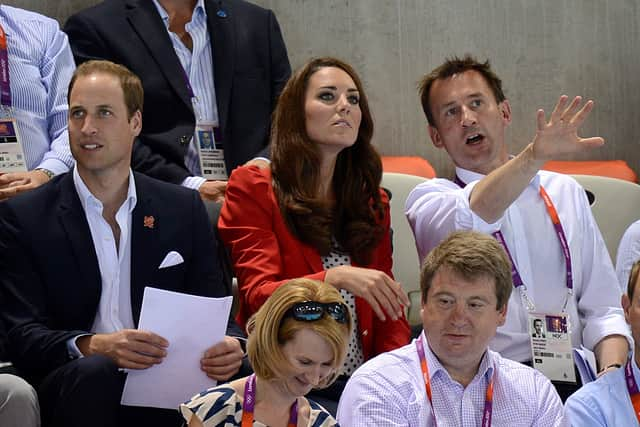
In 2018 when he was foreign secretary, he embarrassingly got his wife Lucia’s nationality wrong during a meeting in Beijing, saying: “My wife is Japanese … my wife is Chinese. Sorry, that’s a terrible mistake to make.”
Like Mr Johnson, the then foreign secretary refused to call then US president Donald Trump racist for telling four Democratic US congresswomen to “go back” to where they came from, even though all were American and only one was born overseas.

Self-made millionaire Mr Hunt was a keen fan of the lambada, describing it as an “intimate dance”.
The Chancellor has a distinctly privileged background.
His father, Sir Nicholas Hunt, was an admiral, and he was educated at the prestigious Charterhouse school before reading politics, philosophy and economics at Oxford.
He then added “that is almost as naughty as wheat fields”, in a reference to Theresa May’s much ridiculed claim that the naughtiest thing she had ever done was run through crops in the countryside.
Before entering Parliament, Mr Hunt had a career as an English teacher in Japan and as an entrepreneur.
In 2009, he was ordered to repay more than £9,500 in second home expenses after a sleaze watchdog found him in breach of Commons rules.
He had allowed his agent to stay rent-free in the taxpayer-subsidised home.