
Judge in Trump’s classified documents case expected to set trial date
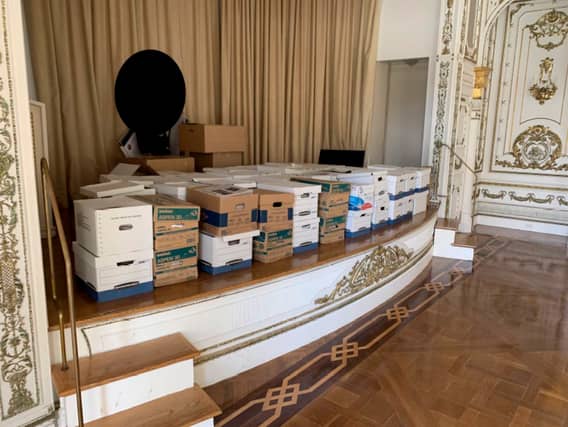

The federal judge overseeing the classified documents prosecution of Donald Trump is expected to set a trial date on Friday.
It is a crucial decision that could affect whether the former president and leading Republican candidate faces a jury this year on charges that he hoarded top secret records and hid them from government investigators.
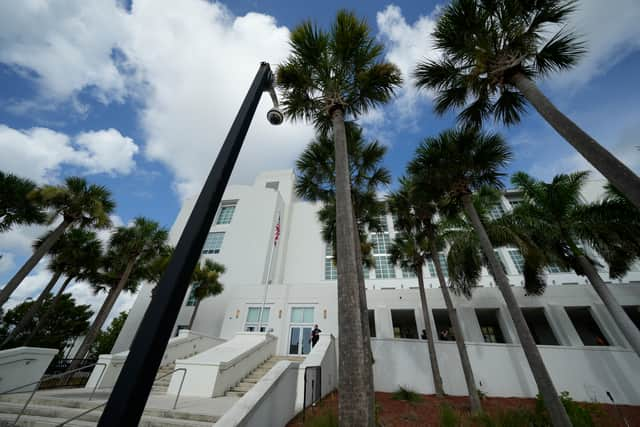
The trial, in federal court in Fort Pierce, Florida, is currently set for May 20. But US District Judge Aileen Cannon has already postponed multiple dates in the case and signalled that she would revisit the trial date during a pivotal hearing on Friday.
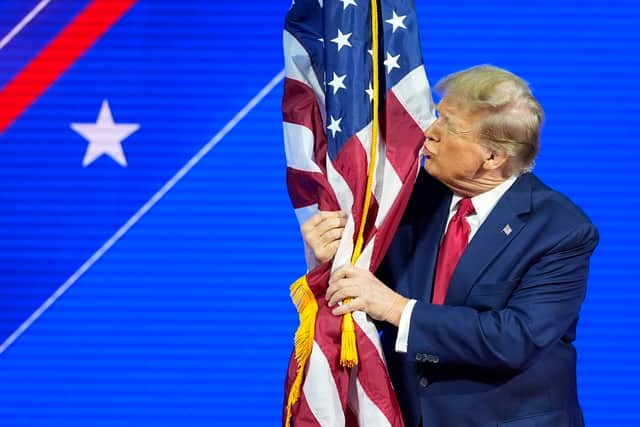
The trial date has taken on added significance in light of the uncertainty surrounding a separate federal case in Washington charging Mr Trump with scheming to overturn the 2020 presidential election.
The Supreme Court said this week that it would hear arguments in late April on whether Mr Trump as a former president is immune from prosecution, leaving it unclear whether that case — also brought by special counsel Jack Smith — might reach trial before the November election.
If the Florida classified documents case were to be postponed until after the election, and if the Washington election subversion case does not take place this year, that would mean voters would head to the polls without two blockbuster federal prosecutions — both alleging felony charges — being resolved by a jury.
The highly anticipated hearing is the first public one in months in the case. It comes as prosecutors have sought to lay bare the gravity of the allegations against Mr Trump and amid signs of simmering tensions between Mr Smith’s team and Judge Cannon on the question of whether names of potential witnesses in the case could be disclosed by the defence on the public docket.
Prosecutors in recent court filings have stressed the scope of criminal conduct that they say they expect to prove at trial, saying this week in one brief that “there has never been a case in American history in which a former official has engaged in conduct remotely similar to Trump’s.”
They allege, for instance, that wilfully Mr Trump intentionally held onto some of the nation’s most sensitive documents after he left office — only returning a fraction of them upon demand by the National Archives — and then urged his lawyer to hide records and to lie to the FBI by saying he no longer was in possession of them.
He is also charged with enlisting staff to delete surveillance footage that would show boxes of records being moved around the property.
Mr Trump and his lawyers have denied any wrongdoing. They asked the judge last week to dismiss the case, citing among other arguments the same immunity theory now being considered by the Supreme Court.
Among the issues issue expected to be discussed at Friday’s hearing is a dispute over whether defence lawyers can file publicly on the docket a substantially unredacted motion that would identify potential witnesses for the government and details of their expected testimony — information they were given by prosecutors under a protective order.