
Justice secretary calls for UK-wide inquiry into miners’ strike compensation
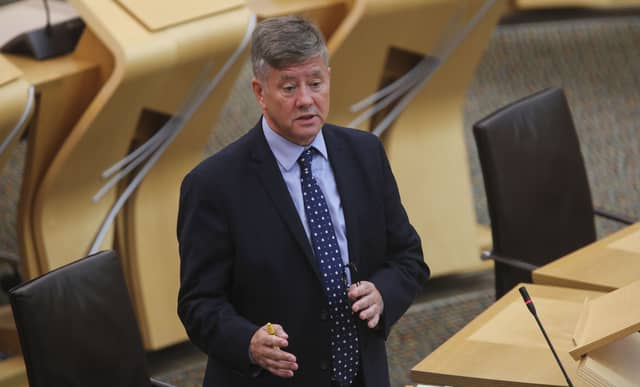

Scottish justice secretary Keith Brown has said the UK Government should consider launching an inquiry into the miners’ strike and a possible compensation scheme for those convicted of crimes throughout the 1984-85 dispute.
The Miners’ Strike (Pardons) (Scotland) Bill was passed unanimously on Thursday, with 117 votes in favour of collectively pardoning miners convicted of offences such as breach of the peace, obstructing a police officer, breach of bail and theft.
Due to convictions, many miners who subsequently lost their jobs after pits closed in Scotland lost out on redundancy and pension payments.
Mr Brown said the “landmark” legislation will go some way to aid reconciliation.
“The miners’ strike was one of the most bitter and divisive industrial disputes in living memory,” Mr Brown said.
“I very much sympathise with miners who lost out on redundancy payments and pension rights as a result of being sacked by the National Coal Board after being arrested or convicted for actions while participating in the strike.
“By securing this pardon, we have done what we can within our powers to restore dignity to individuals who meet the qualifying criteria and their families.
“It is now right that the UK Government recognises the passing of this historic legislation and gives further consideration to a UK-wide public inquiry and the payment of compensation to former miners.”
Mr Brown confirmed he has written to Home Secretary Priti Patel, urging her to reconsider her position on the Bill.
Former Scottish Labour MSP Neil Findlay led the campaign to pardon miners when he sat as a member for the Lothian region. He echoed Mr Brown’s calls for a UK-wide inquiry.
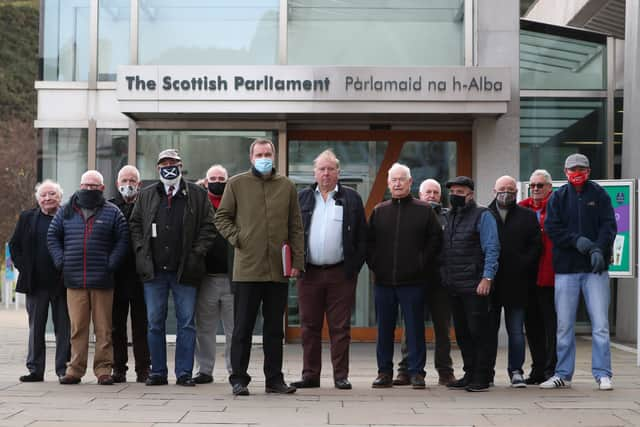
“With the outstanding support and determined campaigning by former miners, the NUM, Thompsons solicitors and supportive parliamentarians, we have together delivered this outstanding victory.
“Whilst it is disappointing that the Scottish Government rejected a compensation scheme for those affected, the state has now recognised these men were the victims of a grave injustice. We now need a UK-wide public inquiry.
“But today is a great day and everyone involved should be proud of the part they played.”
Speaking to BBC Reporting Scotland, former miner Alex Bennett, who was arrested at Bilston Glen Colliery in Midlothian, said: “They didn’t just dismiss us, they made sure we were blacklisted. I couldn’t get a job anywhere.
“The pardon means it clears our name, that I’m no longer a criminal, a threat to society, as they would have you believe at the time.”
Nicky Wilson, president of the National Union of Mineworkers (Scotland), said: “The NUM welcomes the passing of the Miners’ Pardon Bill.
“It removes the stigma of a criminal record given to miners who were striking to save their industry, jobs and communities which led to their convictions and sacking in some cases.”