
Kate Forbes hails Scotland’s forestry sector as ‘sustainable powerhouse’
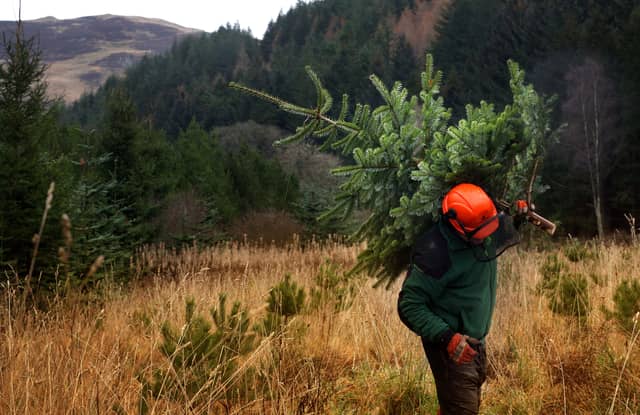

Scotland’s forests are a “sustainable powerhouse”, Deputy First Minister Kate Forbes has said, as a report showed the sector is worth more than £1 billion a year to the country.
A new study, produced for the Scottish Government, found an estimated 34,140 people are employed in the sector, which contributes £1.1 billion per year to the economy.
The results are for 2019 but the report stressed that the forestry sector – which also includes forestry tourism – has a “far-reaching impact across the economy” in Scotland.
It said: “Given the geographical spread of woodlands, support services, processing facilities and tourism activities, the economic benefits of forestry are distributed widely across Scotland, including more remote areas.”
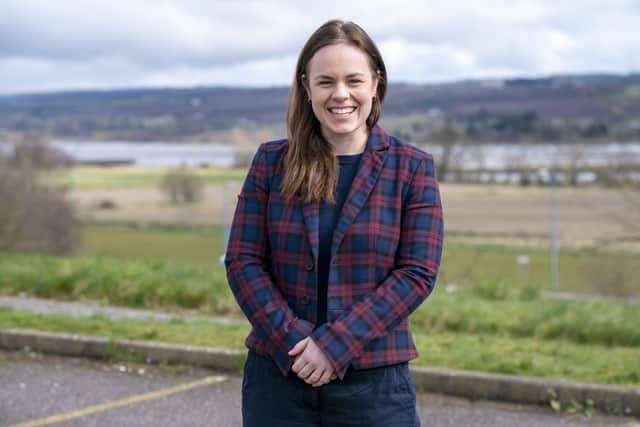
Ms Forbes, who launched the report on a visit to a mill near Inverness which is a leading global manufacturer of wood-based panels, said it showed that “Scotland’s forests and woodlands are a sustainable powerhouse”.
The Deputy First Minister added that forests and woodlands “support a growing number of jobs, many in rural communities, and make an increasingly important contribution to Scotland’s economy”.
She said: “The Scottish Government is committed to expanding our forests and woodlands and ensure they continue to provide multiple benefits for Scotland.
“Scottish Forestry is working closely with the sector to maximise future woodland creation with the resources available.
“Scotland is creating nearly 75% of all the new woodlands in the UK and last year saw the highest level of woodland creation in 34 years.”
Pat Snowdon, head of economics at Scottish Forestry, said: “Forestry is often called a ‘hidden industry’ because there are so many small businesses placed in remote areas working throughout the sector.
“This comprehensive economic study covers a multitude of forestry activities and their important contribution towards boosting the economy of Scotland.
“The findings provide a snapshot of the different ways forestry generates income and employment across Scotland.”
Stuart Goodall, chief executive of the forestry and wood trade body Confor, said it was an “increasingly important industry” which has “experienced strong growth”.
He added: “To have increased levels of employment by 30% and annual economic impact by more than 15% is remarkable in the face of unprecedented economic challenges.
“It is testament to the resilience and ingenuity of people working in the sector, hundreds of millions of pounds of investment by businesses, and growing demand for wood as a low-carbon material.”