
King’s role appointing prime minister as country goes to polls
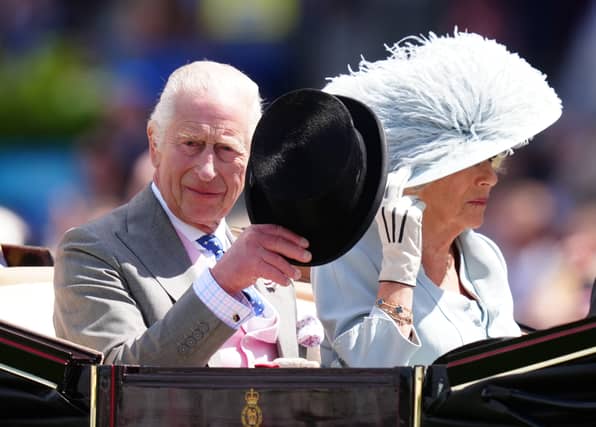

It is the King’s duty as head of state to appoint a prime minister.
The role is one of the few remaining personal prerogatives of the sovereign – Charles does not act on advice nor need to consult anyone before doing so.
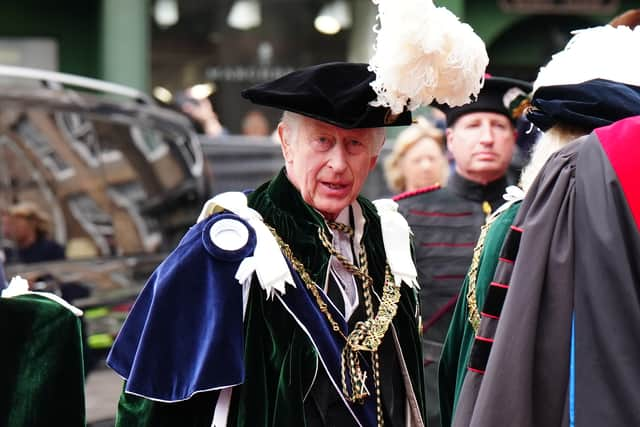
The King will be guided by constitutional conventions and, if he chooses, can seek advice from any outgoing prime minister, other political leaders, senior privy counsellors, or whomever he pleases within the limits of prudence and caution.
Charles could be set for the third prime minister of his reign, if Sir Keir Starmer leads the Labour Party to victory.
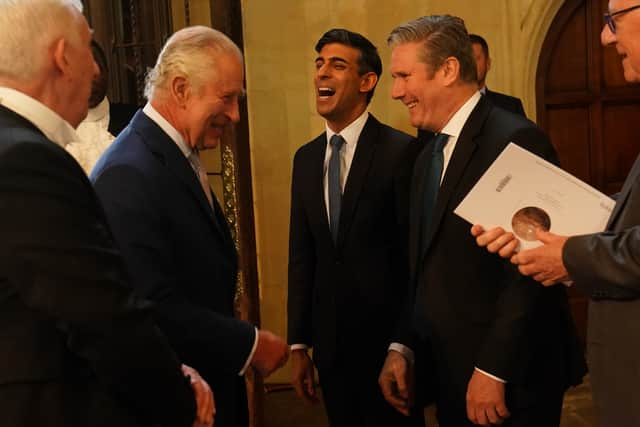
Following a busy run of engagements in Edinburgh for Holyrood Week, the King is travelling from Scotland to Windsor Castle, ready to be on stand-by.
It will be the first time he has appointed a prime minister following a General Election, and the major constitutional duty comes as he continues apace despite his treatment for cancer.
Depending on the election outcome, Charles is set to hold a private audience with the leader of the winning party at Buckingham Palace in London on Friday, the day after the country goes to the polls.

The most usual response is acceptance.
The Court Circular, the official record of royal engagements which is published the next day, will record that the politician was requested to form “a new administration” and “kissed hands on appointment” as “Prime Minister and First Lord of the Treasury”.
The kissing of hands is usually just a handshake, with the actual kissing of hands taking place later at a Privy Council meeting.

The politicians are usually accompanied by their spouses or partners, sometimes also taking along their children to witness the historic moment.
In two weeks’ time, the King will be required to carry out the State Opening of Parliament on July 17 – which is also the Queen’s 77th birthday.
He will deliver the King’s Speech, setting out the new Government’s agenda for the coming session, outlining proposed policies and legislation.

The State Opening will be the second of the King’s reign, although he previously stood in for his mother, the late Queen, in 2022 after she was advised by her doctors not to attend.
The King is a constitutional monarch who must remain politically neutral.
He will not be casting his own vote at the ballot box.

Similarly, working members of the royal family also traditionally refrain from voting or standing for election.
The royal family postponed engagements “which may appear to divert attention or distract from the election campaign” after Mr Sunak called a surprise summer election.
One of Queen Elizabeth II’s last duties, two days before she died, was to appoint Ms Truss as prime minister at Balmoral.
Fifteen prime ministers spanned the late Queen’s 70-year reign.
Winston Churchill – with whom she had a close friendship – was her first, and Ms Truss her last.