
Labour to be reduced to 10 members in ‘deeply’ disappointing Welsh elections
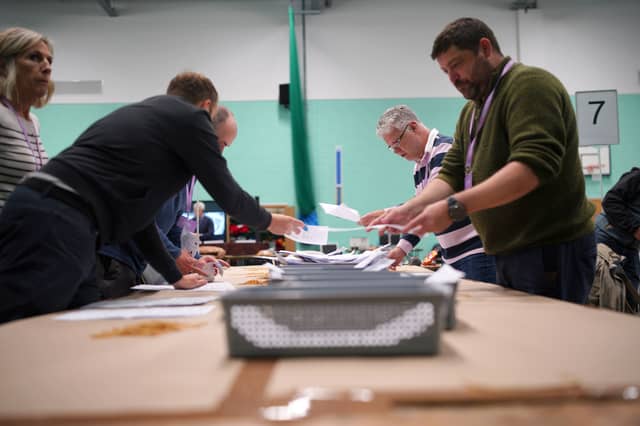

Welsh Labour expect to be reduced from 29 to around 10 members in the Senedd, with a party spokesperson saying they are “deeply disappointed” they will not lead the government.
It comes after Labour’s deputy leader in Wales appeared to concede a historic defeat in the Senedd elections, with the party also suffering disastrous local election results in England overnight.
The party has been the largest at country-wide elections in Wales for more than a century and had won the most seats in the Welsh Parliament since its creation more than two decades ago.
But after Wales went to the polls on Thursday, Labour is bracing itself for a brutal set of results in its former heartlands.
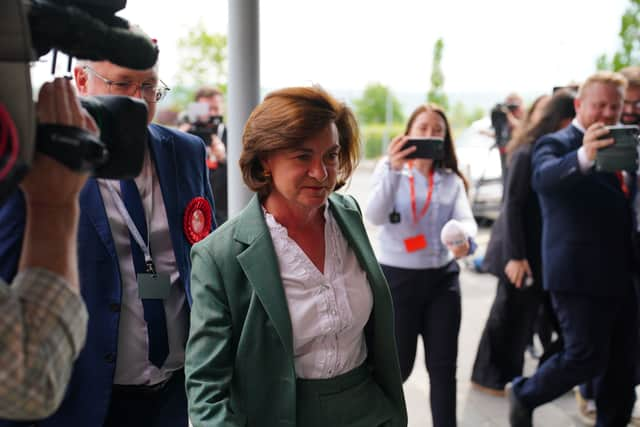
Eluned Morgan, the Labour First Minister of Wales, is predicted to lose her seat in West Wales.
Elsewhere, Reform and Plaid Cymru performed strongly as the results of the ballot emerged.
Dan Thomas, Reform’s leader in Wales, won a seat in the Casnewydd Islwyn constituency, while Rhun ap Iorwerth, the Plaid Cymru leader, will return to the Senedd for the new Bangor Conwy Mon constituency.
Plaid are expected to be the largest party in the new Senedd, polling expert Professor Sir John Curtice said in a forecast for the BBC.
A Welsh Labour spokesperson said: “This has undeniably been a very difficult election for Welsh Labour.
“We now expect to lose several hardworking and respected Members of the Senedd. We thank them for their service to their communities.
First Minister Baroness Morgan is expected to speak at the count in Llandysul after the Ceredigion Penfro results are declared.
The spokesperson added: “We do not have the final result but we’ve always known it was going to be a hard fight for Ceredigion Penfro.

Under the new voting system in Wales, there are 16 constituencies, each represented by six members of the Senedd – resulting in a total of 96 being elected.
Before the election, Labour held 29 seats in the Senedd, just under half of the 60. Ten members under the new system would see them have around a tenth.
Huw Irranca-Davies, the deputy first minister, earlier suggested he accepted Labour would not return to power in Wales as ballots were being counted across the nation.
Asked by the BBC if Labour would be in a position to form the next Welsh government, he replied: “I don’t think we’re going to be in that situation.”
Mr Irranca-Davies insisted Welsh Labour had put forward a “very positive manifesto”, adding: “I think it has been a good manifesto, it really has, and we have tried to argue on policies and also the next chapter for Wales.
“But if it hasn’t cut through to the people of Wales, we’re not going to be in that position then to actually form the next government.”
Labour sources in Wales had earlier indicated the party’s vote had collapsed in Blaenau Gwent Caerffili Rhymni and said it would be a “struggle” to hold on to one seat – out of a total of six – in the constituency.
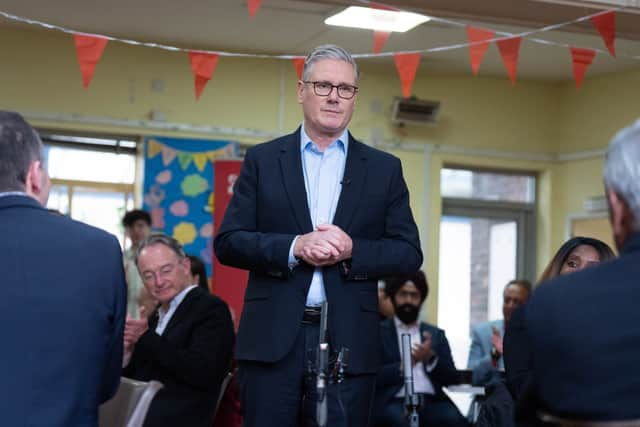
Plaid Cymru and Reform have topped opinion polls throughout the election campaign.
A Plaid Cymru source said: “From what we have so far… It’s looking good.”
The Labour vote has “collapsed”, they added.
And arriving at the Bangor Conwy Mon election count in Llandudno, Plaid Cymru leader Mr ap Iorwerth said he was hearing “lots of positive noises across Wales”.
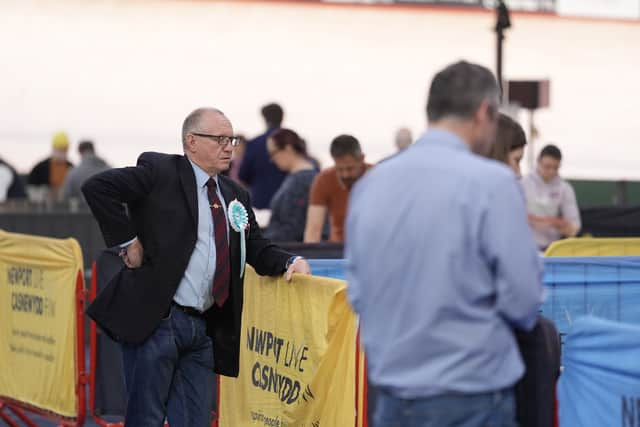
Helen Jenner, Reform’s deputy leader in Wales, told PA things were looking “very positive” for the party, but admitted Plaid Cymru had been “strong contenders”.
She said: “We are stronger in some parts than others… Some areas we’re very, very much neck and neck with Plaid, actually it’s quite reflective of what the polls have been saying.
“Obviously, we’ve done amazingly well across the border… Here, I think Plaid Cymru have been strong contenders and there might be an element of tactical voting as well.
“There is a bit of tactical voting that’s gone on, I think.
“However, I think we’re doing really, really well, and there’s pockets where we’re doing exceptionally well.”
Mainstream, a soft-left group within the Labour Party, laid the blame for its losses in Wales squarely at the door of the Westminster Government.
Kerry Postlewhite, chairwoman of the Mainstream interim council, said Labour and Wales have “shared a political bond forged over generations”, adding: “This is not the time for defensiveness or excuses from Westminster; this is a defeat manufactured in Westminster.”