
Leading genetics research study at Glasgow hospitals reaches 2,000 patients
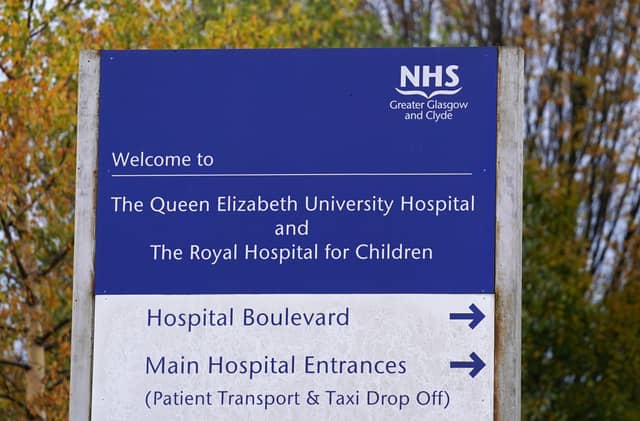

A research study exploring how genetics can help personalise medicines in Glasgow hospital’s has now reached over 2,000 patients.
The Phoenix trial, led by NHS Greater Glasgow and Clyde and the University of Glasgow, is examining how a simple genetic test can help doctors choose the safest and most effective medicines for patients.
The aim is to reduce side effects and improve patient outcomes.
Patient Matthew McKinnon, 88, is one of the over 2,000 patients taking part in the trial after being admitted to the Queen Elizabeth University Hospital (QEUH) when he suffered a stroke.
Mr McKinnon’s testing resulted in his medicine being changed, in the hope of preventing future strokes and blood clotting.
He said: “I filled in a consent form, and I provided a cheek swab that was used to test my DNA and my genes, and this information was then used to try and match my medicine to me.
“Within quite a short time they said they were changing my medicine where my statin was changed to another medication with lower risk side effects.
“They said people react differently to medicines because of the way your body breaks it down.
“So they said they were matching my medicine to my genes so that it can have the maximum effect. It sounded quite exciting to me.”
The trial is open to adult in-patients of all ages in the QEUH who are being treated in a range of different specialties including cardiology, stroke, orthopaedics and gynaecology.
Professor Sandosh Padmanabhan, a consultant at the QEUH and Pontecorvo chairman of pharmacogenomics at the University of Glasgow, is the study’s chief investigator.
He said: “This milestone of more than 2,000 participants is a significant achievement and reflects the willingness of patients to help shape the future of healthcare.
“Phoenix is showing how we can move away from a ‘one-size-fits-all’ approach and instead use genetic information to guide treatment decisions, helping to make medicines safer and more effective for each individual patient.”