
London woman diagnosed with breast cancer at 37 dismissed symptoms as tiredness from motherhood before she found a lump
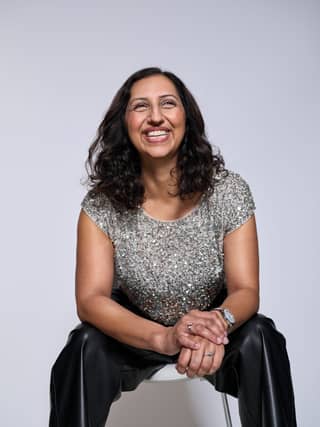

A London mother-of-two who was diagnosed with triple positive breast cancer at 37 has said the medically-induced early menopause she went through has been “harder” than chemotherapy.
Physiotherapist Anj Periyasamy, now 41, said her specific type of breast cancer is “fed by hormones” so she essentially needs to keep her ovaries “asleep”, meaning she cannot use HRT to ease her list of symptoms which includes night sweats, hot flushes, mood swings, low libido, hair thinning, muscle aches and tendon pain.
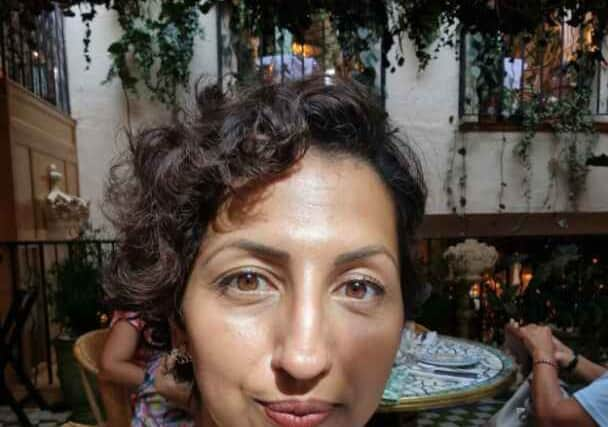
“I cried in front of my oncologist and I was just like, ‘This is unbearable and I just can’t do this. I’m drenched (in sweat from hot flushes) half the time. My tendons are painful. It’s affecting my mood. I don’t know if it’s a post-chemo fallout and I don’t know if it’s post-menopause fallout’. And he assured me it was probably menopause.
“I knew chemotherapy would be temporary, but menopause psychologically gets to you, as well as physically.”

Anj said she thought that it was “probably nothing” but “something just didn’t sit right”, so she had a virtual GP appointment where she was encouraged to get an in-person examination.
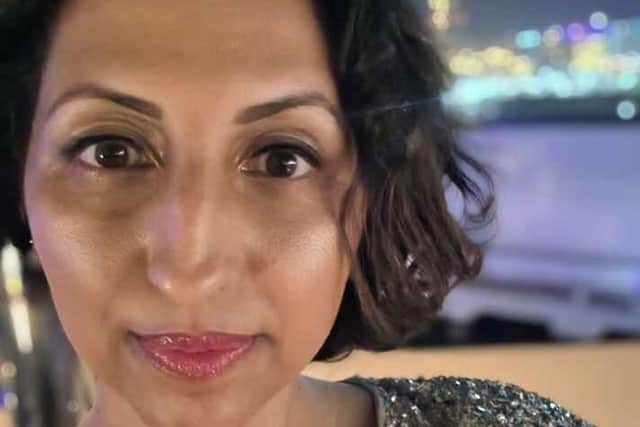
Within a week, Anj was advised to go for an MRI, where she said she looked at the specialist “square in the eye” and asked: “Is this sinister or not? Just tell me straight.”
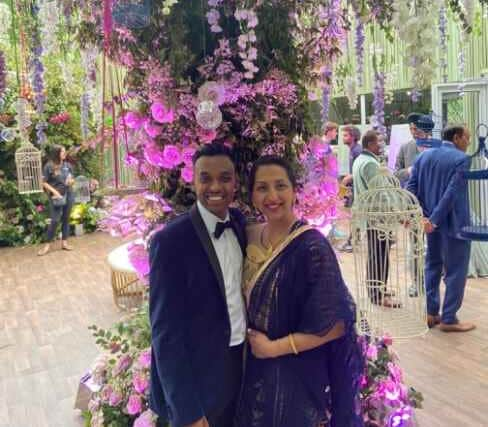
Over the course of the next six months, Anj said she had 16 rounds of chemotherapy, followed by a double mastectomy and breast reconstruction, 15 rounds of radiotherapy, as well as 14 rounds of IV Herceptin (a targeted antibody therapy to inhibit tumour growth) and six rounds of IV bisphosphonates (a medication to strengthen bones).
She said she also had monthly injections of Zoladex and Letrozole to lower her hormone levels and keep her in medical menopause, before she switched to Tamoxifen after two years due to “horrid” side effects.
But Anj said the side effects from menopause were even “harder”.
“I had tendon pain so I couldn’t even go to the gym and exercise properly because my feet hurt,” Anj said.
“The other thing is sexual dysfunction and vaginal atrophy are massive. It’s really demoralising when you can’t have intimacy with your partner.
“The thought of osteoporosis really scares me too because (I’m encouraged) to do weight-bearing exercise and strength work, but then my tendons hurt.
“Unfortunately, because my breast cancer was hormone-fed, I can’t use HRT to dampen the symptoms. I can’t even use certain herbal supplements. No one talks about this.”
Anj said her daughters noticed some of her symptoms, which prompted her to try to have an age-appropriate conversation with them about what she was going through.
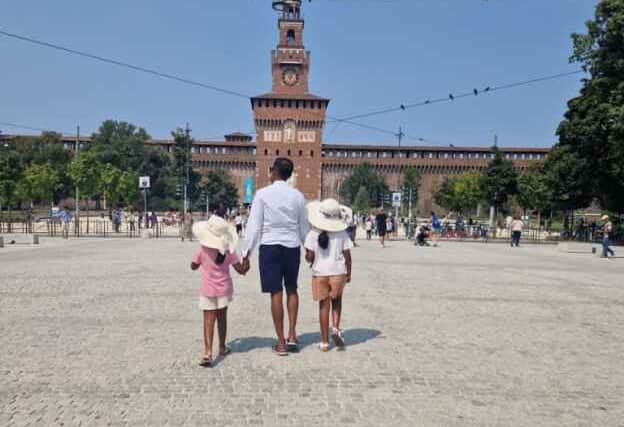
“My two-year-old Maya was just not fussed,” Anj said.
“I then read it to the older one, Jasmin, and she was like, ‘Ok can I go and watch Barbie now?’.”
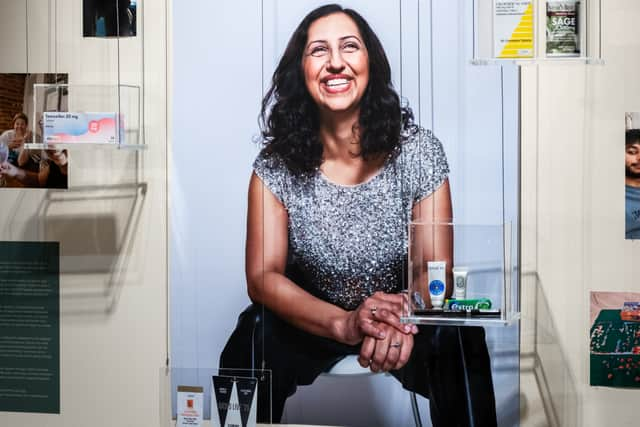
She added: “Jasmin has asked ‘Are you better now, mum?’. That’s always a really hard question to answer because I hope to God I am, but they also want to make sure their mum is around. I never talked about death, but it wasn’t easy for them to see me sick.”
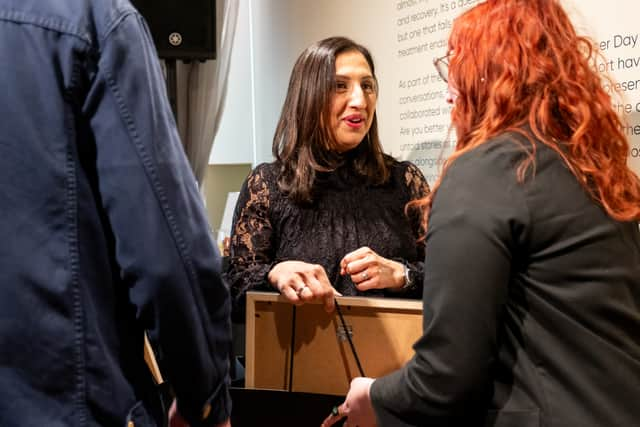
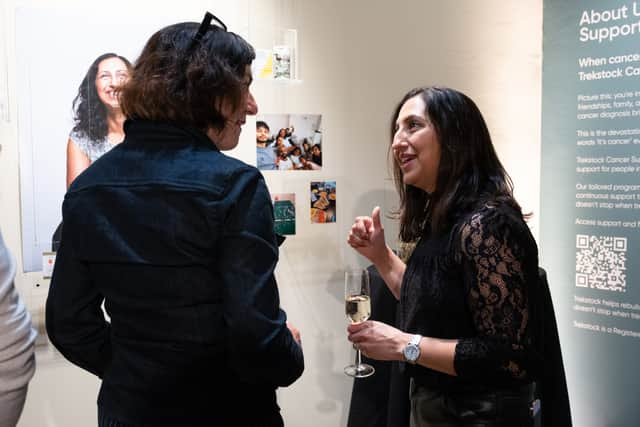
In the aftermath of her diagnosis, Anj said she came across the charity Trekstock Cancer Support via social media, who she was initially going to work with in a professional capacity as a physiotherapist helping to “draw up exercise pathways” for the cancer survivors they work with.
She said: “It was really fun to be there. I did find it was nice because you get to go back over your story and get to (remember) the good and the bad, what you did it for, and why are you telling your story.”
“I think (the exhibition) is a much needed type of platform to raise awareness,” she added.
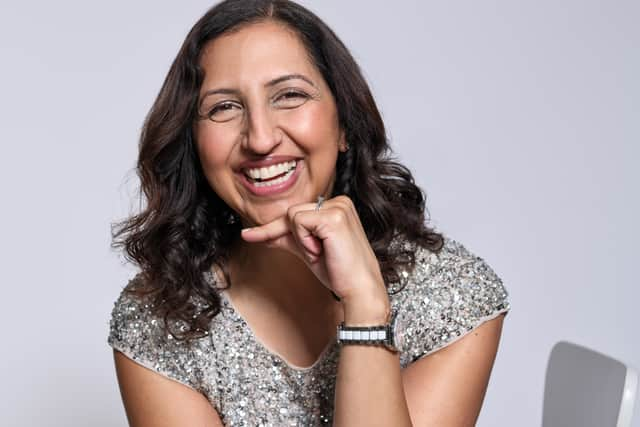
She said she’s sharing her story now because she wants to be visible as a South Asian woman: “There’s not enough education out there, there’s not enough awareness, and there’s not enough people that look like me – young brown women.”
On what she wants her daughters to take from her journey, Anj hoped they would say one day: “I’m proud of you, mummy – you did it.”
She added: “But I also want them to read (about my story) and not be scared. It’s about being empowered and knowing how to get through a life crisis, then survive and thrive afterwards.”
Trekstock Cancer Support’s Are You Better Yet? exhibition runs until March 29 at the FUJIFILM House of Photography in London. You can follow Anj on TikTok here: https://www.tiktok.com/@physiobeatscancer