
Meadows to be established at historic English sites to mark King’s coronation


One hundred wildflower meadows are to be created or enhanced at historic sites across England including Stonehenge and Westminster’s Jewel Tower in celebration of the King’s coronation.
English Heritage said the project would leave a natural legacy by working to restore the country’s lost flower-rich glasslands, in tribute to Charles’s love of the natural world.
Seventy-five of the meadows will be brand new and 25 are existing ones which will be developed.
English Heritage’s chosen locations include 43 castles and forts, 22 abbeys and priories and 10 historic houses.
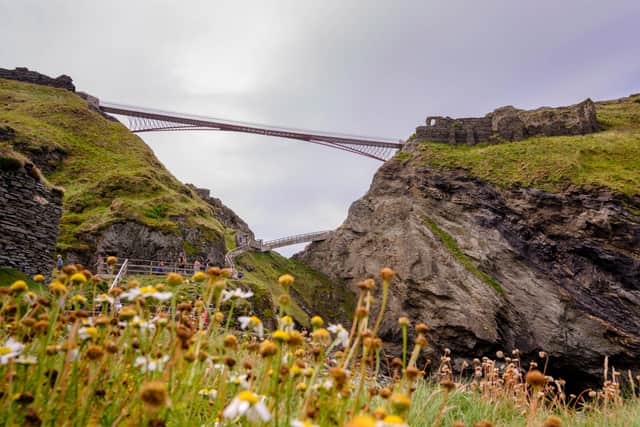
At the world-famous prehistoric stone circle Stonehenge in Wiltshire, a new field of wildflowers is planned for outside the visitor centre to greet people on arrival.
The banks of the monument are already a county wildlife site, with flowers such as orchids found in the outer grassland near the stones.
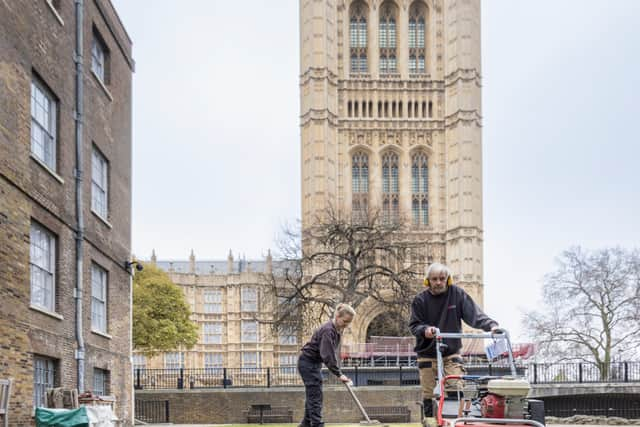
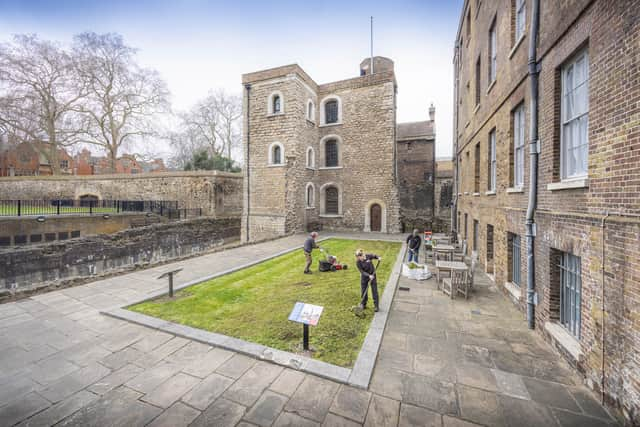
A lawned area, formerly part of the Palace Garden, has been cleared and overseeded with wildflower to create a new native species-rich meadow in the heart of central London.
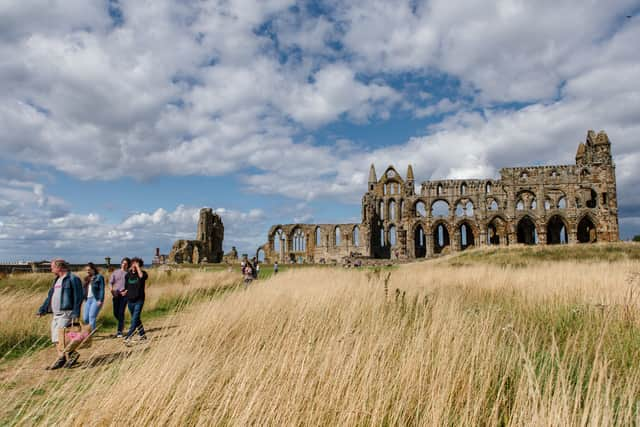
At the gothic ruins of Whitby Abbey, the inspiration for Bram Stoker’s Dracula, a new meadow will be established over a number of years through careful management as part of a long-term project.
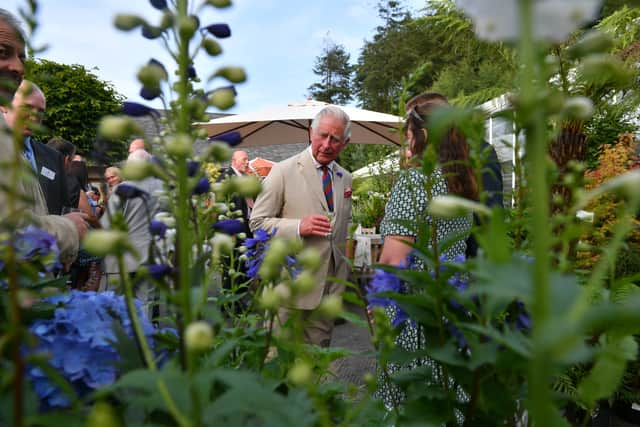
Charles, who will be crowned on May 6, is known to be a passionate gardener who is committed to organic farming, promoting biodiversity and has long campaigned in the fight against climate change.
Kate Mavor, English Heritage’s chief executive, said: “The King’s coronation is a significant moment in history and we wanted to mark it in a meaningful way, in a way that combines two of His Majesty’s passions – nature and heritage.
She added: “In a decade’s time, our coronation pledge will be an inspiring legacy of established, restored and new meadows at 100 of our historic sites – big and small – right across England.”
Working with wildlife groups and volunteers, English Heritage will source seeds from existing meadows in the area to ensure the reintroduction of viable, local species of wildflower to each site.
Plantlife, a charity dedicated to saving wild plants and fungi, is partnering with English Heritage on the initiative, offering resources and skills.
Ian Dunn, Plantlife’s chief executive said the project offered “a lifeline to a hundred key grassland sites and their associated wildlife, and focuses on a chapter of English natural history lost and all but forgotten”.