
Mexican senate approves judicial overhaul after protesters storm chamber


Mexico’s senate has voted to overhaul the country’s judiciary, clearing the biggest hurdle for a controversial constitutional revision that will make all judges stand for election.
Critics fear the change will politicise the judicial branch and threaten Mexico’s democracy.
The legislation sailed through the lower chamber, where Morena and its allies hold a supermajority, last week.
The senate posed the biggest obstacle and required defections from opposition parties.
One appeared to come on Tuesday from the opposition National Action Party (PAN) after a legislator who had previously spoken out against the overhaul took leave for medical reasons and his father, a former governor, suggested he would vote for the proposal.
The senate voted twice on the bill, both times 86-41, with the second coming around 4am.

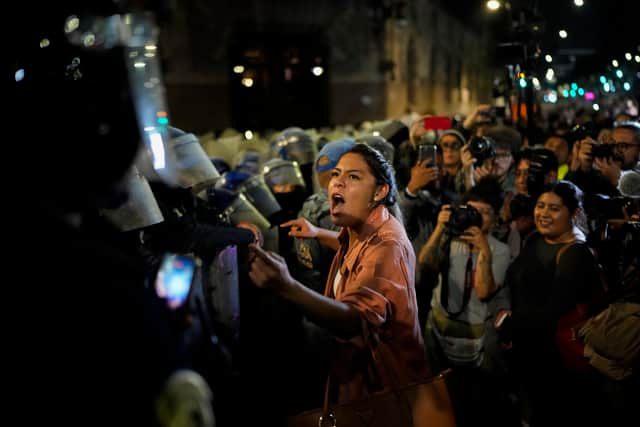
On Tuesday evening, just hours after the ruling party appeared to have wrangled the votes it needed, protesters carrying pipes and chains broke into the senate chamber. At least one person fainted.
The protesters said legislators were not listening to their demands.
“The judiciary isn’t going to fall,” yelled the protesters, waving Mexican flags and signs against the overhaul. They were joined by a number of opposition senators as they chanted in the chamber.
Others outside the court roared when newscasters announced the senate was taking a recess.
Among them was Alejandro Navarrete, a 30-year-old judicial worker, who said that people like him working in the courts “knowing the danger the reform represents” came to call on the senate to strike down the proposal.
“They have decided to sell out the nation, and sell out for political capital they were offered. We felt obligated to enter the senate,” he said, carrying a Mexican flag.

A short time later the senate reconvened in another location and resumed debate on the proposal. An initial vote in favour came shortly after midnight.
The approval came after weeks of protests by judicial employees and law students.
Critics and observers say the plan, under which all judges would be elected, could threaten judicial independence and undermine the system of checks and balances.
Mr Lopez Obrador – a populist long averse to independent regulatory bodies, who has ignored courts and attacked judges – claims his plan would crack down on corruption by making it easier to punish judges.
Critics say it would handicap the judiciary, stack courts with judges favouring the president’s party, allow anyone with a law degree to become a judge and even make it easier for politicians and criminals to influence the courts.
The move has spooked investors and prompted US ambassador Ken Salazar to call it a “risk” to democracy and an economic threat.