
Month by month in a turbulent year for the nation’s wildlife

The National Trust has warned that the extremes of weather – and their impacts on wildlife – seen this year are becoming the norm.
Here is a rundown of how the year played out, month by month.
January: The year got off to a record warm start, with a temperature of 16.3C recorded at St James’s Park, London, on January 1.
Overall, the month was around 0.8C above the 1991-2020 long-term average, and one of the sunniest Januaries, with below average rainfall for most places, and saw Storm Malik and Storm Corrie hit the northern half of the country.
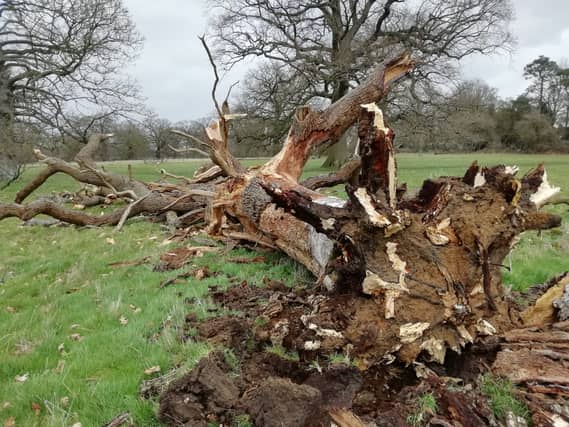
February: Storms Eunice and Franklin brought down trees across the country, including at National Trust estates such as Dinefwr in Wales, Stourhead in Wiltshire, and Wimpole in Cambridgeshire.
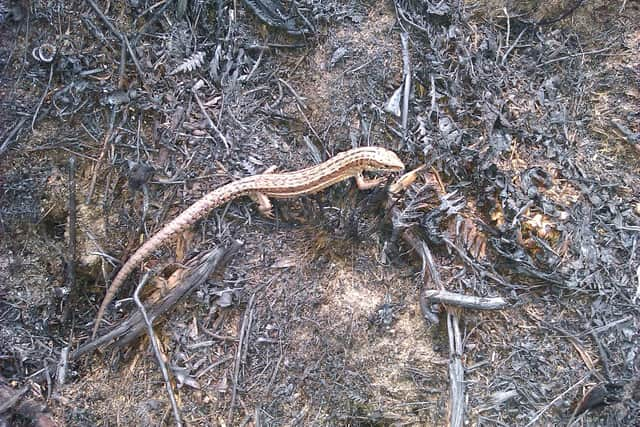
March: In Northern Ireland, ground-nesting bird numbers – including red grouse – were affected by the Slieve Donard fire that broke out in 2021 as the land is still in recovery.

April: Spring bird migration was later than normal, due to winds frequently being in the “wrong” direction and swifts returned about two weeks later than normal and in lower numbers.
Those that did return had low breeding success, likely due to a lack of flying insects, such as aphids, exacerbated by the hot weather, with a maximum temperature of 23.4C in St James’s Park in London mid month.

May: Although natterjack toad spawn and tadpoles were spotted earlier in the spring in Formby, there were no sightings of toadlets by May as hot weather and lack of rain which caused ponds to dry up.
There were record numbers of greater butterfly orchids recorded at Cogden on the Golden Cap Estate, Dorset, while in Wales, the very rare spotted rockrose was recorded on Ynys Mon and the Llyn Peninsula.
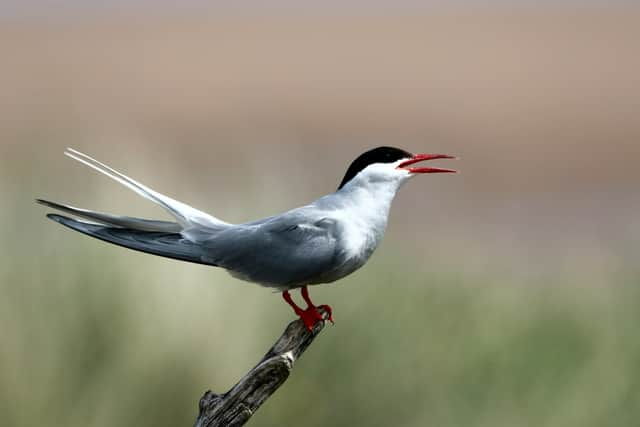
Elsewhere, Arctic terns and little terns had a successful year at Long Nanny, Northumberland, and escaped the worst impacts of bird flu, but at Strangford Lough in Northern Ireland, extreme weather in late June with gales, torrential and high tides caused multiple tern colonies to fail.
July: The UK saw a record-breaking heatwave, peaking at 40.3C at Coningsby, Lincolnshire, exceptionally dry conditions across southern and eastern England and wildfires across large parts of England.
Bats had to be rescued from the heat, experts suspect the weather hit the breeding success of many bird species, wildfires broke out at a number of places, and pools and streams dried up.
But the National Trust beaver enclosures on the South Downs and Holnicote Estate in Somerset, where the semi-aquatic animals are managing the landscape, stayed lush and green with good levels of pond water despite the drought, the charity says.
This year was another record-breaking year for choughs breeding in Cornwall, with 25 pairs breeding on National Trust land, raising more than 70 young.
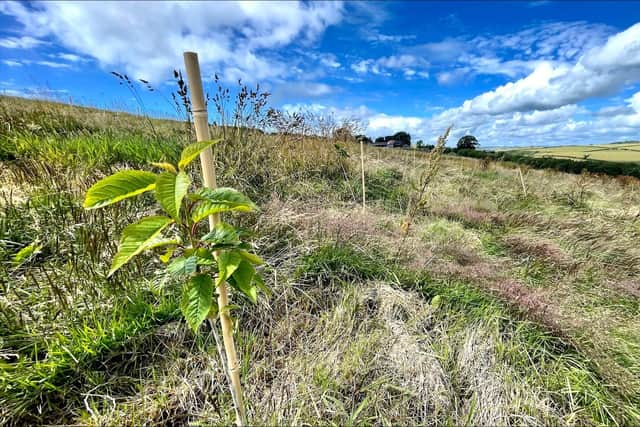
Many places experienced a “false autumn” with trees dropping their leaves early due to drought, butterfly numbers seemed to be down, and bumblebees, hoverflies and flies vanished in the heatwave, especially in the South East.
September: Despite a warm, dry summer, National Trust orchards mostly produced a good crop of fruit – although many ripened two weeks earlier than normal – while blossom bloomed on some apple trees in late September at Oxburgh Hall.
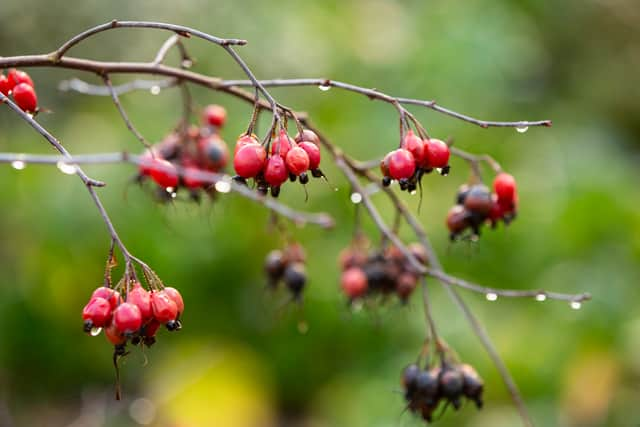
October: Otters were seen at Calke Abbey in Derbyshire for the first time in at least 50 years, while the first grey seal pup was born at Blakeney, Norfolk, two weeks earlier than in 2021.
Across the UK, trees had a mast year, producing a large amount of fruit or nuts, some wildflowers in the Midlands and other areas of the country had a second flowering and autumn colour lasted longer due to the lack of frost.
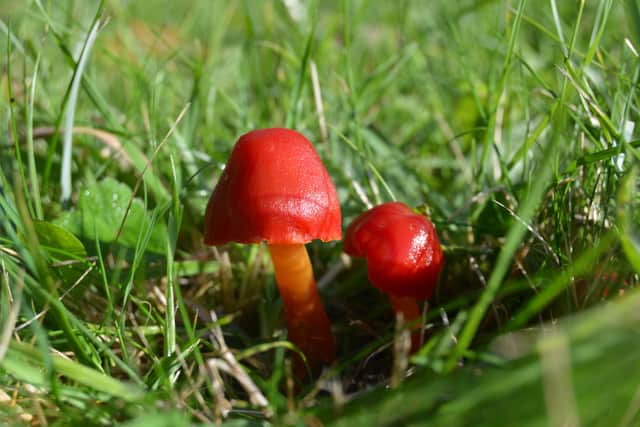
November: Rangers on the Farne Islands completed the clearance of seabirds that died due to bird flu, while winter farmland migrating birds arrived a month later on the Mount Stewart Estate, likely due to milder temperatures in northern areas where they spend the summer and breed.
A rare pine marten was captured on camera for the first time at Abergwesyn Common in Mid Wales.
December: After a largely very hot year with record temperatures, much of the UK was hit with a freezing cold snap, bringing snow to many places.
That was followed much milder conditions, prompting concerns it could bring creatures out of hibernation, using up energy supplies when there is not much food around.