
Mother who spent 40 years in mental health system and attempted suicide at ‘crisis point’ says art changed her life
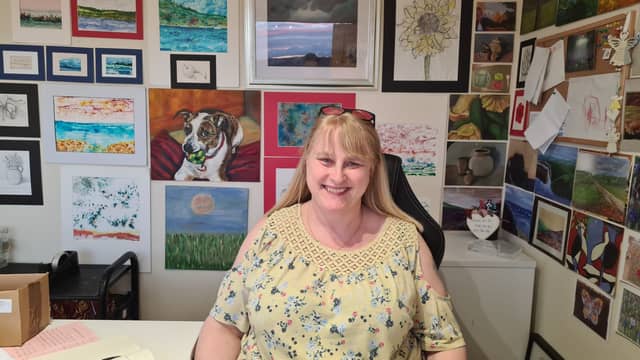

A mother turned artist who spent 40 years in the mental health system and attempted suicide has said becoming a painter transformed her life more than any of the support she received and she wants to help others to explore creative and holistic approaches to their care so they can “thrive and not just survive”.
Just over a decade ago, Debs Teale, 55, a freelance consultant and facilitator who lives in Huddersfield, West Yorkshire, was heavily medicated on more than 20 tablets a day after being diagnosed with “a list of labels”, including bipolar disorder, personality disorder, paranoia, depression and anxiety.
She was receiving treatment from her GP, psychologists, psychiatrists, a community psychiatric nurse, counsellor, and support worker through the NHS and other services up until approximately nine years ago but it was not until she discovered the benefits of creativity through art that her healing journey began.
While taking medication, she said she felt “zombified”, was often bed bound, and was reliant on her three daughters, who she wishes to keep anonymous, to care for her.

“Nobody could do anything to ease my suffering, and people didn’t see the pain I was going through,” Debs told PA Real Life.
As part of her discharge plan from hospital, Debs was asked to attend psychological services and, while sitting in a waiting room one day, a leaflet caught her eye.
It was for a charity called Creative Minds, which was running an art for wellbeing scheme – and although she was hesitant to attend, she said these sessions changed her life.
Since then, Debs has sold more than 170 paintings, completed an MSc in mental health recovery and social inclusion, won several awards, including at the recent Mental Health Awards Ceremony, and worked with a social prescribing link worker who has made her feel valued, supported, and listened to.
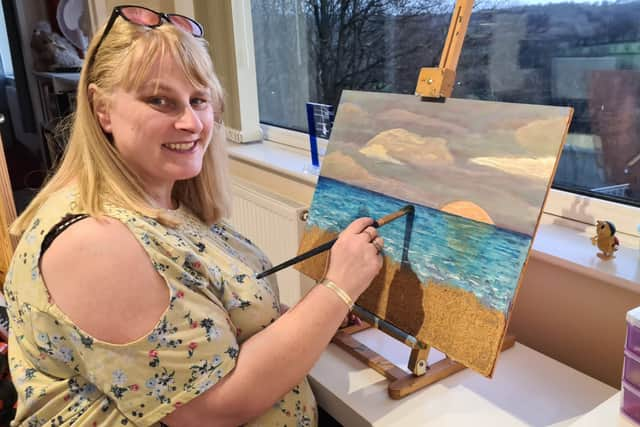
“The answers are in us; we need help unlocking those answers and we need to work together with the professionals to do this,” Debs said.
“I never imagined in this world that I’d be an artist, I never imagined I could paint, but it’s about always having that hope.
“It’s just finding the right way to get the support to find that hope and inspiration to keep you going.”
Social prescribing is a key component of Universal Personalised Care, NHS England says.
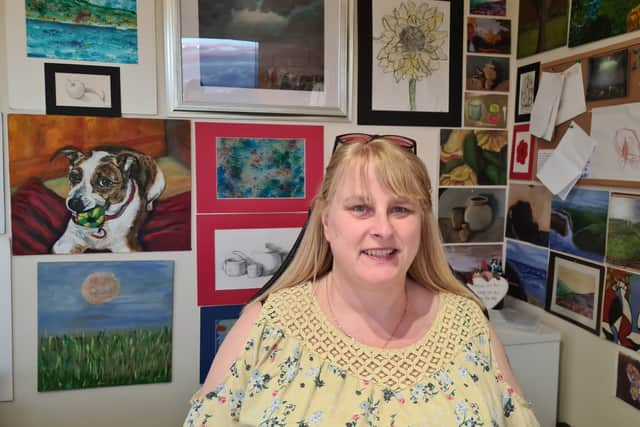
Debs was not introduced to her first social prescriber until much later on in life, but her mental health journey began when she was eight years old.
She said she knew “something didn’t feel right” as she could not stop shaking or crying and she could not speak, and after visiting her GP, she was classed as having “bad nerves”.
“I was put on medication which zombified me,” she said.
As her mental health deteriorated, she kept visiting her GP and healthcare professionals and was diagnosed with bipolar disorder, personality disorder, paranoia, depression, and anxiety.
She had a community psychiatric nurse, counsellor, and support worker involved in her care, but she just felt “invisible” and like a “patient number”.
In 2010, Debs said “everything collapsed” and she begged her psychiatrist for electric shock treatment because she wanted to feel “normal”.

“It more or less gave me a terminal life sentence, which I didn’t particularly want to live with,” she said.
“I felt my girls deserved freedom, so I took an overdose. I woke up in hospital, absolutely livid that I’d failed, I felt such a failure.
“I was in bed opposite a lady who was dying of cancer, who had a wonderful palliative care plan in place, and I was so jealous of her because she was getting an end to her suffering.”
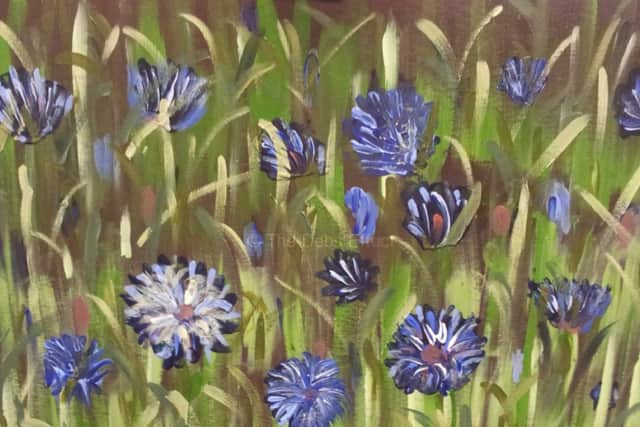
She had never painted before and was previously mocked by her daughters for her art skills, however, those sessions changed her life.
They helped put her in control of her own health and wellbeing, switch off her “racing track brain”, and taught her how to move on from the “trauma” and appreciate life again.
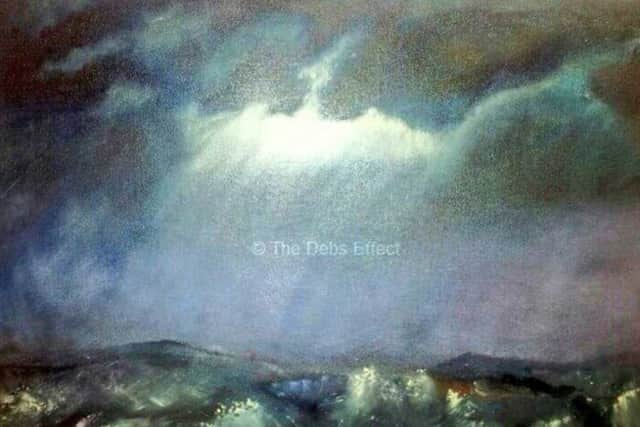
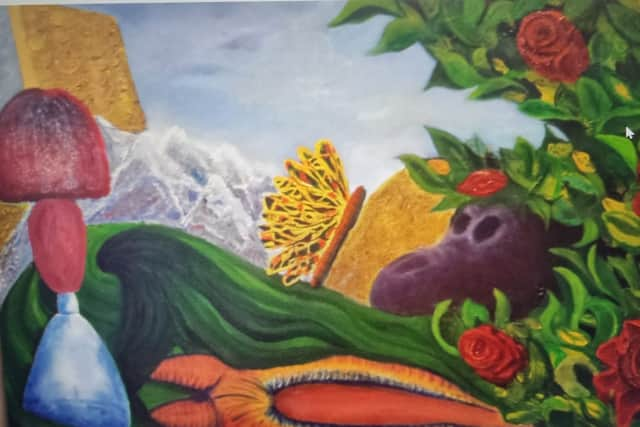
She was able to take her “stress out on the canvas” and loves painting scenic views, including grass, woods, trees, skies and clouds, as it “reminds (her) that (she’s) alive”, and people have showed interest in her paintings over the years, meaning she has sold 179 to date.
More recently, after moving to Huddersfield during the second Covid-19 lockdown, Debs’ receptionist at her local GP recommended that she see a social prescriber to help ensure her mental health did not deteriorate – and for the first time in decades, Debs said she felt she was “heard, seen, and listened to”.
Her social prescribing link worker introduced her to several support and community groups, and this meant she was able to meet new people and make friends in an area she did not know.
She explained: “When the link worker came and she was sat asking me these questions, nobody had ever gone into such depth about my life before.
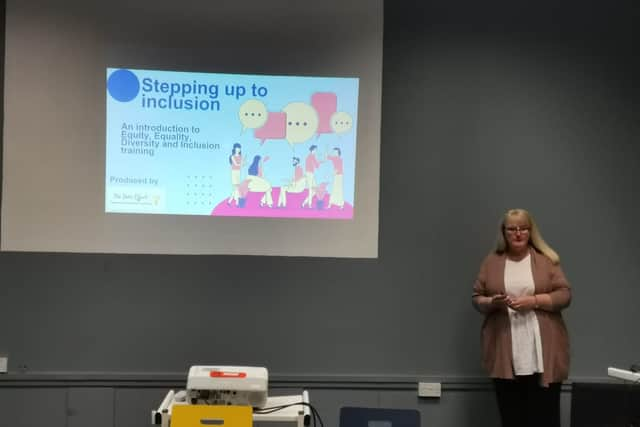
Debs has been off medication for nearly a decade and out of mental health services for nearly nine years, however she keeps in touch with her social prescribing link worker.
She is a member of the Social Prescribing Network and National Centre for Creative Health, and has won many awards, including one for ‘Inspiring Story’ at the Mental Health Awards 2023.
Her mission now is continuing to raise more awareness of mental health, suicide, and social prescribing, and the importance of looking at holistic and creative approaches to self-care.
“I don’t want people to just survive, I want them to thrive. I want them to feel that they’ve got an identity, that they’ve got a purpose.
“I want everybody to have that chance to be able to live life that little bit better.”
She added: “I don’t want anybody to feel how I felt. I don’t want anybody to feel that they’re a burden and they can’t talk about things.
“I don’t want people to feel that they have to hide it, they have to internalise it, because that only leads one way, so I’m all about the talk.”
Debs is supporting NHS England to raise awareness of the thousands more healthcare staff working in GP practices and local communities to help patients get the right care when they need it, in addition to seeing their GP or practice nurse. For more information, visit: nhs.uk/nhs-services/gps
For support, contact the Samaritans on 116 123, email them at [email protected], or visit samaritans.org to find your nearest branch.