
MPs must act to legalise assisted dying, Leadbeater urges as debate begins
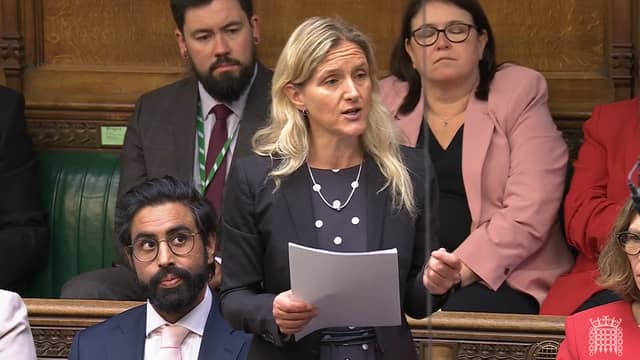

Assisted dying must be legalised to avoid terminally ill people acting out of desperation or making “traumatic” trips to Switzerland, the MP behind a Bill to change the law has told Parliament.
The Terminally Ill Adults (End of Life) Bill is back before the Commons on Friday for the first time since a historic yes vote in November saw a majority of MPs support the principle of assisted dying.
Opponents have argued the Bill does not have enough safeguards and has been rushed through, with two royal medical colleges voicing their doubts on the legislation in its current form.
But others, including Dame Esther Rantzen, have appealed for MPs to keep backing the Bill.
The 84-year-old, who has stage four cancer, has said: “Please vote for this crucial reform, as so many other countries have, not for me and for those like me who are running rapidly out of time, but for future generations to have the right if necessary, not to shorten their lives, to shorten their deaths.”
As Friday’s session – which could last for up to five hours – opened, Kim Leadbeater told those gathered in the Commons: “Put simply, if we do not vote to change the law, we are essentially saying that the status quo is acceptable.
“Over recent months, I have heard hundreds of stories from people who have lost loved ones in deeply difficult and traumatic circumstances, which show that that is clearly not the case.

The Bill being considered by Parliament would apply only in England and Wales.
In its current form it would mean terminally ill adults with only six months left to live could apply for assistance to end their lives, with approval needed from two doctors and the expert panel.

The Royal College of Physicians (RCP) this week said it believes there are “concerning deficiencies” with the proposed legislation as it stands while the Royal College of Psychiatrists (RCPsych) said it has “serious concerns” and cannot support the current Bill.
RCPsych warned of a shortage of consultant psychiatrists to meet the demands of a Bill which would currently require a psychiatrist to sit on the panel to assess a terminally ill person’s application.
The RCPsych statement was this week branded by one opponent of the Bill as a “blow to its foundations” but pressed on the issue in Parliament, Ms Leadbeater said she does not have concerns on staffing.
She said: “If we refer to the impact assessment, the numbers of people who access assisted dying in the first few years will be very small.

Amid questions around the process by which the Bill has progressed through Parliament, Prime Minister Sir Keir Starmer – who is on a trip to Albania and so is not at the debate – has indicated he remains supportive of the proposed legislation.
The PM voted for the Bill last year and, in comments to reporters this week, said it was facing “a lot of scrutiny”, adding that he was “satisfied” it had “sufficient time” in Parliament.
The Government is neutral on the Bill and any votes MPs make are according to their own conscience rather than along party lines.
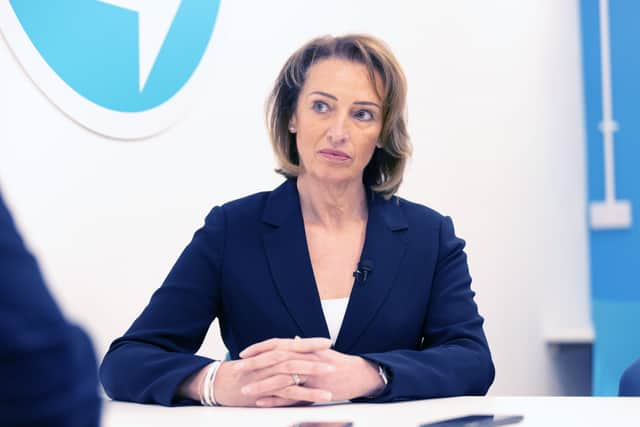
But in a boost, new Reform MP Sarah Pochin has confirmed she will support it.
Mike Amesbury, whom she replaced in the Runcorn and Helsby constituency earlier this month, had voted no last year.
Amendments being debated on Friday include ensuring there is no obligation on anyone, such as medical staff, to take part in the assisted dying process.
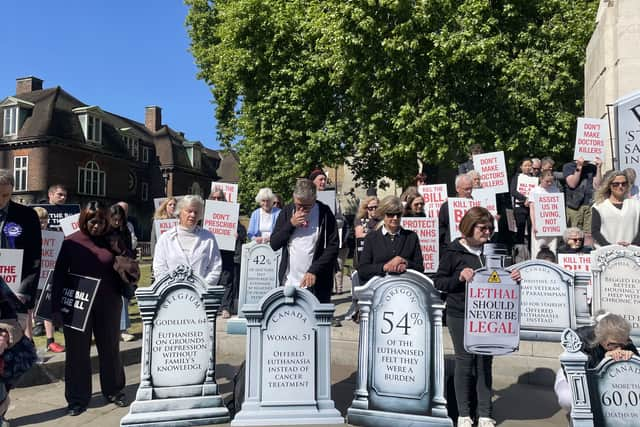
Demonstrators from both sides of the argument gathered outside Parliament ahead of the debate on Friday.
While pro-change campaign group Dignity in Dying said Friday is a “milestone in the journey towards a more compassionate and safeguarded law”, the Christian Action Research and Education group, which is against the Bill, urged MPs to instead focus on end of life care.