
Mum told to double HRT after incurable cancer symptoms were mistaken for perimenopause says diagnosis feels like ‘dream’
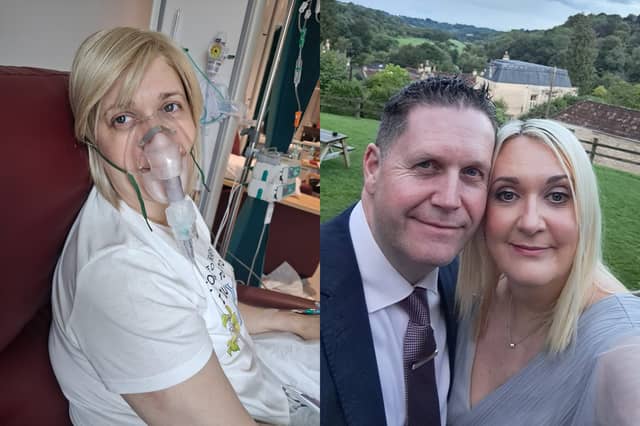

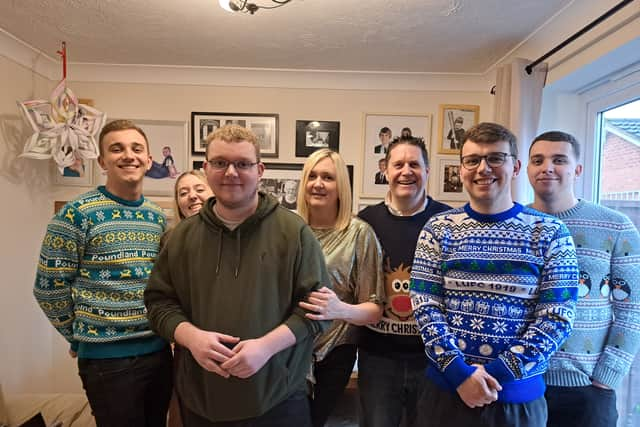
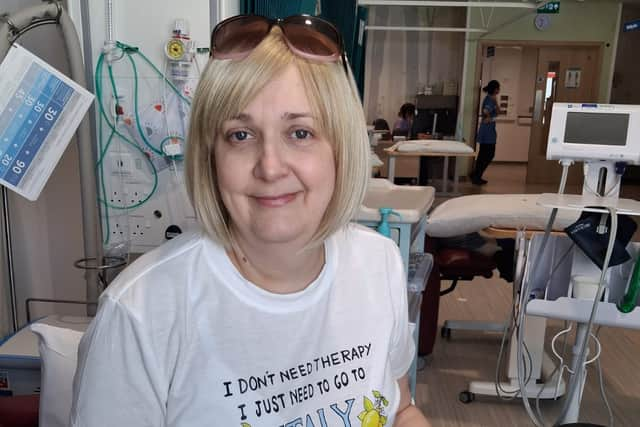
A mother-of-five who was told to double her hormone replacement therapy (HRT) treatment after her incurable cancer symptoms were mistaken for perimenopause has said her diagnosis still feels like “a dream”.
Crystal Portsmouth, 50, from Wiltshire, had suffered chronic anaemia, painful periods and exhaustion for years, but said she was told by her GP this was due to fibroids – non-cancerous growths in or around the womb.
The social care practitioner was told to try the Mirena coil to alleviate the heavy bleeding during her periods, and was prescribed iron tablets for anaemia, but her symptoms persisted and the coil caused urinary tract infections (UTIs).
After the coil was removed, Crystal said her GP thought her symptoms were perimenopause-related and she was prescribed HRT, which she was told to double later on – but when she collapsed at work in April 2023, she knew it was something more serious.
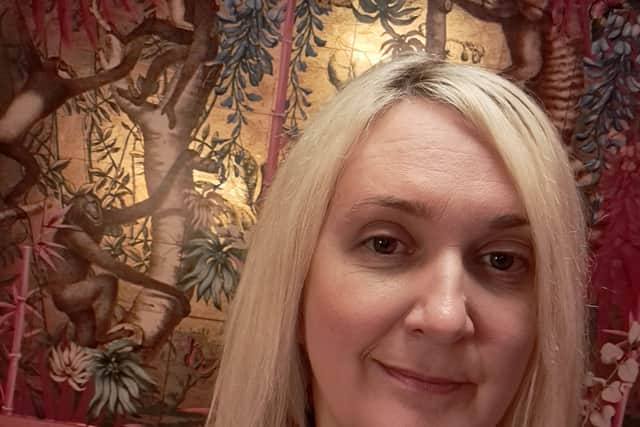
Crystal is in remission and undergoing maintenance chemotherapy, but she has joined blood cancer charity Myeloma UK’s Christmas Appeal in a bid to help get people diagnosed sooner.
Speaking about her diagnosis, she told PA Real Life: “I just couldn’t believe it, and I still don’t believe it.
“Every day when you wake up, you think it’s a dream and it’s real. A few times we’ve said, ‘When are we going to wake up?’
“When I look back through my NHS app, you think, crikey, it’s screaming out… but (the signs of myeloma) were never picked up.
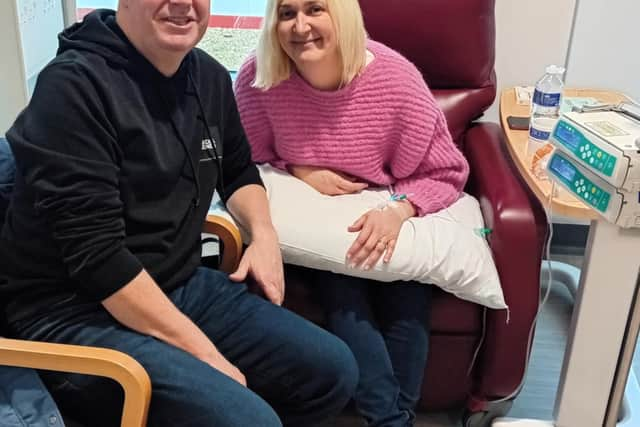
Crystal said she had suffered heavy periods for years and experienced “flooding”, when she would bleed through both tampons and pads, but was told by her GP this was due to fibroids.
She said she would “hope (her) shifts didn’t fall on (her) period”, but if they did, she would take spare clothes to work in case she bled through her sanitary products.
“It was embarrassing and I was struggling to work when my period was due because of the amount of blood I was losing,” she said.
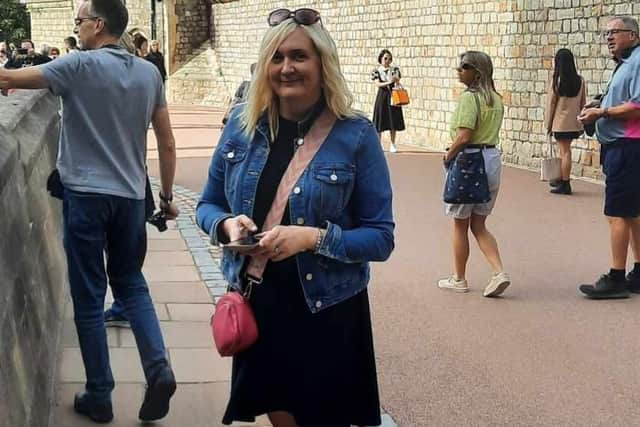
“So I went to the doctors and they said about the Mirena coil, but then I started getting UTIs and I was constantly on antibiotics.”
After the coil – an intrauterine device inserted into the womb – was removed, she said her GP thought her symptoms were related to perimenopause and she was prescribed HRT.
During this time, she was also diagnosed with cellulitis – an infection in the deeper layers of skin – multiple times, but this was treated with antibiotics.
According to Myeloma UK, common symptoms for myeloma can include pain, fatigue, kidney damage and recurring infection, but with no family history of cancer, Crystal never suspected she could have the disease.
When the heavy bleeding returned with her periods, along with night sweats, she knew this was her “body saying something was really wrong” – but when she spoke to her GP, she said she was advised to double her HRT.
It was not until she collapsed at work in April 2023 that she knew she needed to seek further help.
“I rolled my ankle, so they X-rayed my ankle, and I said, ‘I’m in my 40s. How can I be stood still and fall over?’.”
She said she later asked for a full blood count and was referred to the haematology department at the Royal United Hospital (RUH) in Bath, where PET and CT scans revealed Crystal had a fracture in her pelvis.
She had more blood tests taken but was “in denial” that she could have cancer.
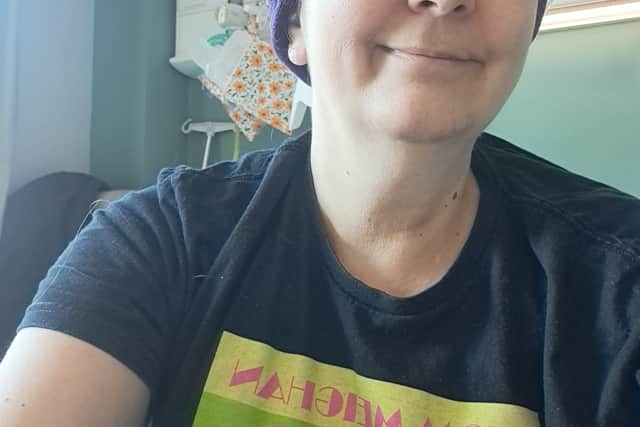
“I think after so many years, you don’t know what to think, and even when my colleague said it could be cancer, I just said, ‘No, there’s no cancer in our family, it’s not that’.
“It was terrible, I was just in denial.”
After a bone marrow biopsy, it was confirmed in July 2024 that Crystal had myeloma, and from that moment her “feet didn’t touch the ground”.
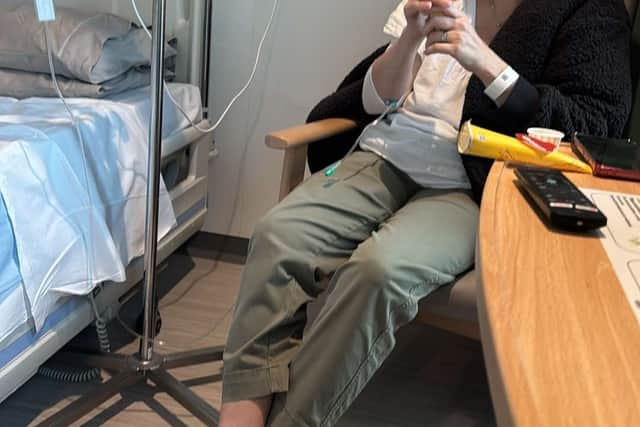
Crystal was enrolled in the Radar clinical trial at the RUH, and received a stem cell transplant in January 2025, but the side effects of her treatment meant she had missed her grandson’s first Christmas.
“All these major events were passing me by and I was really struggling, but I kept going,” Crystal said.
“Now I’ve completed it and I’m on maintenance, and I have to have an infusion every fortnight.”
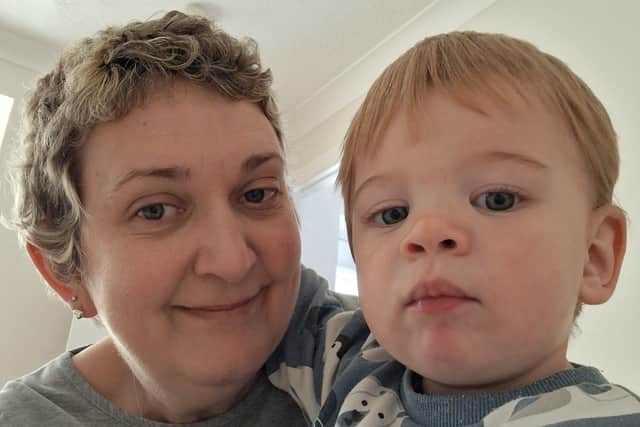
She is looking forward to spending Christmas with her family and grandson, as she missed the celebrations last year, and is planning a phased return to work from next week.
She is also hoping to raise awareness with Myeloma UK, as despite being the third most common type of blood cancer, the charity says myeloma is frequently missed as its symptoms are vague.
Crystal said: “It’s not how we envisaged our life.
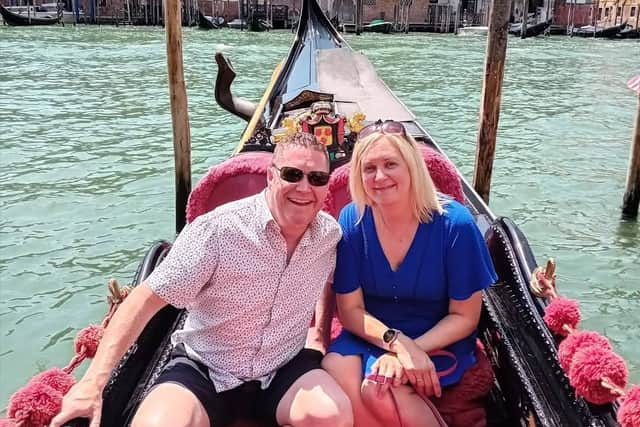
“It has changed me and I know that when I go back (to work), I’m not the same person that I was.
“But I’m just trying to get back to some kind of normality after this massive, life-changing diagnosis.
“I’ve got my faith and I’m used to bouncing back.”
To find out more about Myeloma UK’s Christmas Appeal, visit: myeloma.org.uk/xmasappeal.
For more information about myeloma or to get in touch with Myeloma UK, visit myeloma.org.uk or call its infoline on 0800 980 3332.