
Mum who felt she was ‘never going to breathe again’ after two-year-old died of brain tumour now helps others with grief
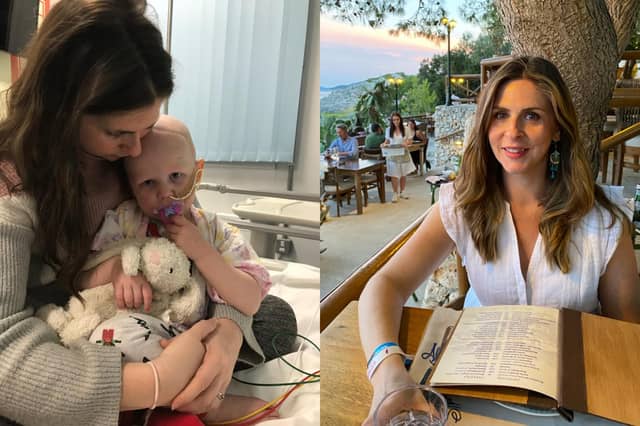

A mother who felt she was “never going to breathe again” after losing her two-year-old daughter to a rare brain tumour has become an advocate for speaking about grief because her family is “evidence that life’s too short”.
Lucy Hudson’s daughter Poppy initially had no symptoms aside from vomiting once on the stairs and being “sleepy” – which her parents believed was normal behaviour for a one-year-old.

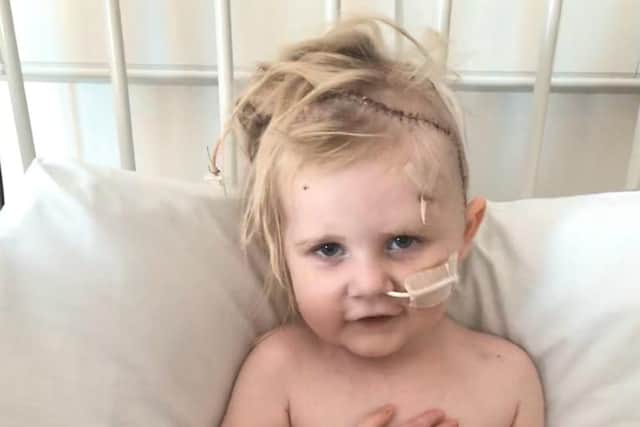
The toddler had to undergo 10 months of surgeries and chemotherapy, including a procedure which involved “sawing into her skull”, before receiving end-of-life hospice care.
While Lucy, 40, a managing director of the advertising agency McCann Demand, knew Poppy would not survive, she said it felt like her “whole life had ended” when her daughter died in April 2019.
“I can’t really summarise it, it’s like half your body has just left you and you feel like you’re never going to breathe again.”
The following weeks and months were a blur, and Lucy feared she would “spend the rest of (her) life in depression” and never be able to function again.
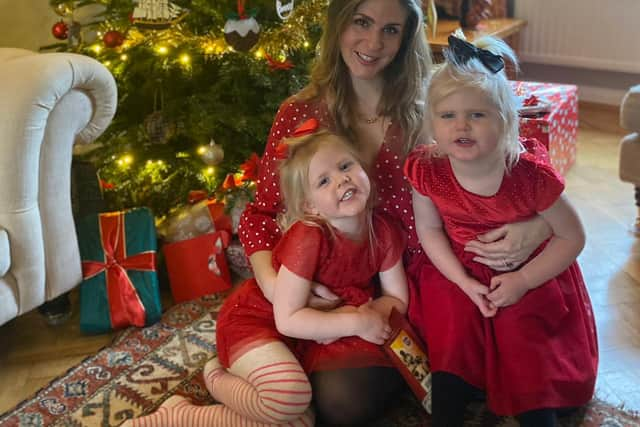
However, following a three-year break, Lucy returned to work after giving birth to her two daughters – Nell, four, and Bonnie, three – and started to try to “rebuild” her life.
“The number one thing I say is, just don’t bloody ignore what’s happening to them,” Lucy said.
“Imagine if the most significant event that will ever happen in your life happened to you and nobody talked to you about it.
“If you know someone is struggling, ask them how they are, but don’t ask them to tick the box. If they say, ‘I’m fine’, ask them again, give it another go, and just check.
According to Brain Tumour Research, ATRTs are the most common malignant form of brain tumours in children under one year old.
For Poppy, her symptoms were not immediately obvious.
She was “sick on the stairs” one day and often “sleepy”, but since this was not unusual for a one-year-old, this did not initially raise alarm bells for the family.
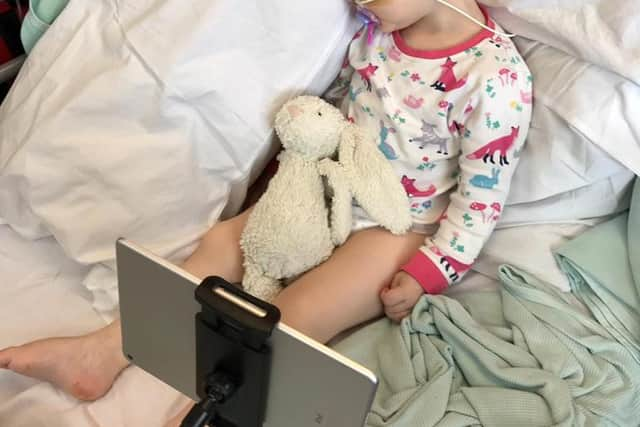
“This is what’s so dangerous about brain tumours in children,” Lucy said.
“There are several key signs – things like clumsiness, falling over, vomiting, blurred vision – but with a one-year-old, you would have no idea.”
Poppy’s symptoms were initially dismissed, but after pushing for an appointment at Wexham Park Hospital where Poppy underwent a scan, the couple’s “greatest fear” was confirmed.

“It was just an absolute blur,” Lucy said.
“We had no sleep, she’s suddenly hooked up onto all these monitors, and she’s not fully understanding what’s happening.”
Poppy had drains put into her skull as the mass was causing blockages, and she underwent multiple surgeries including a debulking procedure which involved “sawing into her skull”.
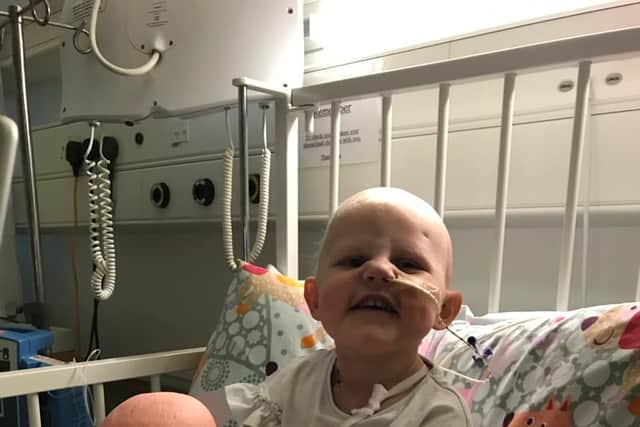
It was during their time at the John Radcliffe that Poppy’s ATRT diagnosis was confirmed, and at this point, the couple was told the two-year-old had a 20% chance of survival.
Speaking about the next steps, Lucy said: “They asked us whether we wanted them to do treatment, and obviously our answer was, ‘yes’.
“We’re not people who believe in preserving life absolutely at all costs; we had to make a lot of very difficult decisions during the process.
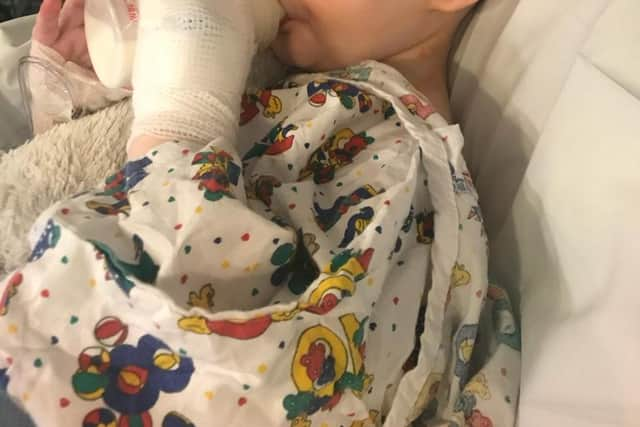
Poppy then underwent chemotherapy and, half-way through the treatment, doctors said the tumour had decreased in size and Lucy thought “we might be the people that defy the odds”.
After this, however, there was little movement in the tumour and Poppy then underwent more “toxic” chemotherapy, which effectively made her “radioactive” and would render her infertile.
The time for Poppy’s final surgery then came, eight months after first being admitted to the John Radcliffe, and doctors were able to remove the tumour.
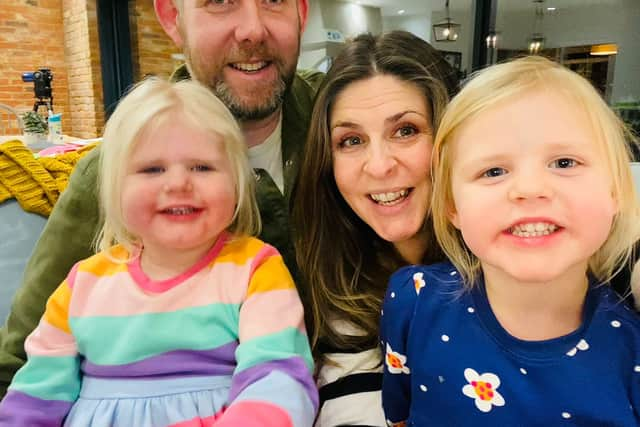
After looking into end-of-life care, the family then moved into an apartment at Helen and Douglas House children’s hospice in Oxford, where they remained for the following month.
The hospice and staff were “brilliant”, but Lucy said she and her husband would often sit in silence as “you just don’t know what to do with yourself”.
“All her faculties just started failing,” Lucy explained.
“Her legs went, she got thinner and thinner to the point where I couldn’t pick her up because it was too upsetting to feel like she was a little skeleton, and she lost her vision.
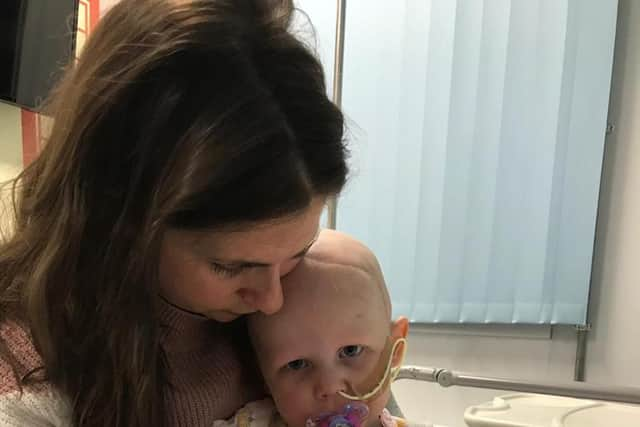
Poppy died, while Lucy held her hand, on 18 April 2019, and the two-year-old’s brain and spine were donated to science for research purposes.
Lucy said she cannot remember what happened in the weeks that followed, but she found herself having panic attacks in public and she was diagnosed with depression and PTSD.
She said just getting up in the morning and dressing herself was an achievement, and she tried to do this every day to retain some normality in her life.
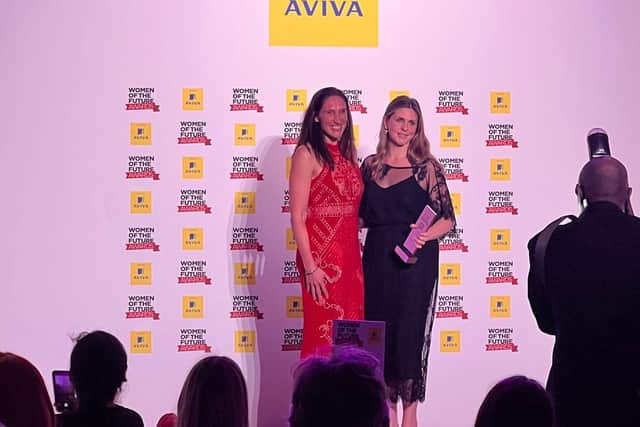
While she is still recovering nearly five years later, and will never fully heal, she said she is “proud” of the progress she has made, particularly in terms of her career.
She has hosted masterclasses on grief and helped to launch The Margot Collective for McCann Central, a female-led consulting team established to ensure the involvement of female voices in the workplace.

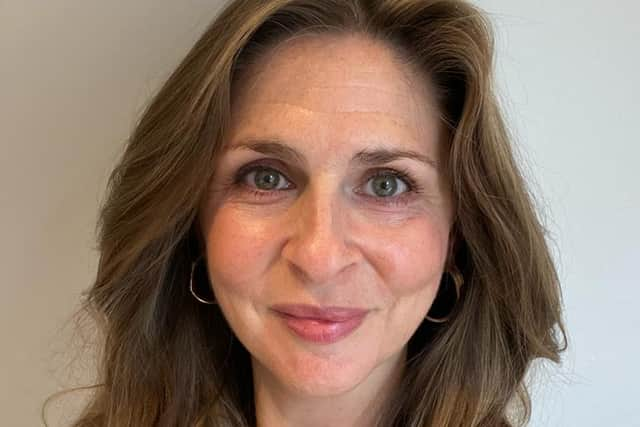
Speaking about how she feels today, Lucy said: “I’ve almost got this renewed energy, and I feel a bit of responsibility to help others and be vocal about it.
“This horrendous thing that people can barely ever mention has happened to me, but I’m still standing.
“I just had to make a decision between surviving it or surrendering, that’s it, and I was just lucky to be blessed with the mental strength to be able to survive it.”