
Mum who had anorexia and weighed under five stone at lowest point now runs fitness business to help women ‘feel good’
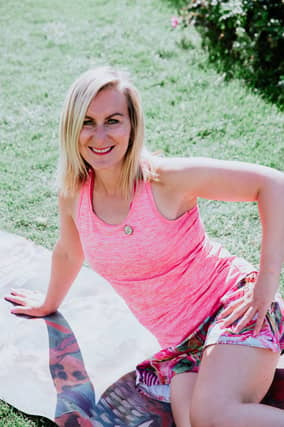

A mum-of-two who had anorexia as a young teenager and was told by doctors she “could have a heart attack at any time” due to her significant weight loss has since transformed her relationship with food and now helps other women to “feel good in their bodies”.
Christine Chessman, a 46-year-old non-diet strength and movement coach who lives in Hove, Sussex, said she “never felt pretty” during her younger years and “never quite felt good enough”.

Christine also later developed body dysmorphic disorder (BDD), where she became “obsessed” with her hair and skin, but she now runs her own fitness business to encourage others to focus on “how we feel in our bodies rather than how we look”.

“It was really when I was probably about 13,” Christine explained.
“I never quite felt good enough, I never felt pretty, I had a long nose, I never felt like I fitted in. I really wanted to fit in.
“People would make comments like, ‘oh, don’t worry, Christine, we can’t all have a nice figure’, or ‘we can’t all have the perfect body, you’ve got other things’. I was the friend that was seen as, you know, ‘she’s a nice person’.
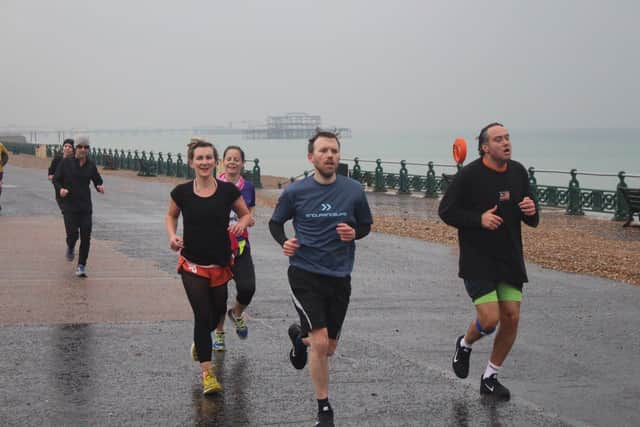
Christine started to lose weight very quickly through strict dieting and physical activity, explaining that “disordered exercise behaviours started to creep in” to her daily life.
She said she became “obsessive” with her weight. She would do exercises in her bedroom, walk for miles instead of getting the bus, and do fitness classes at home.
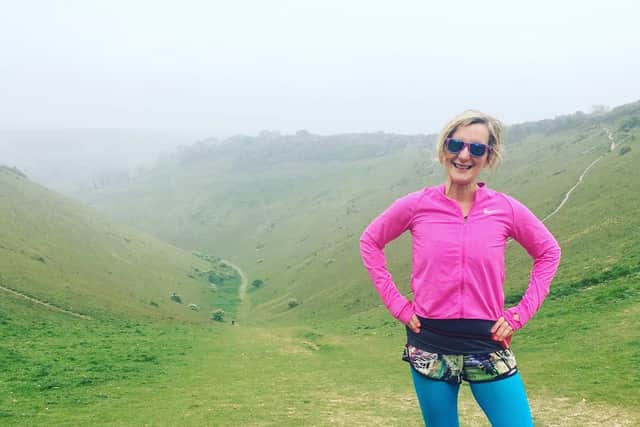
“Everybody was saying, ‘you look amazing, what are you doing?’,” Christine said. “So that just fuelled me to keep going and keep going, and I felt a sense of, ‘wow, look at me, I can eat so little’.
“But then it’s not a diet any more, then it becomes something different, and, for me, it took on a life of its own and I became anorexic.”
Christine’s weight dropped to under five stone when she was 14. Her hair started falling out, she was “cold all the time”, and she developed chilblains all over her hands due to her Raynaud’s condition – a disease which affects blood circulation.

Things became “really scary” when she was told by doctors that she “could have a heart attack at any time” due to her low blood pressure and slow heart rate.
Christine, who used to be an IT manager, said: “It started becoming just painful and difficult, and I didn’t want to go out with my friends because they would always go out to eat.
“I was becoming more socially isolated and unable to do schoolwork, and my blood pressure got incredibly low, to the point that they told me I could have a heart attack at any time.
“It got really scary, and I remember there was a moment where I thought, maybe I could just slip away, you know, maybe I could just fade away.
“But then there was a massive part of me that wanted to live, and I wanted to be different, and I knew that to get there, I had to eat.
“I stopped feeling like, ‘oh, look at me,’ and I just started feeling really sad.”
Christine said her anorexia went unnoticed for months, and it wasn’t until her German teacher spotted her dramatic weight loss that she got the help she needed.
At the age of 15, Christine went to hospital as an outpatient and had blood tests, weigh-ins and help from dieticians. She also received counselling for roughly six months.
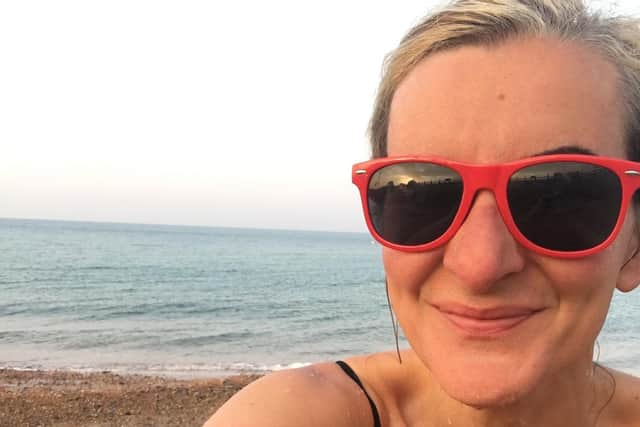
However, given the rapid change in her body, Christine felt “uncomfortable” with her new physique, and while she appeared healthier on the outside, she said she was still “so unhappy”.
The mum-of-two said she started implementing “numbing behaviours”, such as drinking a little bit more alcohol in her 20s, not buying chocolate, and running marathons.

She continued: “I constantly watched what I ate, I constantly punished myself for what I ate, making up for it with exercise, eating less. I didn’t have a ‘normal’ relationship to food until very recently.
“So, it was definitely a quick process back to being weight restored, but a very slow process back to having a healthy relationship to my body.”
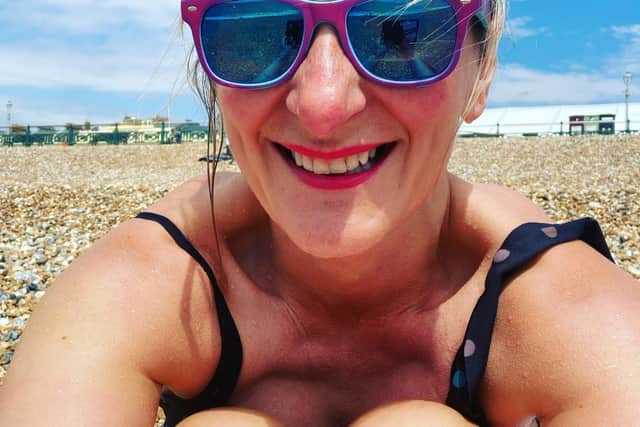
But in her late 30s, she developed BDD and became “obsessed” with her hair and how it looked.
She said she thought that her hair was “awful”; she would straighten it, constantly try to look at her hair in mirrors, and would see strangers and think, “I’d do anything to have their hair”.
This then morphed into a fixation with her skin, where she would buy “potions and lotions and scrubs”, and do everything she could to keep her skin clean and spot-free.
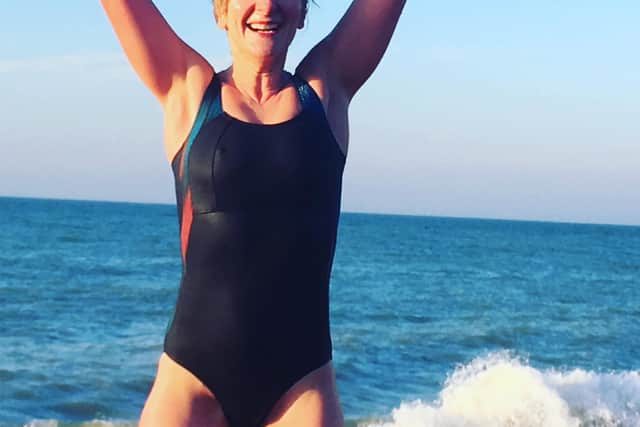
This all changed when she asked her daughter to take a picture of her back so she could see what it looked like, as Christine realised that she was outwardly displaying her unhealthy behaviours to her children.
“That really shook me because I had done so much to protect them from these behaviours,” Christine said.
“I think that was the turning point for all of it and that certainly coincided with my business changing, you know, for it to be part of the non-diet space and to really empower women to move their bodies as they are and feel good in their bodies.

Christine started her business, Hello Fitness Brighton, in 2013 and it has gone from strength-to-strength. She teaches various classes, including boot camps, HIIT workouts and Pilates, from her home studio, outdoors, through her app and on the platform called Body Image Fitness.
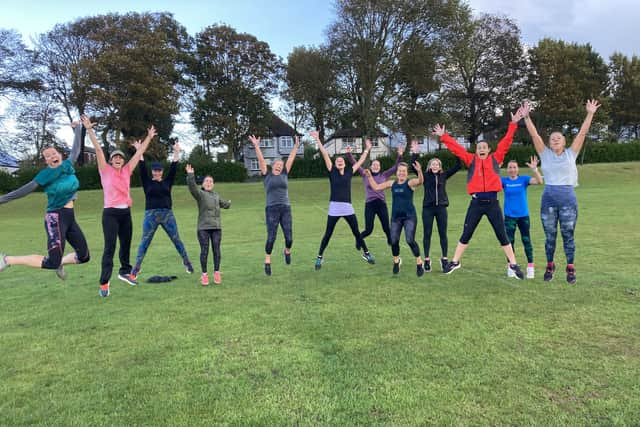
“It’s really about changing the focus to how we feel about movement, how movement makes us feel, and how we feel in our bodies rather than about how we look,” Christine said.
Christine’s journey has not been an easy one, but she has always had the strength to keep going and now wants to inspire others and continue to “build women up”.
She explained: “What kept me going is I always had this feeling that I had a life’s mission.
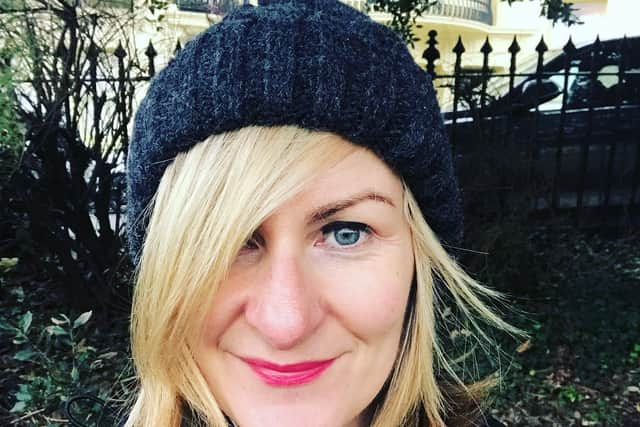
“I always felt the anorexia wouldn’t be for nothing, that I could come out the other side and do something, so that’s always been the driver of the business as it is now, definitely.”
To find out more about Hello Fitness Brighton and Christine’s work, visit: www.hellofitnessbrighton.com
For more support and information about eating disorders, visit: www.beateatingdisorders.org.uk