
My kids were devastated: Mum had to cancel holiday hours before flight after learning family had been scammed out of £4,000
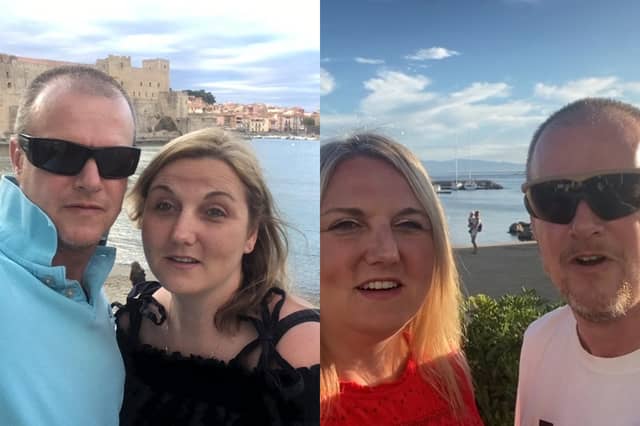

A mother-of-three who had to cancel a family holiday just hours before they were due to fly to Majorca after learning they had been scammed out of more than £4,000, with one of her children so devastated they “didn’t speak for a day”, is urging others to be vigilant as “it can happen to anyone”.
Emma Last, 48, a mental health and wellbeing strategist from Chorley, Lancashire, and her husband Zak, a 51-year-old artist, were due to fly out to a villa in Majorca for an eight-night family holiday in August 2023 – having seemingly booked a villa large enough to accommodate Emma’s parents and three children: Scarlette and Henri, both 17, and Xander, 14.
She first found the property on Airbnb but was then directed from there to WhatsApp, where she was provided with a link from “Travel Villas”, along with what claimed to be a Booking.com “portal” to process the payment later on.

The family learned the “Travel Villas” listing had been “cloned” from another website called Oliver’s Travels, and after calling the company, who confirmed the villa was fully booked, Emma realised the mistake she had made.
“We started telling the children that we weren’t going, which was awful because they had their suitcases packed and they were all excited,” Emma told PA Real Life.
“Devastated children is the word – one didn’t speak for a day.”

Emma’s family had saved for months for the much-needed trip, and while she initially felt “embarrassed” about the scam, she now wants to help others with advice from cyber safety brand Norton to prevent them from falling victim to fraudsters.
“There isn’t much support, and I think because you feel really silly because you’ve been caught out, it’s not something that you want to talk about – but it can happen to anyone,” Emma said.
“I have booked my own travel for years and never had a problem – you do your due diligence – but I suppose it’s just understanding that we are human, and perhaps we need to use more technology to protect us.
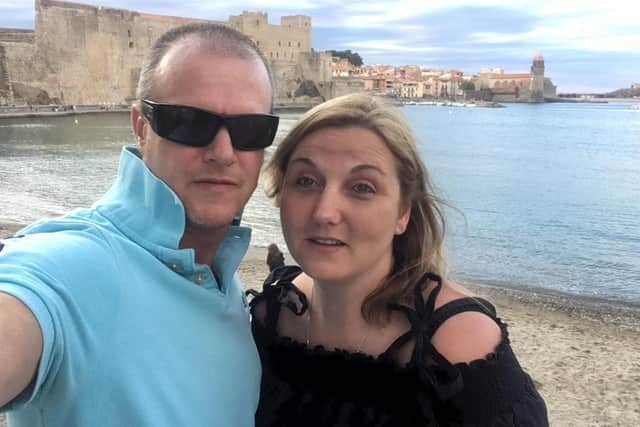
Emma started looking at holiday options on Airbnb in July 2023, specifically family villas in Ibiza or Majorca to accommodate her parents and her three children.
Having “saved up” since their previous trip to Spain the year before, the family were looking forward to another summer holiday together, and they came across three suitable properties in Majorca on Airbnb.
Emma and her family did their “due diligence”, checking the villas existed using Google Earth, and they reviewed all the information provided, including the part which said she could supposedly book the property as a Genius customer via Booking.com.

Emma then received a response from “Lyda from Travel Villas”, along with a link, confirming the property was available for the requested dates – August 7 to August 15 2023 – at a discounted rental cost of 600 Euros (£511) per night.
The message, seen by PA Real Life, continued: “Please send us your email so we can send you the PDF Brochure of the villa with all the details regarding the photos, services, location and terms of the booking.”
After some back and forth, Emma was then advised that she was “pre-approved to book” and her reservation “will be confirmed instantly once a payment is made”.
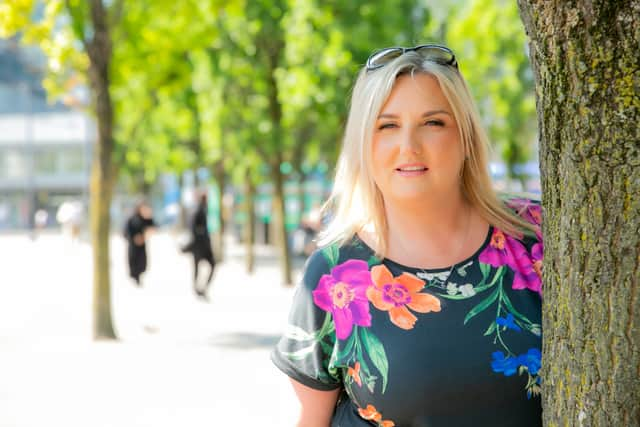
A link then took her to what appeared to be a Booking.com “portal”, and she was offered a 10% discount due to the Genius loyalty programme she was already signed up to, which “reassured” her the booking for the villa was legitimate.
Emma’s mother, Julia, then made the £4,120 payment on July 30, and Emma paid for the flights with Ryanair, which cost £1,722.98 in total for the seven guests.
She subsequently received a booking confirmation email from “Puerto Soller Villa”, along with a message on WhatsApp, which said: “Now everything is in order with the payment.”
“Thank you and we look forward to hosting you.”
Emma sent follow-up messages about their flights on WhatsApp and asked for more information about the check-in process – but after receiving no responses over the following days from her texts and calls, she started to panic.
With a taxi due to take her family to the airport at about 11am on August 7, she set an early alarm and said she called Barclays for advice, as she had booked her flights with her Barclaycard and she had travel insurance with them.
They realised that fraudsters had copied information and pictures from Oliver’s Travels onto a fake website called “Travel Villas”, pretending they were letting agents, and it was all a scam.
“I felt stupid, I felt really stressed about trying to get the money back, I felt devastated for my children and my husband,” Emma said.
“You save up, you plan, and the thing is, I work really hard. I’m a small business owner and I do so much for others, I give back to everyone else, and in my world the majority of people are amazing people.
Emma said she was advised by Barclays that she could put in an insurance claim for the un-used flights, as she would be covered when booking using her Barclaycard, and this gave her some “reassurance”.
She said Barclays also told her she could not transfer the flights at the time – but when following up later on, she said she was told that the bank was unable to consider her claim.
The reason given was that her “circumstances are not included under any of the specified incidents for which (her) policy would provide cover”.
Although Emma and her mother did eventually manage to get the £4,120 back for the villa scam, she is still more than £1,700 out of pocket for the flights.
Now, despite initially feeling stupid, angry, and disappointed in herself for making the “wrong decision”, Emma wants to share her story to help prevent others from being scammed.
She said: “We did do some due diligence, but are there some learnings out of it? Absolutely.
“If they ask you to go off the site and into WhatsApp, don’t do it, if they ask you to pay on a different site, don’t do it.
“I have worked on my own mental health, and I’ve got all these tools in my kit bag because of the work that I do, but what really worries me is other people … the impact it can have on you, it can be devastating.”
A Barclays spokesperson said: “We have every sympathy with our customer who was the victim of a scam when booking their holiday accommodation.
“Our customer arranged the flights separately from the booking of the holiday accommodation, choosing to use their corporate credit card to complete the payment for the flights.
“The financial protection provided with Section 75 of the Consumer Credit Act only applies to purchases made using a personal credit card, rather than one related to a business account.
“We were alerted to the accommodation scam on the day the flights were due to take place and we encouraged our customer to speak to their airline regarding their situation.”
An Airbnb spokesperson said: “This listing was removed from the platform as soon as it came to our attention last July, and we are in touch with the guest to offer our support.
“We encourage and remind users to stay on Airbnb to communicate, book and pay to help ensure they’re protected by our policies, processes and 24/7 support, including AirCover.”
Fraudsters are becoming increasingly inventive when it comes to creating scams, and research from cyber safety expert Norton has found that the average Brit receives 10 email, text or phone scams a week.
The new app developed by Norton, Norton Genie, is an AI-powered tool that allows people to copy and paste, or upload, screenshots of a text message, social media post, email or website and check for scam potential.
To find out more, visit: uk.norton.com/products/genie-scam-detector.