
Nato chief eyes bigger defence budgets and hard spending target
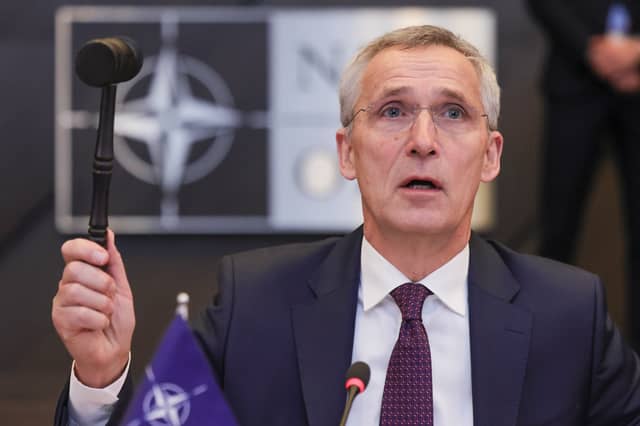

Nato secretary general Jens Stoltenberg has urged the 30 member countries to commit to spending at least 2% of their gross domestic product on defence by a set date, as Russia’s war on Ukraine and other threats eat into military spending.
Nato allies agreed in 2014, after Russia annexed Ukraine’s Crimean Peninsula, to halt the spending cuts they had made after the Cold War and move towards spending 2% of GDP on their defence budgets by 2024.
That pledge expires next year, and Nato is working on a new target.
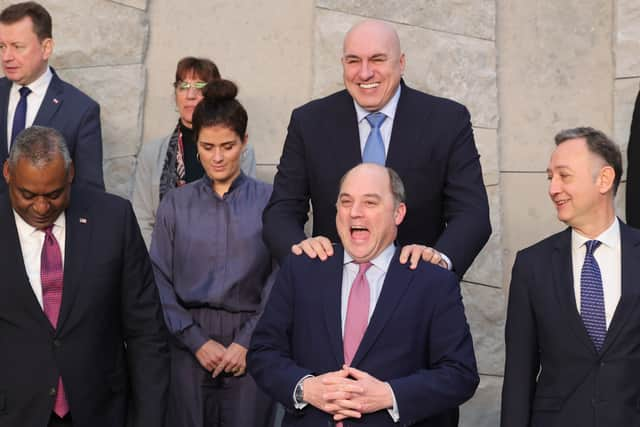
“There is a full-fledged war going on in Ukraine, in Europe, and then we see the persistent threat of terrorism, and we see also the challenges that China is forcing to our security. So, it is obvious that we need to spend more,” he said.
Nato allies in Europe and Canada increased defence spending for the eighth consecutive year in 2022, adding around 350 billion dollars (£291 billion) to their budgets.
According to Nato’s most recent estimates, 10 countries are close to or above the 2% guideline.
Thirteen spend around 1.5% or less.
Several member countries insist that the figure was only ever a guideline, and not a hard target.
“Instead of changing the 2%, I think we should move from regarding the 2% as a ceiling to toward the 2% of GDP as a floor and minimum,” Mr Stoltenberg said.
He added that this should not be “a long-term perspective or move towards”, but rather “an immediate commitment to spend 2% as a minimum”.
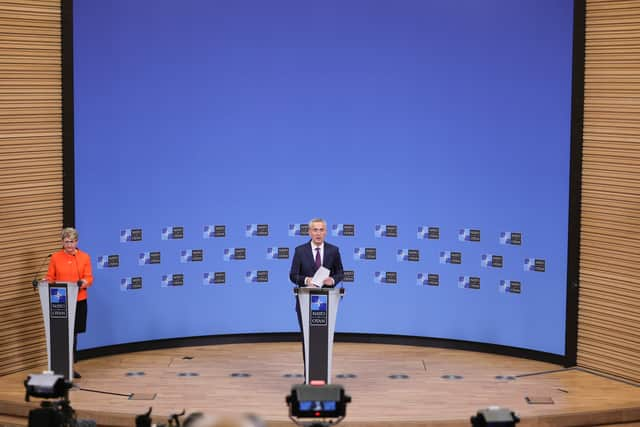
Some members have suggested that Nato should move towards a 2.5% guideline.
Others say that is unrealistic.
Many countries insist that it is the quality of the equipment and the amount of contributions that allies make to Nato operations that is most important.
GDP percentages are also a slippery metric.
When economies tanked during the Covid-19 pandemic, defence budgets looked bigger.
The economy of Turkey, traditionally one of Nato’s biggest defence spenders, has been ravaged by inflation and its military budget only stood at 1.22% of GDP last year, according to Nato’s estimate.
Nato leaders are expected to map out the way ahead when they meet for their next summit in the Lithuanian capital Vilnius in July.