
Neurodivergent 49-year-old to bear self-harm scars at world championships after powerlifting cured ‘chaos’ in her head
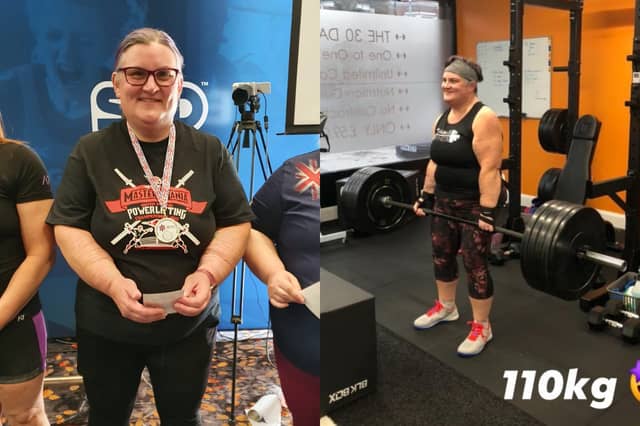

A neurodivergent woman who stopped working for more than a decade due to mental illness has become one of the UK’s most promising powerlifters in her 40s after discovering the sport helped calm the “chaos” in her head and has now secured a place at the World Bench Press Championships in the United States.
Hellen Frost, a 49-year-old part-time forensic science lecturer at Canterbury Christ Church University, stopped working in 2006 after suffering a mental breakdown while teaching in Peru, South America, which left her feeling “worthless” and struggling to perform every day tasks including cooking, cleaning and shopping.
In 2014, she was diagnosed with Dissociative Identity Disorder (DID), a mental health condition which causes someone to have several, distinct personalities, and four years later told she had autism.
Hellen, from Herne Bay, Kent, only felt comfortable leaving her semi-detached bungalow to visit a few familiar, safe places, and struggled with self-harm for years, which has left many visible scars on her arms.
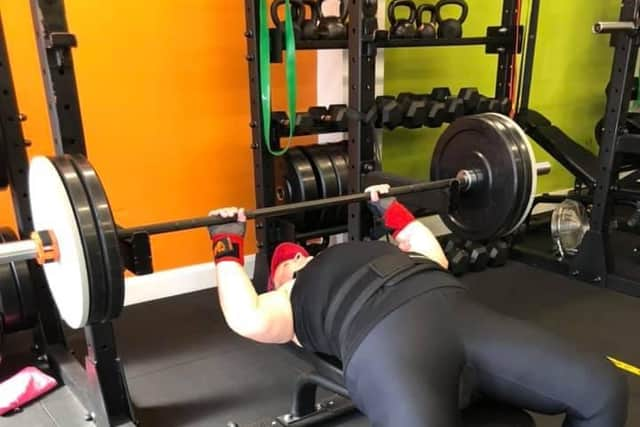
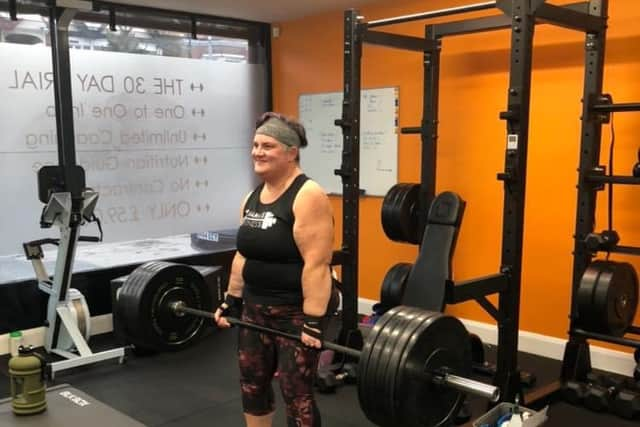
Within the space of three months, Hellen, who weighs 120 kilos, went from lifting three kilo dumbbells to hoisting 100 kilos into the air, and now, she can squat 140 kilos, deadlift 160 kilos and bench press 90 kilos (300, 350 and 200lbs).
After finishing second in the UK national Bench Press Championships earlier this year, lifting a weight of 87.5 kilos in the Masters II category, she has been offered a place at the World Bench Press Championships in Austin Texas at the end of May.
But contestants are required to cover their costs and sadly, Hellen, who started working part-time at Canterbury Christ Church in 2019, cannot cover the bill.
She has therefore launched a fundraiser on GoFundMe to help raise £2,000 which will pay for her flights, accommodation, anti-doping fees and team kit.
“You wear these singlets on the stage, and I have got so many scars on my arms which I used to keep covered all the time,” Hellen told PA Real Life.
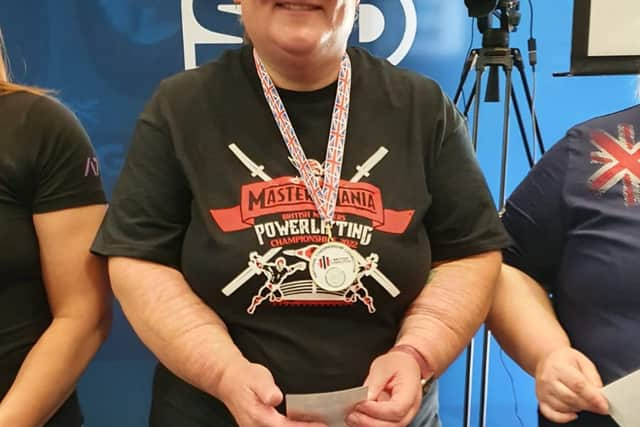
“I feel so proud for this opportunity, not only to represent my country, but all the other people like me who have struggled.
“It’s going to be a huge challenge for me to travel there, but to have the chance to stand there, as a disabled athlete for my country, just fills me with pride.
“I had never competed in anything sporty in my entire life, but I’ve found the lifting helps me feel calmer.
“It’s helped my confidence, it’s reduce my anxiety and calmed my chaotic head.
“Women in their 40s should never be afraid to try something new because it’s never too late to start and you could be amazed by the strength you have.”

Over the next few years, she became “very unwell” and began self-harming, which meant she was constantly in and out of hospital.
She struggled to perform daily tasks and only left her home to visit a handful of safe places, including the church and a few close friends’ houses.
“I could hardly leave the house because of my anxiety and I found it very difficult to manage and cope with general tasks,” she said.
Because of her mental health, Hellen was forced to stop teaching and believed she may never work again.
“I was a science teacher before I became unwell,” she said.
“I never thought, I would go back to work after being off with mental health problems for so long.”
Hellen was eventually diagnosed with Dissociative Identity Disorder (DID) in 2014 before receiving her autism diagnosis four years later.
To this day, she finds it very difficult to cope with loud noises, bright lights, intense heat and being in crowded places.
Her fears of not being able to work again may have come true had a friend not convinced Hellen to try James Fitness, a gym in Herne Bay, after the first lockdown, in September 2020.
“When I first arrived, I was so unfit, I couldn’t get off the floor without holding onto something,” she said.
“I started off with three kilo dumbbells, but within three months, I was deadlifting 100 kilos.
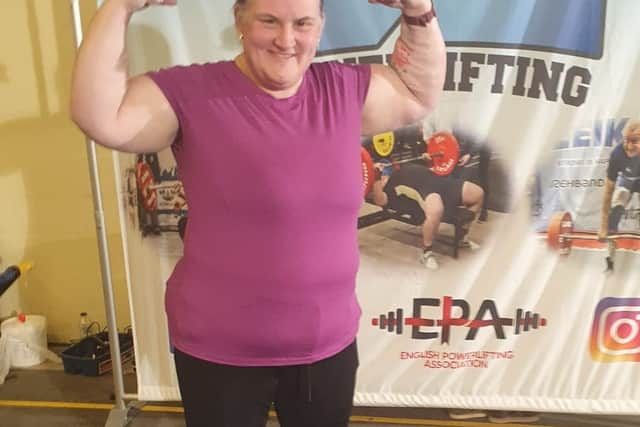
“It just seemed to click.”
Hellen heard that there was a South East regional powerlifting competition taking place in Dover and decided to put her strength to the test.
“I was like, let’s give it a go, at least I can say I’ve done it and if I hate it, then I never have to do it again,” she said.
“I went down there and absolutely loved it.”
One of the referees at the regional competition was powerlifter Mick Ellender who also happened to live in Herne Bay and agreed to start training Hellen professionally.
Powerlifting is a competitive sport, where contestants attempt three types of weight lift, including squat, deadlift and bench press.
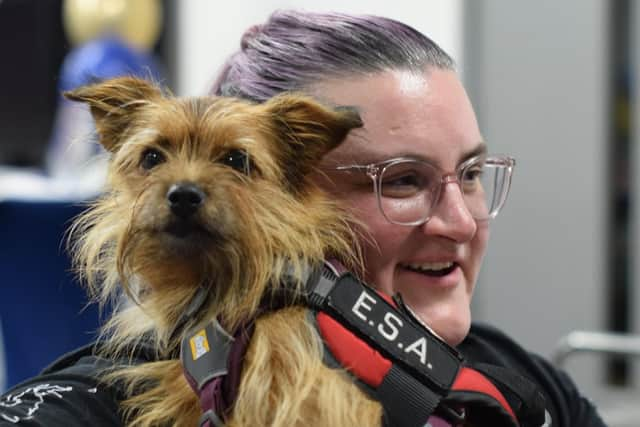
“In my first [regional] competition, I qualified for the nationals, so a couple of months later I went off to the 2022 British Masters in Belfast.”
But powerlifting has helped Hellen in many ways other than building physical strength.
“After I started lifting, I became a little bit more confident about myself,” she said.
“I was going to the gym in the mornings, and it just seemed to help clear my head – made it feel quieter and less chaotic.
“Then I was able to do more things during they day, because before I wouldn’t really do anything until the afternoon.
“And that’s what got me back to work part-time.”
Hellen now teaches students how to analyse evidence collected at crime scenes at Canterbury Christ Church University.

“They have quite loud, heavy metal style music at competitions and I had to be brave enough to ask them to turn down the music when I lifted,” she added.
The performance secured Hellen a spot at the World Bench Press Championships in Austin, Texas which are due to take place in May.
“I was absolutely gobsmacked when I found out last Monday, March 25,” said Hellen.
Unfortunately contestants are expected to cover their costs for flights, accommodation, anti-doping tests and team kit, which Hellen cannot afford after not working for so many years.
“It’s taken me well outside my comfort zone,” she said.
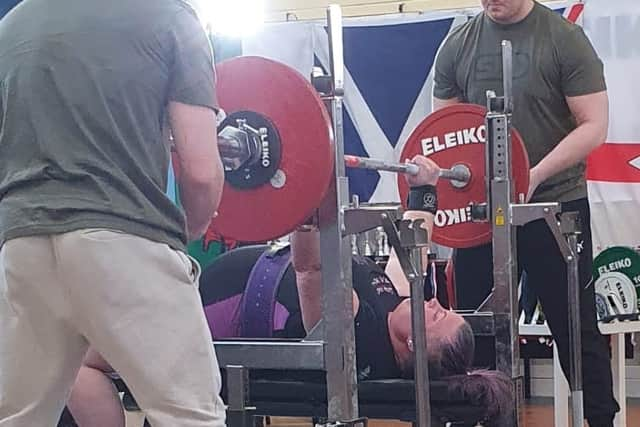
She will be competing in the Masters II category, for competitors aged between 50 and 59.
She hopes her story helps inspire other neurodivergent athletes with serious a mental health conditions to believe in themselves.
“Start small and try something, you’ll be amazed by the difference it can make,” she added.
“Even if you have a disability, it doesn’t have to stop you.
“I’ve had so many years of thinking that I’m worthless and I don’t like myself, why would anyone else like me or want to help me,” said Hellen.
“Now I’m in this place where people do genuinely want to help, and I’m very grateful.”
To help Hellen get to Austin, visit: www.gofundme.com/f/hellen-represent-gb-at-the-world-bench-press