
Painted Roman walls and world’s first rail station put on heritage at risk list


Rare remains of Roman wall paintings and the world’s first railway station are among the sites added to a list of heritage at risk, an annual update shows.
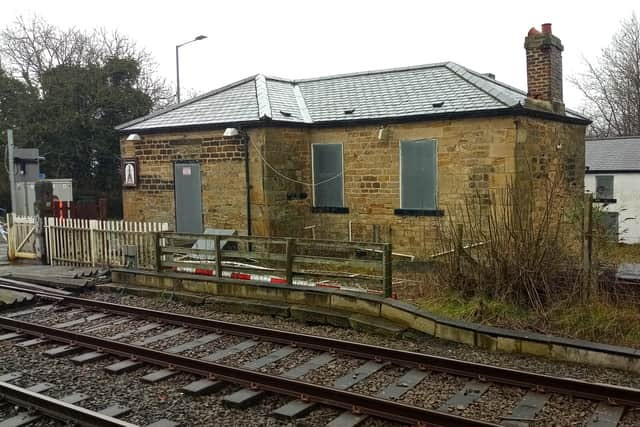
But there is better news for a market town’s historic centre, an early railway goods shed, a city cemetery and a 1930s lido, which are no longer considered at risk after work to conserve them.
Meanwhile 124 have been removed following efforts to conserve them and give them a new lease of life.
Among the sites added to the list are Tamworth Castle in Staffordshire, a Grade I listed motte-and-bailey fortification that needs extensive repair, and Hurst Castle, a Tudor fortress by the sea in Hampshire.
Waltham Windmill in Lincolnshire, one of England’s few working six-sail mills, is on the list now because it is at risk from climate change, especially high winds and heavy rain.
Kings Norton Old Grammar School, Birmingham, a half timbered building formerly used as a school from the 17th century and targeted by the Suffragettes, is subject to damp and rainwater, putting it on the list.
Victorian glasshouses at Somerleyton Hall, Suffolk, thought to be by Sir Joseph Paxton, the designer of the Crystal Palace, have been added to the list due to structural risks and decay.
Also added is the Roman Painted House in Dover, Kent, the remains of an early 3rd century building unearthed in the 1970s with large masonry walls, an underfloor heating system and areas of intact painted wall panels in red, green and yellow.
It has been added to the list because the protective building covering the archaeological remains is “no longer fit for purpose”, leaving the wall paintings vulnerable, Historic England said.
The register aims to highlight heritage at risk of neglect, decay or inappropriate development across England, with 4,891 entries on the register in 2024, and support work to protect and conserve them.
The 18th century Sherborne House in Newland, Dorset, has been transformed into an arts venue, and one of London’s “magnificent seven” cemeteries, Abney Park, has been restored into an urban woodland park.
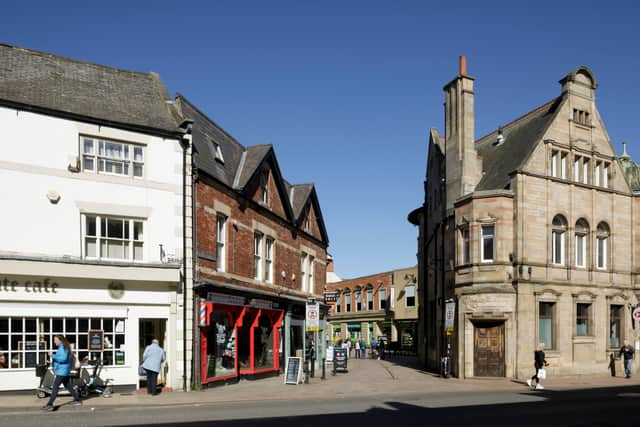
Hexham’s conservation area covering the medieval streets that formed its centre of trade, which was beset by vacancies and a rundown appearance, has been taken off the at-risk list following a regeneration scheme.
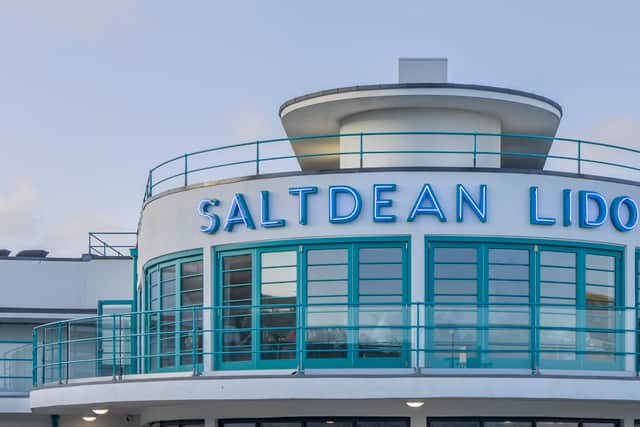
And the 1930s Saltdean Lido in East Sussex, inspired by contemporary ocean liner and aircraft design, has been restored and is now home to a cafe, restaurant, gym, public library, work and exercise spaces as well as the swimming pool.
Heritage minister Sir Chris Bryant said: “The UK has an abundance of heritage sites across the country that attract tourists and provide jobs in local communities.
“Many of these are in desperate need of support.

Duncan Wilson, chief executive of Historic England, said: “This year, we have seen partners and communities come together to help save the historic buildings and places that need it the most.
“It’s inspirational to see how we can harness the power of our heritage to benefit local people.”