
Patients left in corridors after beds run out at Beijing hospital as Covid hits
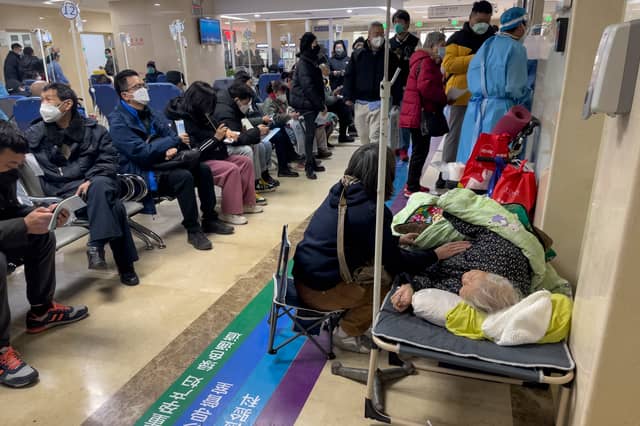

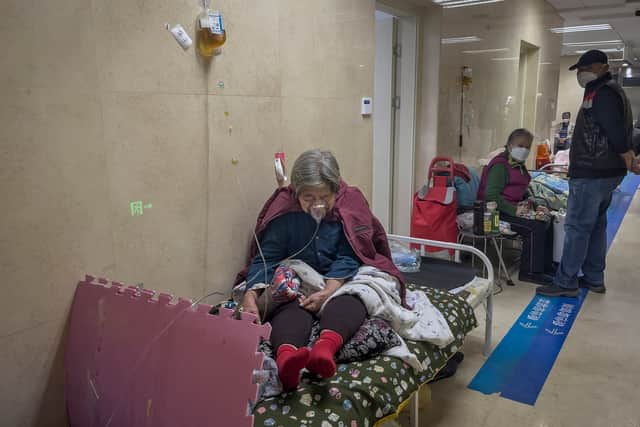
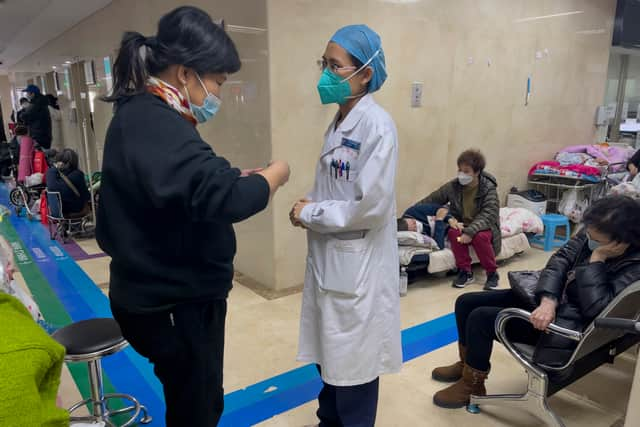
Patients are being left in corridors with oxygen and wheelchairs as Covid surges in China’s capital.
The Chuiyangliu hospital in Beijing was packed with newly arrived patients on Thursday – with beds running out by mid-morning as ambulances continued to turn up with those in need.
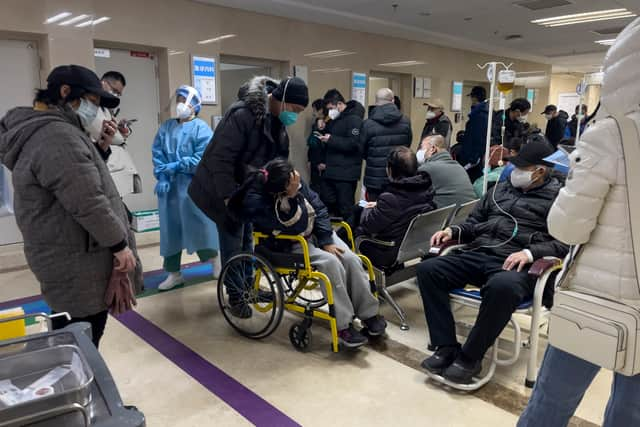
The surge in severely ill people needing hospital care follows China abandonment of its most severe pandemic restrictions last month after nearly three years of lockdowns, travels bans and school closures which weighed heavily on the economy and prompted street protests not seen since the late 1980s.
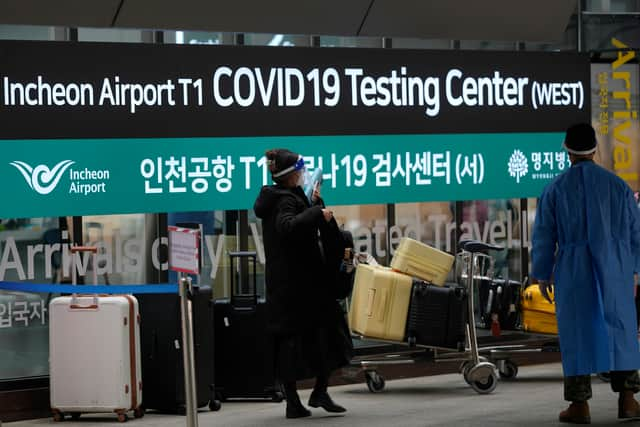
It also comes as the the European Union (EU) on Wednesday “strongly encouraged” its member states to impose pre-departure Covid-19 testing of passengers from China.
Italy — where the pandemic first exacted a heavy toll in Europe in early 2020 — was the first EU member to require coronavirus tests for airline passengers coming from China, but France and Spain quickly followed with their own measures.
That followed the imposition by the US of a requirement that all passengers from China show a negative test result obtained in the previous 48 hours before departure.

Still, World Health Organisation head Tedros Adhanom Ghebreyesus said on Wednesday he is concerned about the lack of outbreak data from the Chinese government.
China has sought to get more of its elderly population vaccinated, but those efforts have been hampered by past scandals involving fake medications and previous warnings about adverse reactions to the vaccines among older people.
China’s domestically developed vaccines are also considered less effective than the jabs used elsewhere.
Meanwhile, Hong Kong will start to reopen its border with mainland China on Sunday, allowing tens of thousands of people to cross from each side each day without quarantine, the city’s leader said.
The reopening is expected to provide a much-needed boost to Hong Kong’s economy.
From Sunday, China will also gradually increase the number of flights between Hong Kong and the mainland and scrap the limit on passenger numbers for flights from the city, the Chinese government said in a statement.
“When travellers enter the mainland, they will no longer need to undergo quarantine,” Chief Executive John Lee said at a press conference.
During the first phase of the reopening, four border checkpoints closed for nearly three years will resume operations, bringing the number of checkpoints up and running in the city to seven, Mr Lee said. Currently, all but three checkpoints in Hong Kong are shut.
The Hong Kong government will decide when to expand the scale of border reopening after reviewing the situation with mainland authorities, Mr Lee added.
Travellers will have to obtain a negative Covid-19 test result within 48 hours before departure and register online to secure a quota slot.
Hong Kong is a semi-autonomous Chinese territory bordering the Guangdong province in south-east China.
People must pass through immigration to cross between the two.
The border restrictions imposed since 2020 have hammered the city’s economy, especially the tourism sector.
Also starting from Sunday, the mainland will no longer require inbound travellers to quarantine, marking a major step toward fully reopening travel with the rest of the world.
Mainland Chinese residents will be allowed to visit Hong Kong for sightseeing purposes in a gradual and orderly manner, depending on the city’s capacity and pandemic situation, the Chinese government added.