
Pilot with terminal brain cancer thanks RAF for ‘life-saving’ support despite fears over carcinogenic helicopter fumes


A decorated helicopter pilot with terminal brain cancer has praised the RAF’s “potentially life-saving” support despite the possibility fumes from his aircraft may have caused his diagnosis.
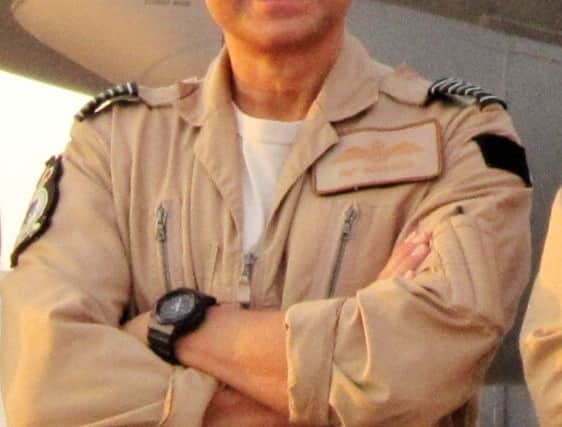
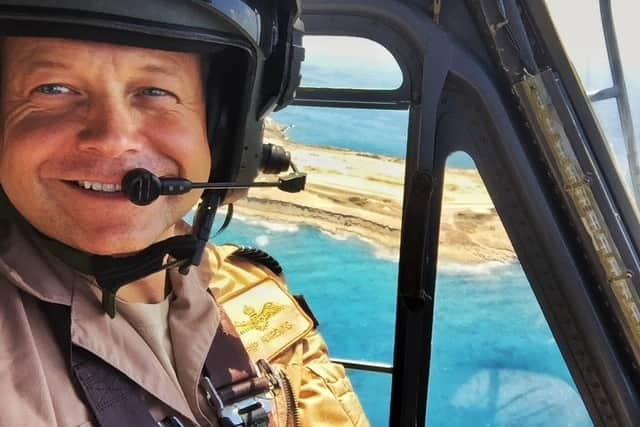
Philip “Pip” Harding, a 53-year-old who served in Iraq, Afghanistan and Northern Ireland, received a shock diagnosis of stage four brain cancer in March 2024.
The treatment involves 36 sessions costing £1,000 each and has largely been funded by Pip’s family and RAF colleagues, who were able to raise the whole £36,000 in just two weeks.
Earlier this year, an investigation was launched by the Ministry of Defence (MoD) into members of the military receiving cancer diagnoses, after claims some helicopters had exposed crews to toxic fumes – with some former personnel taking legal action.
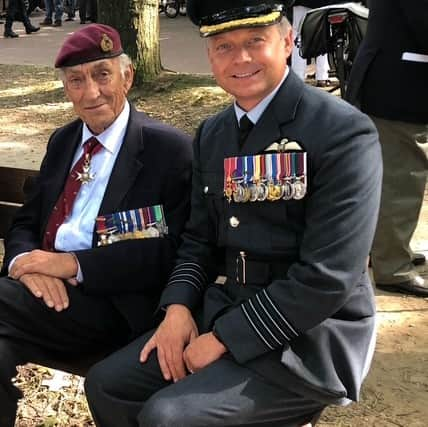
“Although I’m not taking action right now, it is something that down the line might come up,” he told PA Real Life.
“I don’t know that it’s come from helicopters. I just know that there might be a chance it has.
“I’m not standing here throwing out threats – the Air Force have been genuinely amazing in how they treated me.
“They’ve been so supportive and, with that support, potentially saved my life.
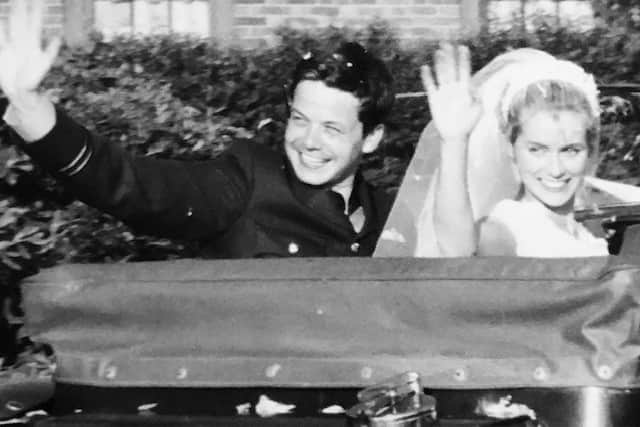
Having been “born into the Air Force” to RAF parents, Pip earned his pilot’s licence at age 17, before he even learned to drive.
After university, where he met his wife Claire, he joined the RAF and was sent to train as a support helicopter pilot – rising through the ranks to group captain and becoming an OBE after tours in Northern Ireland, Iraq and Afghanistan.

In November 2023, whilst working with US forces in Hawaii, Pip “had a bit of an incident” where he became “unconscious and unable to talk” after receiving a Covid vaccination.
“We thought it must have been a minor reaction to the jab,” he said.

In March 2024, an American major sat him down and broke the news.
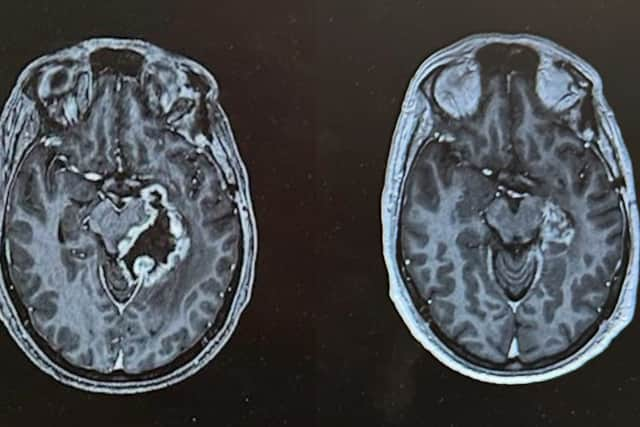
“I had this tumour growing on the side of my brain, which probably meant – depending on treatment – that I had anywhere between six and 12 months to live,” Pip said.
“My initial reaction was very quiet.
Pip was told his only option was “a full-scale operation where they pull down the side of your face and pull away a bit of your skull to attack the tumour”.
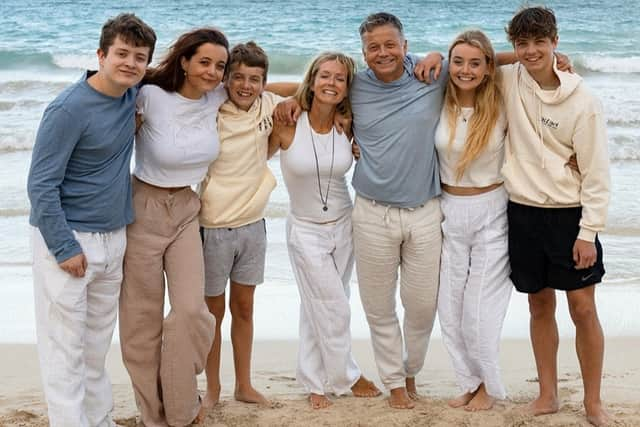
Over Easter last year, he had a “lovely three-week holiday” with his wife and his five children – Ellie, 25, Johnny, 23, Bobbie, 20, Harry, 18, and William, 15 – where they “talked about it and came to terms with it”.
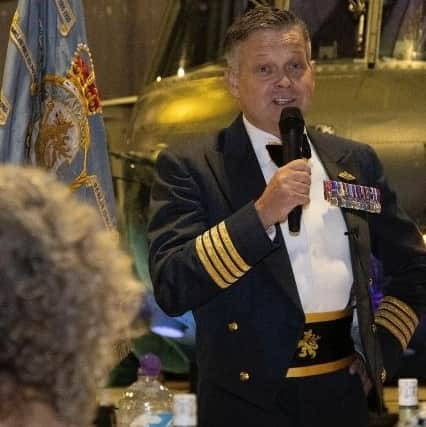
He decided to return to the UK in September 2024. Not long after, a small group of friends organised a dinner for him.
“It was remarkable. Word spread, and literally 400 people turned up to a hangar party dinner,” he said.
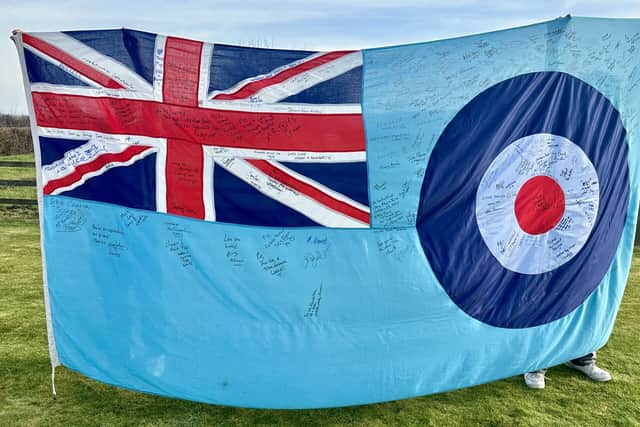
“There was a huge light bulb ‘PIP’ on top of the bar. There was an RAF band playing. There was a huge RAF flag, which everyone signed.
A month later, Pip’s doctor informed him of a new treatment called oncothermia.
According to the cancer charity Yes to Life, oncothermia involves targeting cancer cells “by passing both focused and controlled heat, and an electric field, through cancer tissue.”
Pip said: “It’s basically heating the brain tumour in your head, but it’s done very cleverly.
“It goes through the outer skin to the tumour and raises the temperature to about 45 degrees Celsius, and basically just destroys the tumour.”
Pip was scheduled for 36 hour-long treatments alongside chemotherapy.
Unfortunately, the cutting-edge treatment is not covered by the NHS and costs £1,000 per session.
Pip agreed to cover the amount himself, but his family, friends and RAF colleagues refused to hear it.
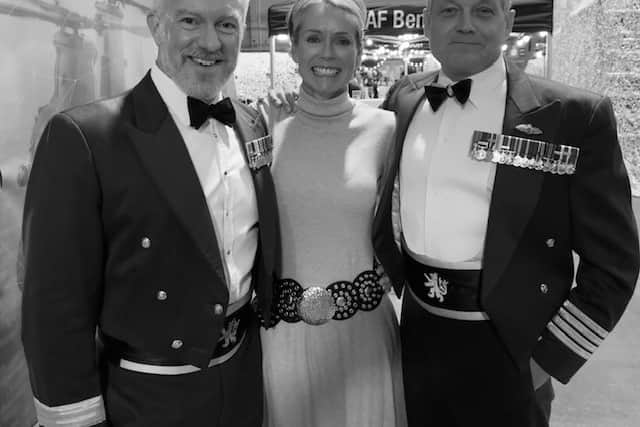
Pip said he is now half-way through his treatment plan, and praised the “incredible” support he has received through a GoFundMe set up by friends.
“I’m fighting on, and I’m really happy to still be serving,” said Pip, who remains an RAF Group Captain.
“I’ve got stories to tell, and hopefully cadets to talk to, and I’ll continue until I’m genuinely not required anymore.”
Pip’s fundraising page can be found at: gofundme.com/f/support-pips-fight-against-cancer.