
Private sector culture led to lavish spending at water body, says watchdog


A “private sector culture” led to lavish spending on meals and travel at Scotland’s water regulator, the Auditor General has said.
The Water Industry Commission for Scotland (Wics) was thrown into chaos at the end of 2023 when a report from the watchdog exposed payouts including a £400 meal, £100 gift cards given to staff as Christmas presents and a near-£80,000 Harvard course for a senior executive.
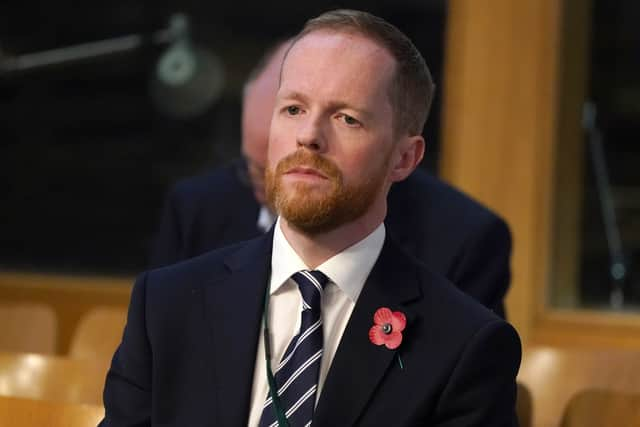
Spending on lavish meals and entertaining of clients, the watchdog said, had come as a result of the body becoming a “quasi-consultancy”.
For years Wics would work with governments and other bodies across the world on water regulation, including in New Zealand and Greece.
“That resulted in a quasi-consultancy, private sector culture becoming embedded within Wics,” Mr Boyle said.
“You see it in entertaining, expensive meals, alcohol, gifts for hospitality, business class flights.
“All of these are symptomatic of what you might see in a private sector consultancy organisation.”
He added that while Wics was “doing well” in its role and generating “seven-figure surpluses” it was doing so while breaking spending rules.
“It didn’t either create a separate organisational structure with which to deliver consultancy activity, it was doing this all within a Scottish public body and losing sight of its need to comply with the normal processes,” Mr Boyle said.
“The Scottish Public Finance Manual still applied to Wics, but yet we saw many examples of where it wasn’t doing that successfully.”
Following the initial revelations about the body, former chief executive Alan Sutherland was forced to step down, receiving an £86,268 payment in lieu of his six months’ notice.
The move was deemed to be the most cost effective, due to a contractual obligation to provide 12 months’ notice if he was to be sacked.
In total, according to the Auditor General, £105,488 was spent to get rid of Mr Sutherland, including the payment in lieu of notice, legal costs and national insurance contributions.
However, a contract drawn up for Mr Sutherland in February 2007 would have reduced the notice period for dismissal to three months, but the contract was never signed for an unknown reason.
Mr Boyle told the committee the disparity between the financial implications of firing the former chief executive and him resigning was “staggering”.