
Queen patron of Abbey building work which will allow public to enter like royals
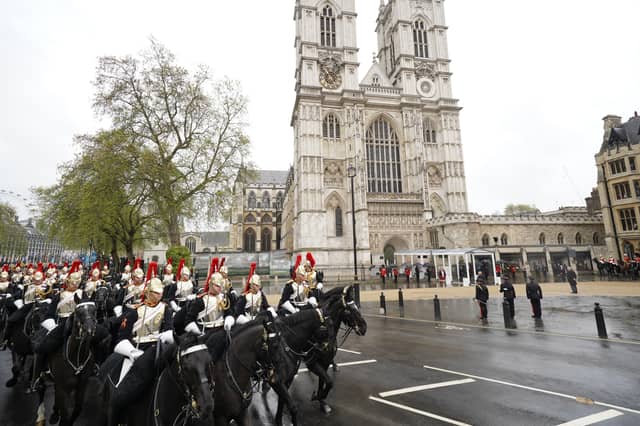

The Queen has become patron of a new building project at Westminster Abbey, which will be named after the King and allow visitors to enter the gothic coronation church just like royalty for the first time.
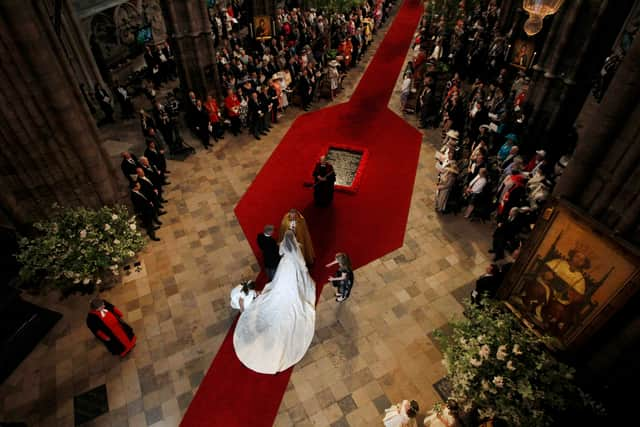
The King Charles III Sacristy – a £13 million entrance lobby on the north side – will transform the welcome for members of the public, enabling them to make their way into the abbey through the Great West Door in the footsteps of Kings, Queens and royal brides.
Westminster Abbey has served as the coronation church for nearly 1,000 years and is the final resting place of 17 monarchs, and the venue for many royal weddings and funerals, including those of Queen Elizabeth II.
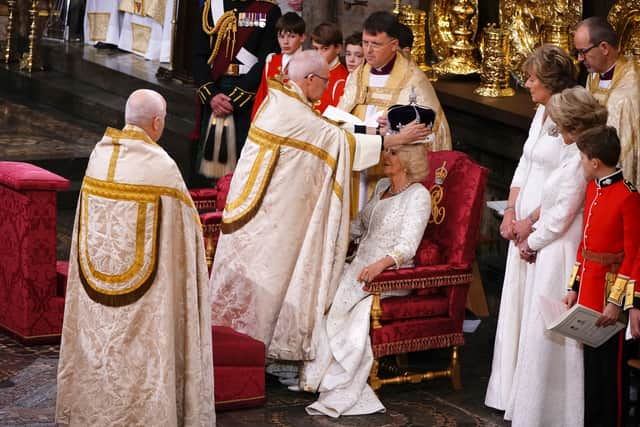
Queen Camilla, who has given her backing to the initiative as its patron, was crowned in the abbey in May last year alongside the King.
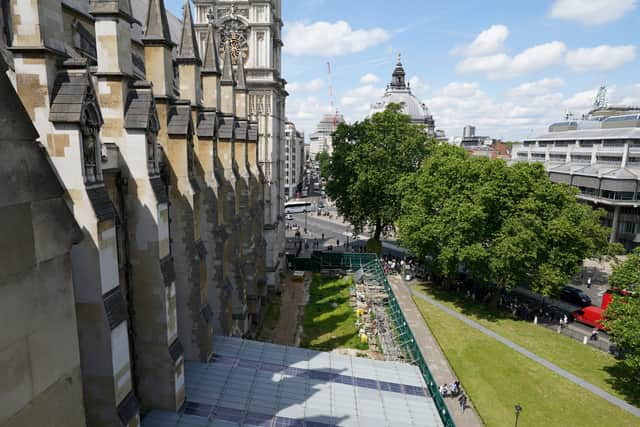
The sacristy will be designed in sympathy with the abbey’s gothic architecture by the church’s surveyor of fabric Ptolemy Dean, who was also responsible for its Diamond Jubilee Galleries tower.
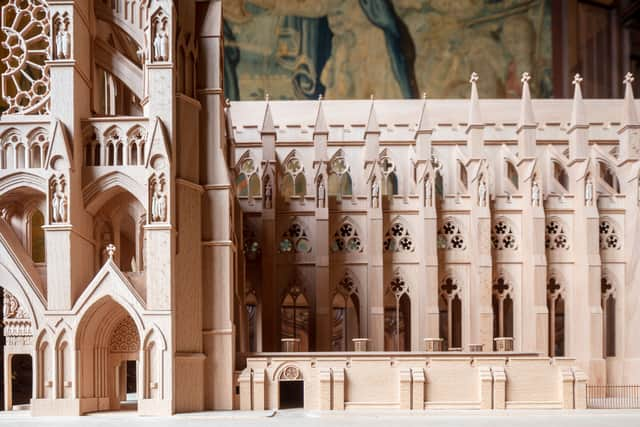
The single-storey, L-shaped design complements the historic style, incorporating plain walling, castellation and a series of buttresses, and using English stone, oak and lead.
Speaking in 1984 about the proposed National Gallery extension, he famously stated: “What is proposed is like a monstrous carbuncle on the face of a much-loved and elegant friend.”
The new lobby will be built adjoining the nave on the footprint of Henry III’s medieval Great Sacristy.
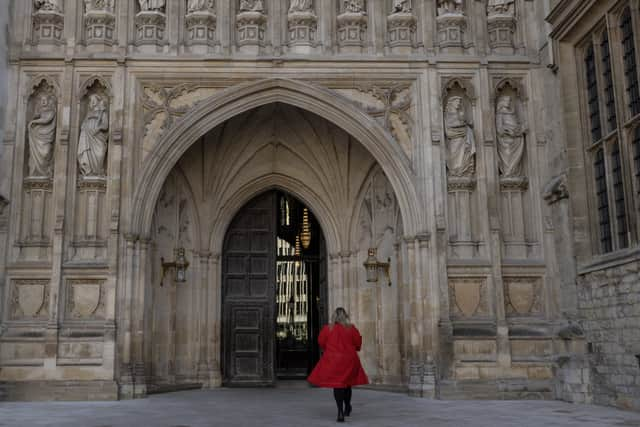
The Very Rev Dr Hoyle said: “This splendid building, which is both new and old, will transform the welcome our visitors receive and, more importantly, change the way they see Westminster Abbey.
“The full drama of this shrine and house of memory is best appreciated by approaching it from the Great West Doors.
“It is a building fit for a King and for an abbey whose faith and ministry is both old and new.”
There will also be enhancements made to the landscaping at the Great West Door, including permanent step-free entry to improve access.
It was where the monks kept vestments, altar linens, and other sacred items used in the mass.
Plans for the updated visitor entrance were first revealed in 2019 but put on hold during the pandemic.