
Queen’s funeral venue is where she was married and crowned
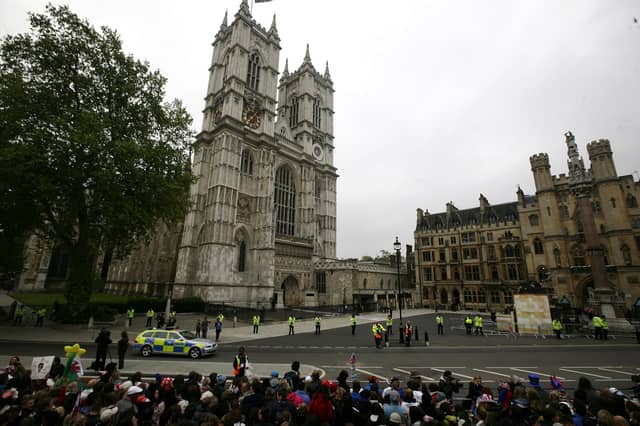

The Queen was married and crowned at Westminster Abbey.
Now the bells of the “House of Kings” – half muffled in mourning – will ring out at her funeral.
It will be the first time in over 260 years a sovereign’s funeral has taken place in the Abbey.
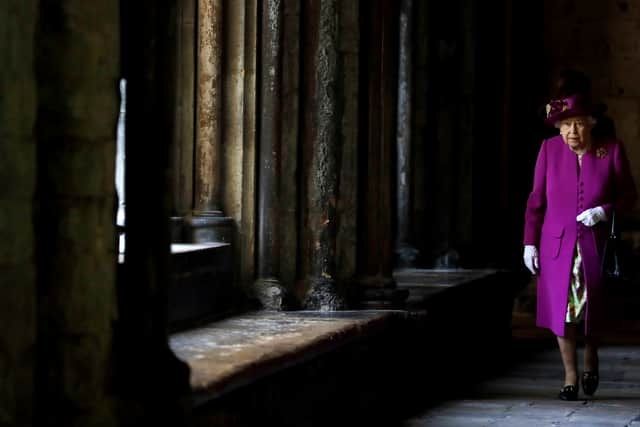
For the Queen, the Abbey was where her most defining milestones took place, both in terms of her personal happiness and her public duty.
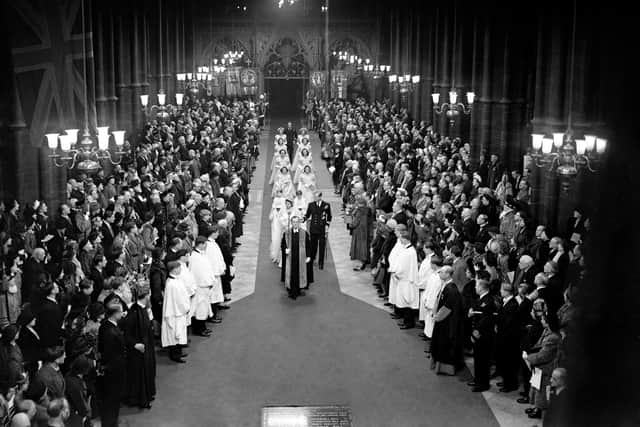
Princess Elizabeth was 21 when, on Thursday November 20 1947, she married her prince in the surrounds of the central London church.
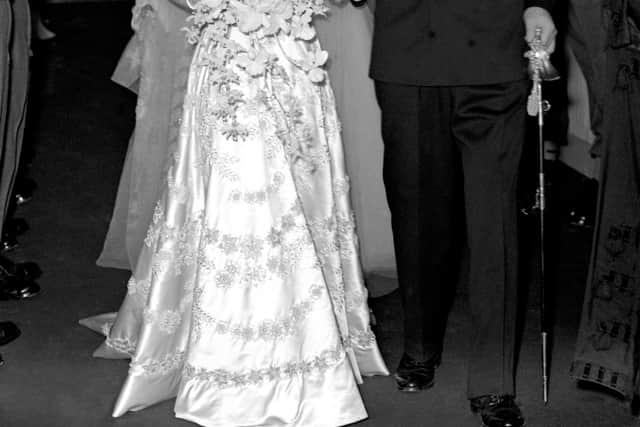
More than 2,000 guests gathered inside, waiting for the royal bride, whose Norman Hartnell wedding dress was hand-embroidered with more than 10,000 pearls and crystals.
Just five years after she married, the princess became Queen Elizabeth II on the death of her father, George VI.
During the service, the Queen took the oath and was anointed, with the St Edward’s Crown placed on her head.
An estimated 27 million people in Britain watched the ceremony on TV after the Queen agreed it could be televised.

She saw her daughter, Princess Anne, marry Captain Mark Phillips in the church in 1973, and her second son, the Duke of York, wed Sarah Ferguson in 1986.
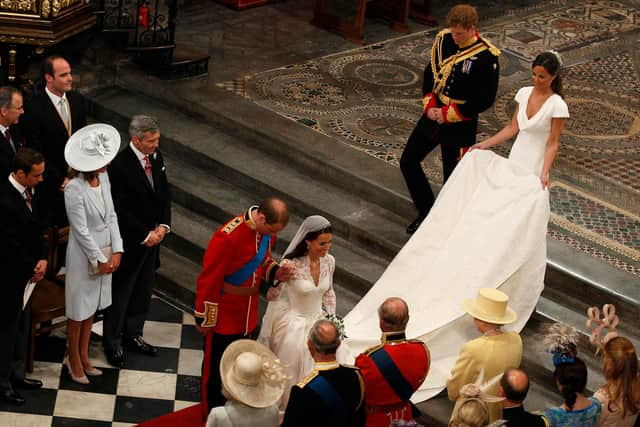
In 2011, her grandson, the Duke of Cambridge, now the Prince of Wales, exchanged vows with Kate Middleton as millions watched across the globe.
The church was also a reminder of the loss of her mother, Queen Elizabeth the Queen Mother, and former daughter-in-law, Diana, Princess of Wales.
The Queen Mother’s funeral was held at the Abbey in 2002, five years after Diana’s.
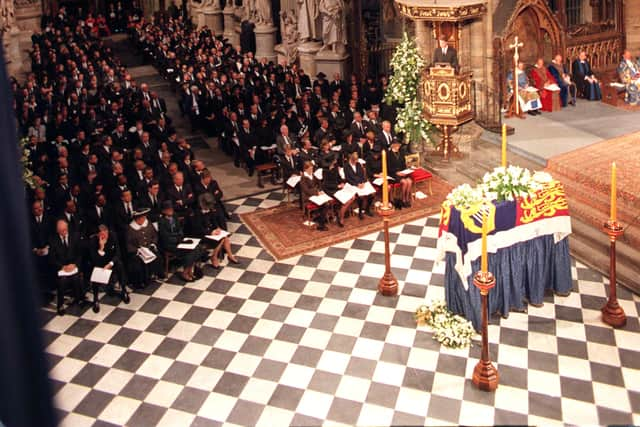
The Queen’s was the 38th.
It is also the final resting place of 17 monarchs, including Charles II and Elizabeth I.
The present church, started by Henry III in 1245, is one of the most important Gothic buildings in the country, with the medieval shrine of Anglo-Saxon saint Edward the Confessor still at its heart.
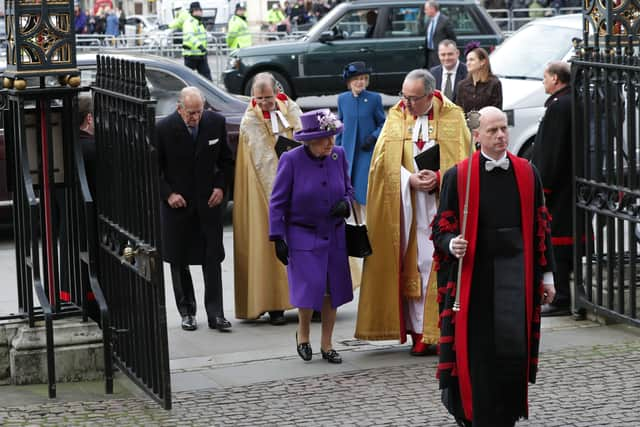
Elizabeth II maintained a close connection with the Abbey, which is a Royal Peculiar and subject only to the sovereign and not any archbishop or bishop.