
Ramadan: How to stay happy and healthy if you’re fasting
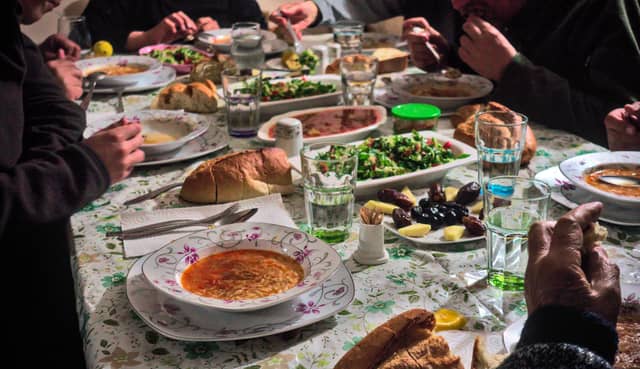

This year, Ramadan is expected to begin from April 2 and last up until May 1, based on the ever-changing lunar calendar. This time of reflection, devotion and purification is observed by over 1.5 billion Muslims the world over. As one of the five pillars of Islam, Ramadan is one of the most vital periods in the religious calendar.
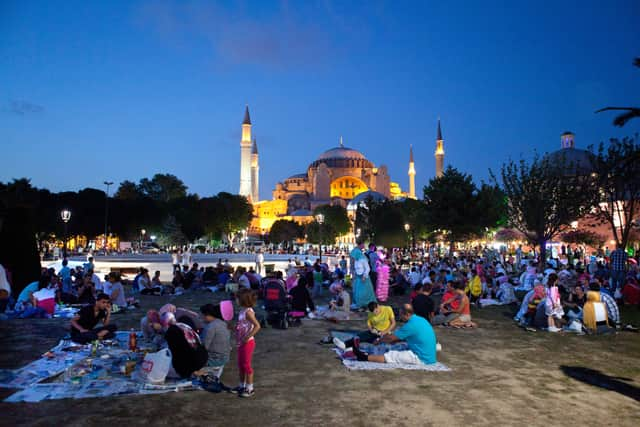
However, not eating between sunrise and sunset, when a family will break their fast with iftar (the evening meal) is difficult mentally and physically, particularly as the lighter nights mean the fasting period will be two hours longer by the end of Ramadan, than it was at the beginning.
Cut the caffeine
Dr Nighat Arif, resident GP on BBC Breakfast and medical advisor for community fitness app, Her Spirit, suggests caffeine is not the way to go when you break your fast for suhoor (meal consumed before dawn) or iftar. Aside from worries about a post-caffeine slump, there are real concerns about hydration.
Dr Arif shares that consuming caffeine and energy drinks “should be avoided, because they may actually make you urinate more throughout the day – many people find this is a common problem”.
Focus on the quality and nutrition of the food you eat
When you can only eat and drink in two parts of the day, it is important the food you eat will sustain you, and that you drink enough water in those periods. Dr Arif suggests choosing “complex, slow-release carbohydrates, protein and fresh fruit and vegetables”.
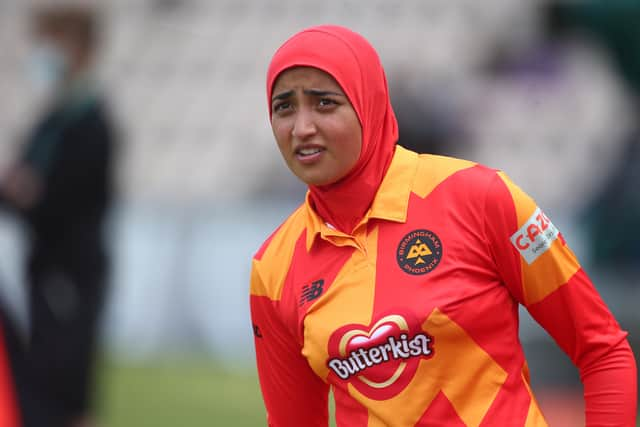
“I always break my fast with a date, which gives a good burst of energy after a long day. We also prepare fruit salad for every iftar. I struggle to eat a lot of food straight away, so I try to eat little portions at set intervals, to prevent feeling too bloated. ”
Exercise to maintain not to excel
You should still aim to exercise during Ramadan, like Maqsood, but with a focus on low-intensity workouts, that are mindful of your physical and emotional wellbeing.

She suggests exercising just before iftar or between iftar and suhoor, so you can eat and drink after you exercise and replenish and rehydrate your body.
As a professional athlete, Maqsood tries “to do strength and conditioning sessions after I break my fast [after iftar] so I feel more energised and am able to have water during my sessions. I’m lucky enough to have a treadmill in the house, which helps me with late night running sessions”.
Distract yourself

Maqsood tries to stay busy during the day with things like reading the Koran, doing university work, playing cricket and meeting friends. Dr Arif, meanwhile, finds solace in prayer, meditation, time alone and television shows.
Everyone’s body will react differently and it can take a big mental toll, so find something that brings you comfort and relaxation.
Know when to say ‘no’ and take a step back

Dr Arif likes to remind herself when she begins to feel irritable, or is finding a conversation difficult during Ramadan, that: “At the moment, I am fasting and I am not at the best capacity to deal with this conversation.”
By taking a step back and reflecting, you will be in a far better position to deal with your emotions and the situation. Be patient with yourself and let those around you know you may need patience from them too.