
Refugees ‘struggling’ to move out of state accommodation due to housing crisis

More refugees are struggling to leave state-provided accommodation in Ireland in recent years due to barriers including a shortage of housing, a report has found.
The research by the ESRI, published on Monday, found that a large number of refugees who have been granted international protection struggle to move out of state accommodation due to barriers including a shortage of social and affordable housing.
Almost 6,000 people with international protection status who could in principle move on to other housing were living in government-provided or “Ipas” accommodation as of January 2024.
This is around 22% of the total residents, an increase since 2020 when around 14% of those in Ipas accommodation had this status.
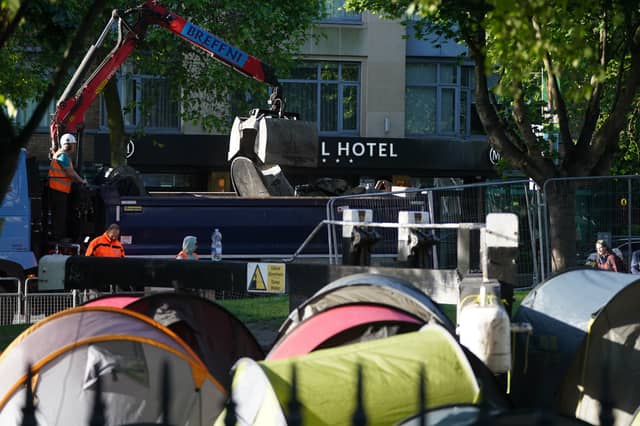
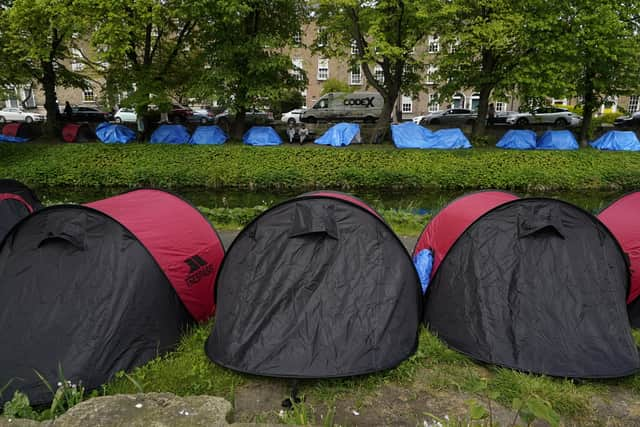
The large number of refugees in government-provided accommodation has implications for the capacity to accommodate new applicants, as over 1,800 are now awaiting an offer of accommodation, forcing some to camp on Dublin’s streets.
The ESRI research also found that around 2,000 people were able to move out of Ipas accommodation in 2023, but that there was no mechanism to track the welfare of this group of people.
Several stakeholders who were interviewed as part of the study said that, in their experience, some may end up in vulnerable situations.
The report refers to “recognised” refugees as people who have arrived in Ireland, applied for asylum and received a positive decision on their application.
The study, which is co-funded by the EU and Ireland’s Department of Justice, identified good practices such as the introduction of permanent integration teams in every local authority, funded by the Department of Integration.