
Royal funeral customs and mishaps: a loyal dog, spooked horse and broken crown
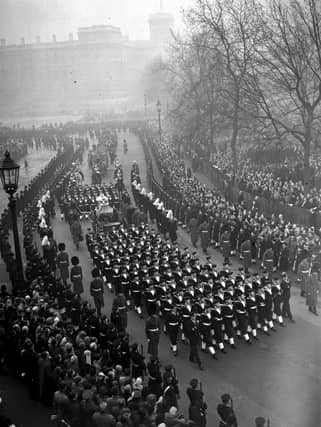

The Queen’s funeral will be incomparable in scale and grandeur as the nation gathers to say its solemn final farewell to its longest reigning monarch.
Through the centuries, customs and rituals have been upheld and honoured, and occasionally modernised, at the funerals of British kings and queens.
Here are some of traditions, and some of the more unusual incidents and mishaps, which have shaped the end of historic royal eras.
– Breaking of the White Staff
The Lord Chamberlain, the most senior official of the Royal Household, carries a white staff as one of the symbols of his office.
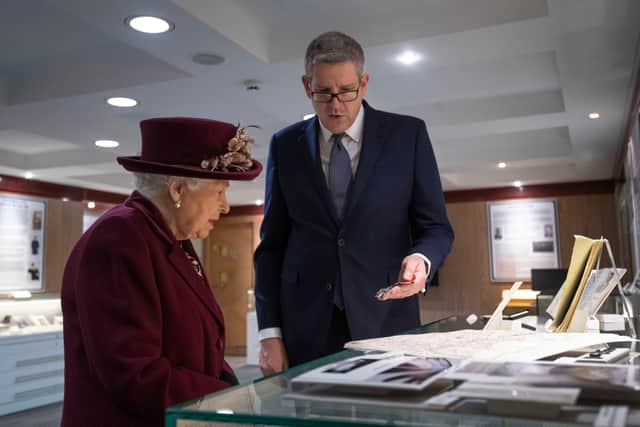
The current Lord Chamberlain is former MI5 spy chief Baron Parker of Minsmere.
The last time this tradition was executed was in 1952, when the then-Lord Chamberlain, the Earl of Clarendon, did so over George VI’s grave.
– Dogs
King Edward VII carefully planned his own funeral before he died in 1910 and his military procession featured a unique element.
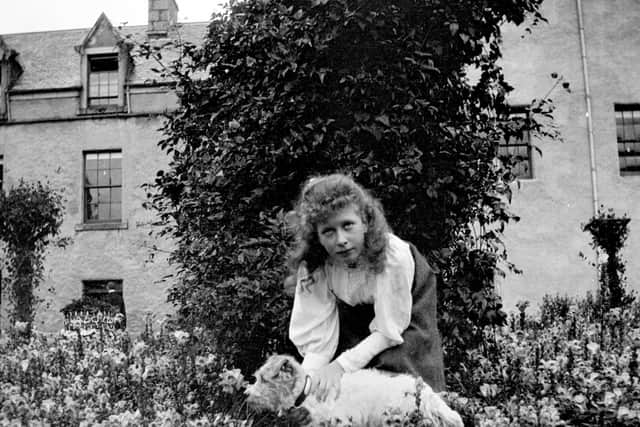
Caesar, nicknamed Stinky by courtiers, was inconsolable when the King died and the dog roamed the corridors looking for his master.
On the day of the funeral, he achieved widespread fame for trotting behind the King’s coffin alongside a Highland soldier and behind the King’s symbolically riderless horse, his favourite charger.

The little dog’s relationship with the King is acknowledged on Edward VII’s tomb in St George’s Chapel Windsor, where Caesar is immortalised in stone, curled up at his master’s feet.
– Fallen crown
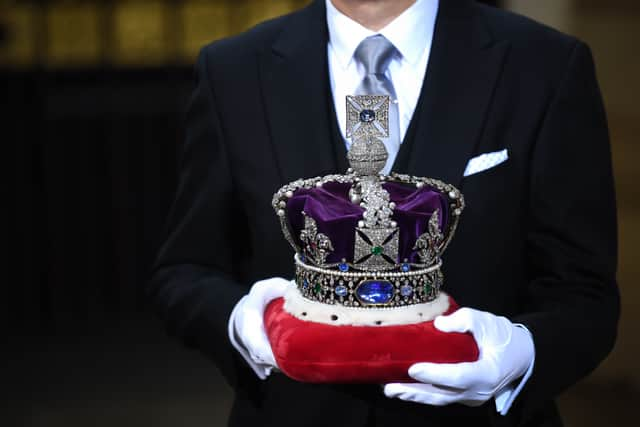
The new King, Edward VIII, took it as a bad omen. He abdicated within a year.
– Women
Before Queen Victoria’s reign, etiquette dictated that aristocratic women should not attend funerals at all.
But since Victoria herself had started going to funerals it was, for the first time, considered proper for women to mourn at her state burial in 1901.
– Ropes
Non-commissioned sailors, naval ratings, traditionally pull the gun carriage bearing a sovereign’s coffin through the streets using ropes.

Hit by a ricocheting leather strap, one of the horses panicked and plunged.
The naval guard of honour stepped in and dragged the gun carriage to the castle, with the image considered so striking it has been used at every British monarch’s funeral since.
– Night funerals
The funerals of Queen Victoria’s predecessors were held at night, but hers took place in the day – a custom that has been followed ever since.
– White funeral
The Windsors wear black in mourning at royal funerals.
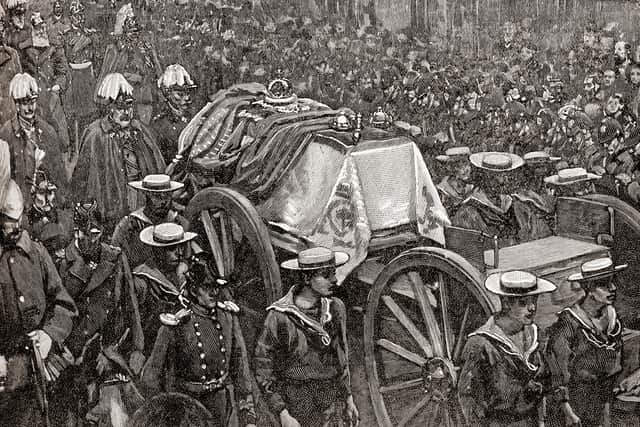
But, for her own funeral, Victoria left instructions that her military ceremony should be white instead of black.
Her coffin was covered with a white and golden pall on its journey from the Isle of Wight, and, in London, black fabric hangings were banished from the streets in favour of purple cashmere with white satin bows.
– Vigil of the Princes
In 1936, King George V’s sons – Edward VIII, the Duke of York (later George VI), Henry, Duke of Gloucester, and George, Duke of Kent – carried out the first Vigil of the Princes tribute.
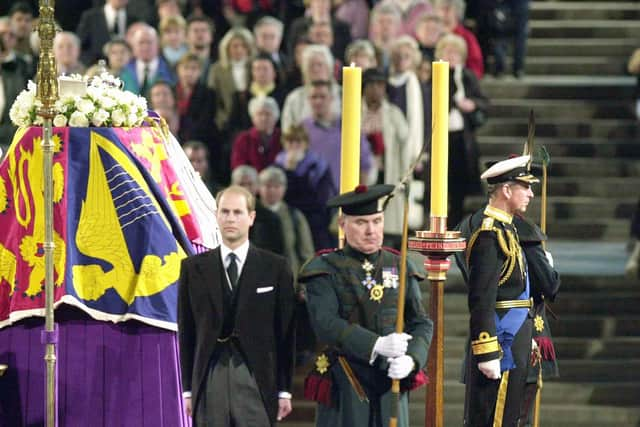
The Queen’s children have already held a short vigil around her coffin in St Giles’ Cathedral in Edinburgh, with the Princess Royal becoming the first royal woman to do so.
The Queen Mother’s four grandsons – the Prince of Wales, the Duke of York, the Earl of Wessex and Viscount Linley, now the Earl of Snowdon – stood guard over her coffin during her lying in state in 2002 as people continued to walk through Westminster Hall.
– Merry congregations
At the funeral of the unpopular and gluttonous George IV in 1830, Windsor was described as filled with “more the characters of a masquerade, than spectators hastening to a funeral”.

The funeral was itself chaotic.
The new King, William IV, delighted to have the top job, chatted loudly throughout the service, as did most of the congregation.
He was heard discussing “the most frivolous things” about his dead predecessor and left before the service was over.