
Runner who thought he would ‘surely’ die after double brain tumour news completes fastest marathon five surgeries later
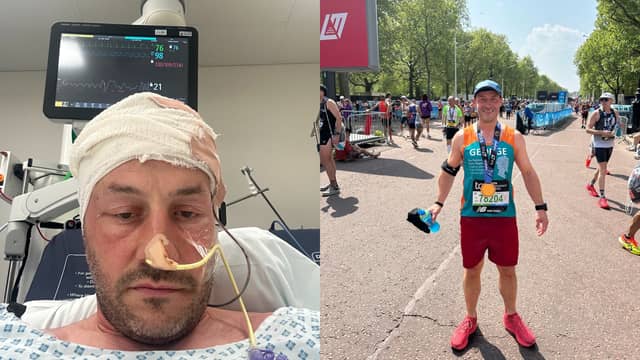

A 41-year-old runner worried he would die after he was diagnosed with two brain tumours staged a remarkable recovery to run his fastest marathon after undergoing five surgeries.
George Wade, from Thirsk in North Yorkshire, initially dismissed his light sensitivity in March 2024 as a migraine, until a month later he experienced stroke-like symptoms and a weakness sensation down his left side.
A runner who has completed 20 marathons, George’s symptoms were out of the ordinary and soon he was diagnosed with two astrocytoma tumours.
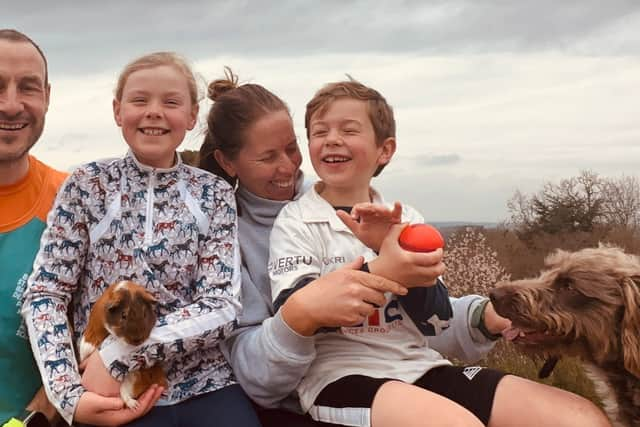
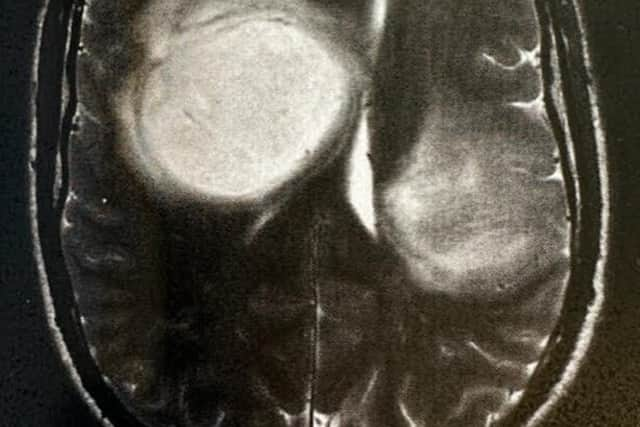
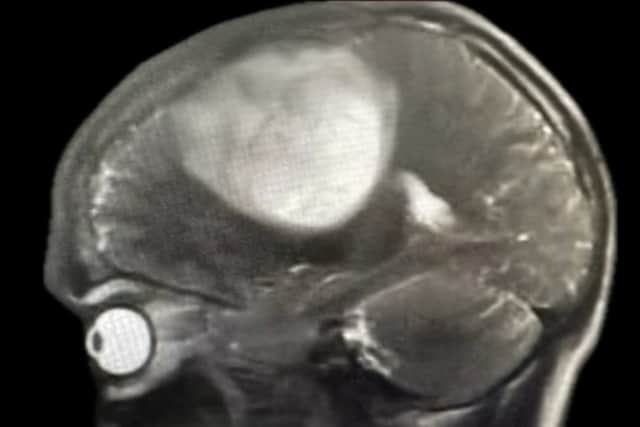
He had a grade four astrocytoma tumour the size of a tennis ball on the right side of his brain, and another golf ball-sized growth in the middle of his brain.
Doctors believe the tumours had been growing in George’s brain for up to 20 years, and as soon as he heard his diagnosis he thought he was “done” and would “surely die”.
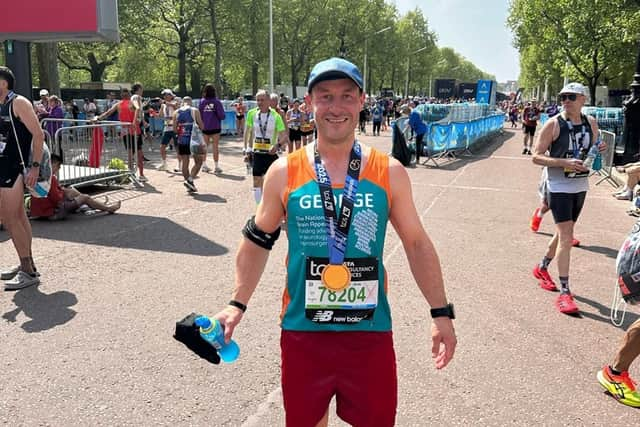
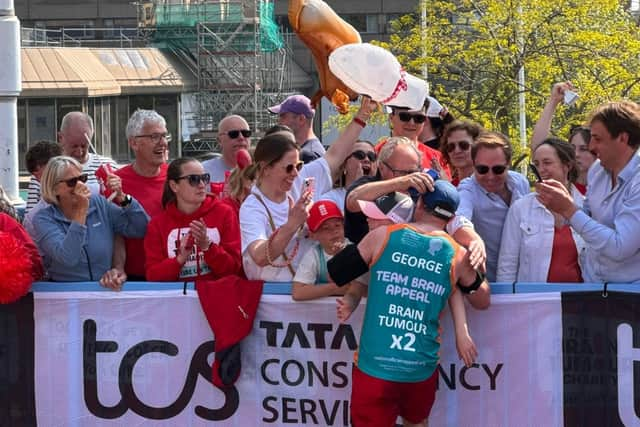
Five surgeries later, however, the last of which was in February, George ran the London Marathon on April 27 and finished with his fastest time of three hours and 16 minutes.
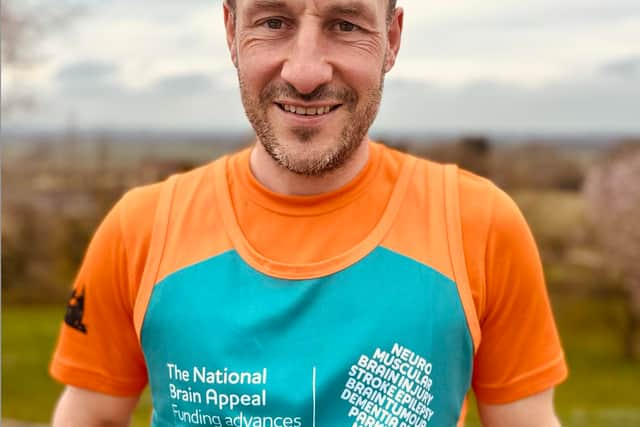
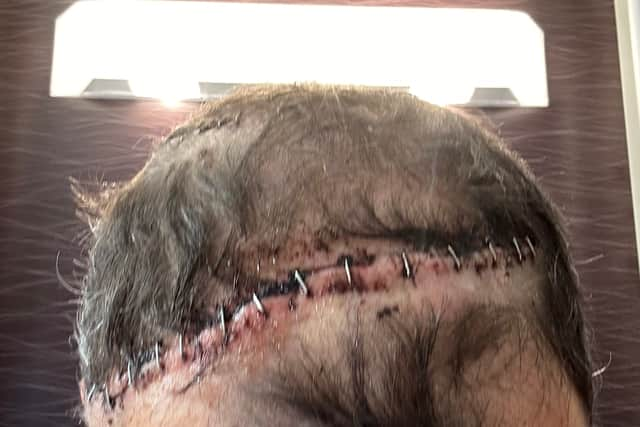
George is currently being treated for a recurring skin infection caused by his surgery and has scans every three months to monitor his tumours for signs of growth. Doctors said his condition is “life-limiting”, but George has not been given a specific amount of time to live.
“I just thought, I’m done … if you’ve got two brain tumours, surely you just die,” George told PA Real Life.
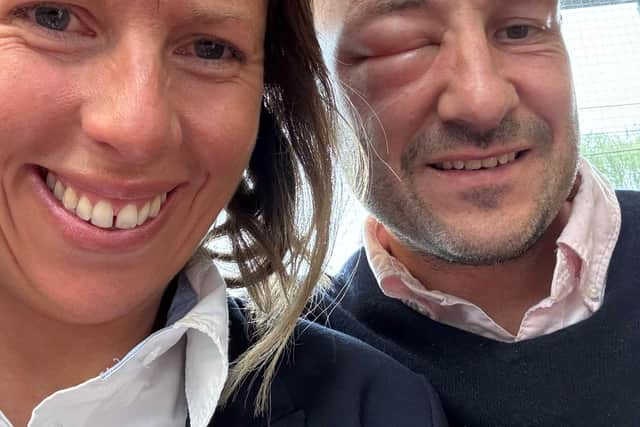
George has always had a healthy lifestyle and was training for the Blackpool Marathon in March 2024 when he first started experiencing irregular symptoms.
He noticed a headache when driving to his family home in Staffordshire from Cheltenham to visit his mother who was in hospital with an infection, finding looking at car headlights made him feel sick.
“I just thought it was like a huge hangover from Cheltenham and knackering myself out, and maybe was worried about my mother,” he said, adding that he did not seek medical attention.
He phoned his brother-in-law, who is also George’s GP, who reassured him about the episode and arranged for him to have blood and eye tests – which came back clear.
George was then booked in for a precautionary MRI scan on April 18, three days before he was due to run the Blackpool Marathon.
Ten minutes later the medical team came into the room to put dye into George’s body and he said: “I thought, that’s a bit strange – my brother-in-law didn’t mention that might happen.
“As soon as they pulled me out at the end, the whole body language of the nurses seemed different.”
He was told a consultant would see him, and during the five-minute wait he began accepting the idea of being diagnosed with a brain tumour.
“Weirdly in my head, one would have been OK, but two … I just thought, I’m done. You know, if you’ve got two brain tumours, surely you just die,” he said.
Doctors told George he might have had the tumours for up to 20 years and his symptoms were caused when his brain “eventually just ran out of space”.
He had a biopsy on April 29 2024 on his larger tumour, which was classified as a grade four astrocytoma.
Leading up to the biopsy George was prescribed steroids to aid his recovery, but they caused him to experience mania and paranoia when he was in hospital, resulting in him being held on a psychiatric ward for four days.
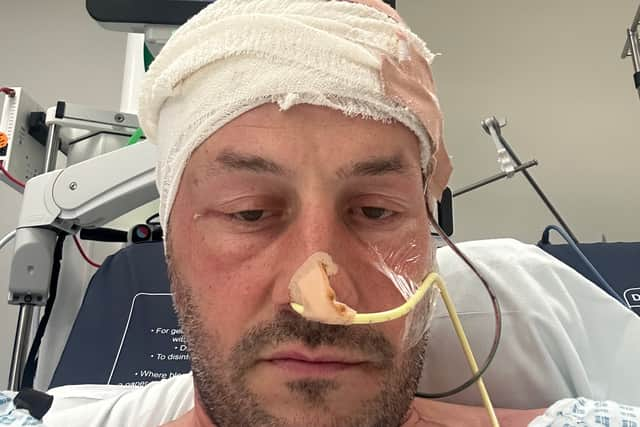
George had an eight-hour surgery, known as a “de-bulking”, to remove his larger tumour on June 8, but once the initial procedure was complete, he was quickly rushed back into surgery for two more hours as he had a bleed on the brain.
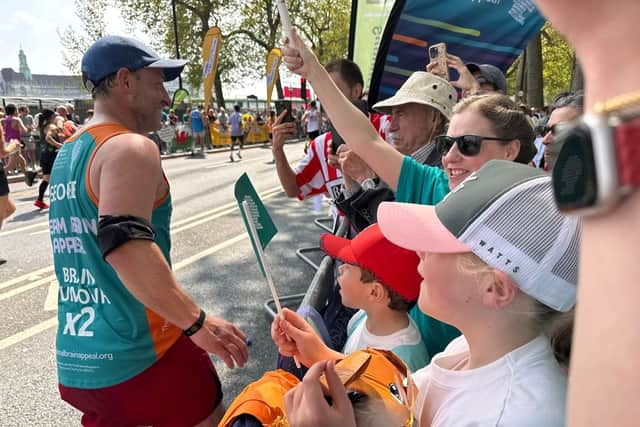
Re-learning to walk on his own made George feel like running a marathon was a “million miles away,” but he was able to walk within two days and run within a month.
In July George started chemotherapy, taking temozolomide pills once a month for six months.
Although George is still being treated for the recurring skin infection, he said: “I feel incredibly fit and healthy.
“There’s no way I would have gotten through this without the support of my family, friends and particularly my wife Eleanor.”
Claire Wood Hill, chief executive of The National Brain Appeal charity, said the money George has raised by running the London Marathon “will go towards finding new ways to diagnose, treat and ultimately cure a range of neurological conditions”.
To find out more, visit George’s JustGiving page at: www.justgiving.com/page/george-wade.